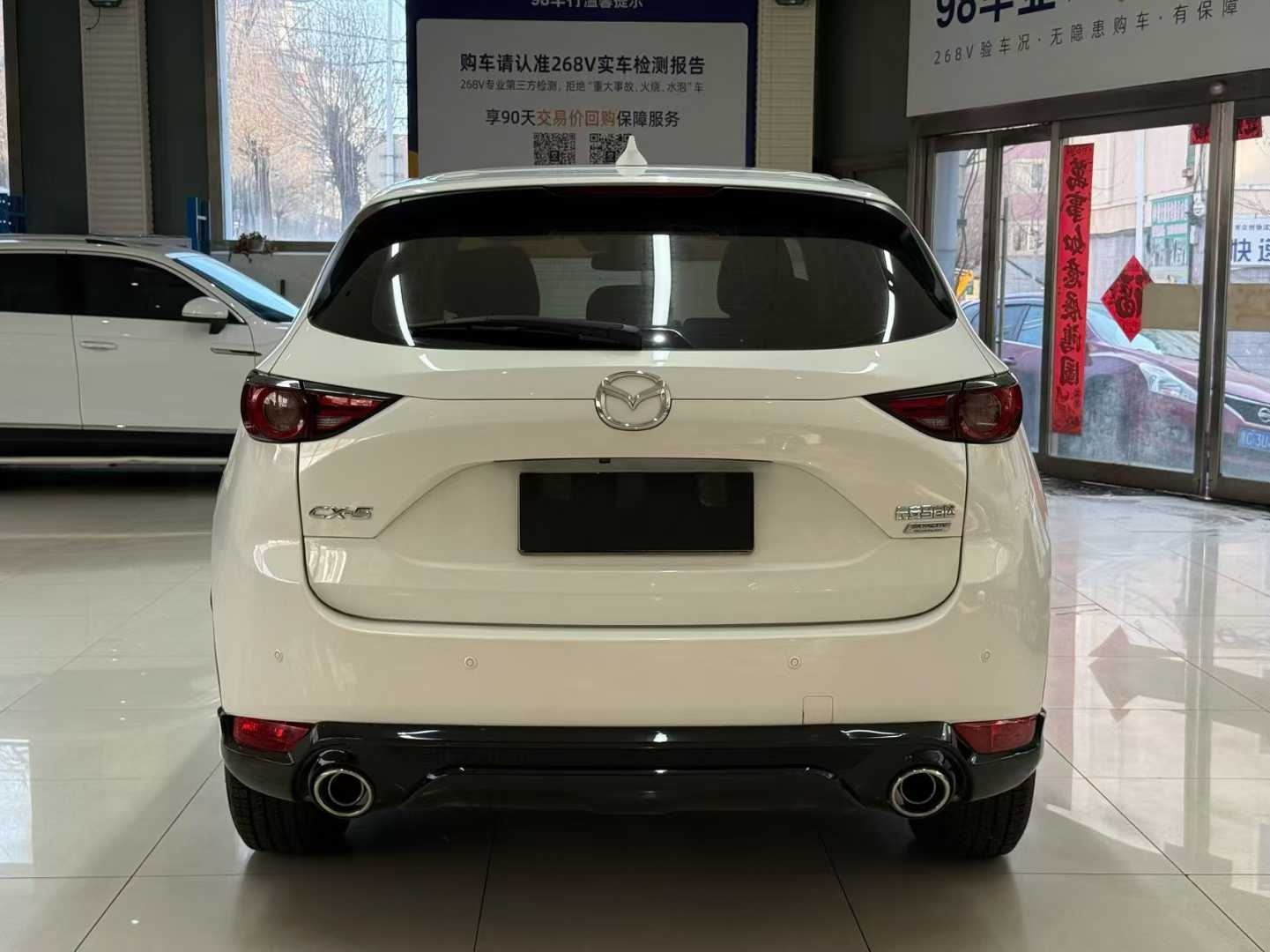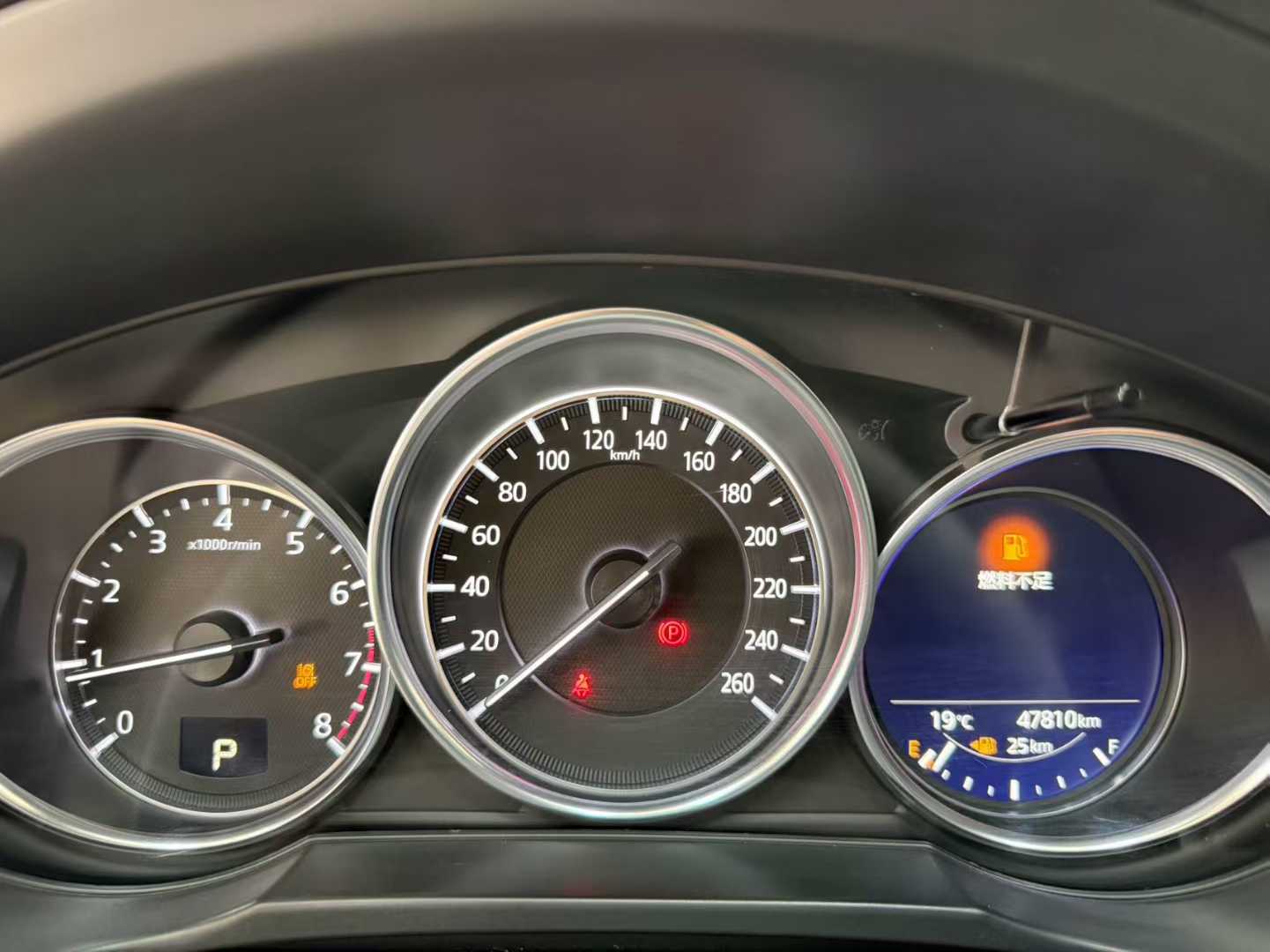

Establish a baseline
After confirming the exact specification, review engine oil, filters, coolant, brake fluid, transmission service history, spark plugs where applicable, belts, battery and tyres. Replace only according to condition and correct service information. Before accepting a repair estimate, confirm VIN-specific parts compatibility, including installation and any coding or calibration. For a recently shipped vehicle, the first service after import starts with delivery evidence before separating overdue maintenance from storage-related checks.
Use the correct specification
Oil viscosity and standards vary with engine and climate. Automatic transmission, transfer case and differential fluids are not interchangeable. Use the VIN-linked manual or qualified Mazda service information.
Budget for age, not just mileage
Low mileage does not prevent rubber aging, battery degradation, stale fluids or corrosion. Vehicles used mainly for short trips can also require closer scrutiny than the odometer suggests. Reconcile the schedule with the CX-5 mileage and service-history guide before valuing a claimed maintenance record.
Quick answer
Maintenance planning should begin with the VIN-linked schedule and a baseline condition review. Costs vary too widely by country to publish one credible figure, but the buyer can identify routine fluids, filters, plugs, brakes, tyres, battery and age-related work before purchase.
Build a vehicle-specific service baseline
Identify engine, drivetrain and applicable schedule first. Mazda intervals vary by market and use; dust, short trips, idling, heat, cold and mountain driving can justify closer attention. A generic service claim should not override the matching manual.
When records are incomplete, inspect oil, coolant, brake fluid, plugs, filters and drivetrain fluids using the correct specifications. Mazda documentation distinguishes turbo and non-turbo plug schedules in relevant markets.
Separate routine service from deferred repair. Tyres, brakes, battery, suspension and air-conditioning work belong in the purchase budget, making a maintained higher-priced car comparable with a cheaper car needing immediate work.
Forecast the first twelve months
Start with overdue scheduled work, then add wear measured during inspection. Price tyres as a complete compatible set where needed, brake work by remaining thickness and condition, battery by test result, and suspension by confirmed play or leakage. Keep optional cosmetic correction outside the mechanical baseline.
Use the correct fluid specification and the schedule matching engine and operating conditions. Severe-use criteria can include dust, extensive idling, short journeys, extreme temperature or mountain driving. The forecast is most useful as a range with named tasks, not an unsupported annual average.
Decision table
What to verify before choosing
- 01Obtain the manual and schedule that match the engine and market instead of using a generic workshop list.
- 02Check receipts and condition before replacing parts purely from an odometer number.
- 03Budget a baseline service when history is incomplete, using correct fluids and competent labour.
- 04Treat tyres and brakes as safety items and compare remaining life, age and quality—not only visual tread.
A practical action plan
Immediately verify
Obtain the manual and schedule that match the engine and market instead of using a generic workshop list.
Engine-specific
Check receipts and condition before replacing parts purely from an odometer number.
Drivetrain-specific
Budget a baseline service when history is incomplete, using correct fluids and competent labour.
Usage adjustment
Treat tyres and brakes as safety items and compare remaining life, age and quality—not only visual tread.
Which buyer profile fits?
Scenario 1
A simple naturally aspirated FWD vehicle may minimize specialist drivetrain work.
Scenario 2
AWD buyers should allow for four compatible tyres and additional fluid/leak checks.
Scenario 3
Turbo or diesel variants require destination support for their specific maintenance and diagnostic needs.
How to compare shortlisted vehicles
| Decision area | Target | Weight |
|---|---|---|
| Immediately verify | Oil history, coolant, brake fluid, filters, tyres and battery | Mandatory match |
| Engine-specific | Correct oil standard, plugs and any turbo/diesel requirements | High priority |
| Drivetrain-specific | Transmission, transfer case and rear differential where applicable | Cost and risk |
| Usage adjustment | Dust, short trips, idling, heat, cold, mountains and humidity | Final confirmation |
Mistakes that create avoidable cost
- Using the wrong oil or coolant specification.
- Assuming “lifetime fluid” means no condition check.
- Counting low mileage as complete maintenance history.
- Buying cheap tyres that compromise braking and AWD operation.
Frequently asked questions
How often should a CX-5 be serviced?
Intervals vary by market, engine and operating conditions; use the matching manual and maintenance monitor.
What does Mazda specify for coolant?
Many applicable manuals specify FL-22-type coolant; confirm the exact vehicle manual.
When are spark plugs replaced?
Official intervals vary by engine; Mazda documentation commonly distinguishes turbo and non-turbo schedules.
Should I service the car before shipping?
Address safety or leakage issues before shipment, while coordinating routine work with the destination plan.
Reference sources
Official information is used to understand the model family. The individual VIN, documents and inspection remain authoritative for a vehicle offered for sale.
Verify the exact vehicle
Specifications vary by year and market. Match the VIN, vehicle documents, inspection findings and manufacturer service information before purchase.