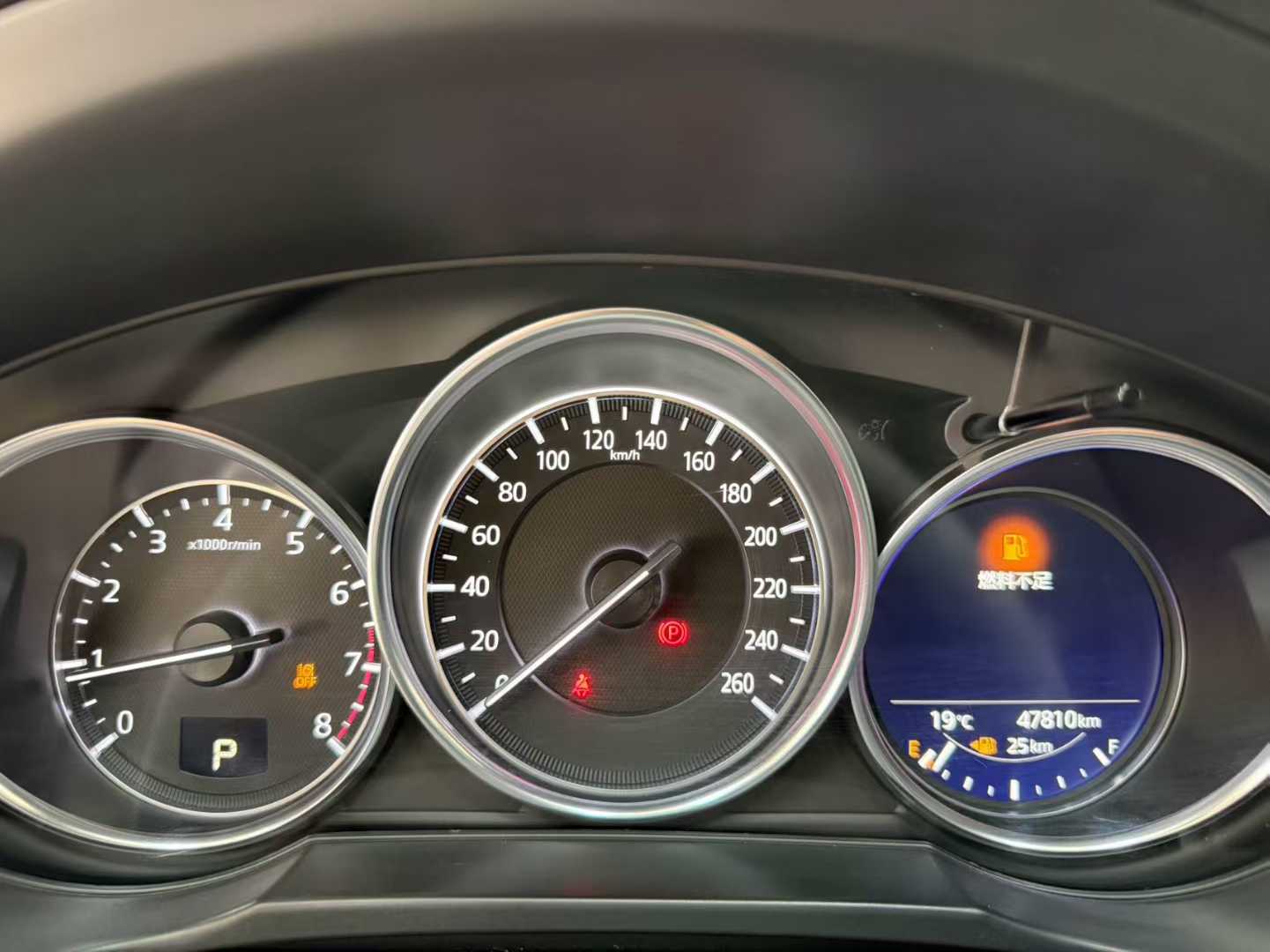
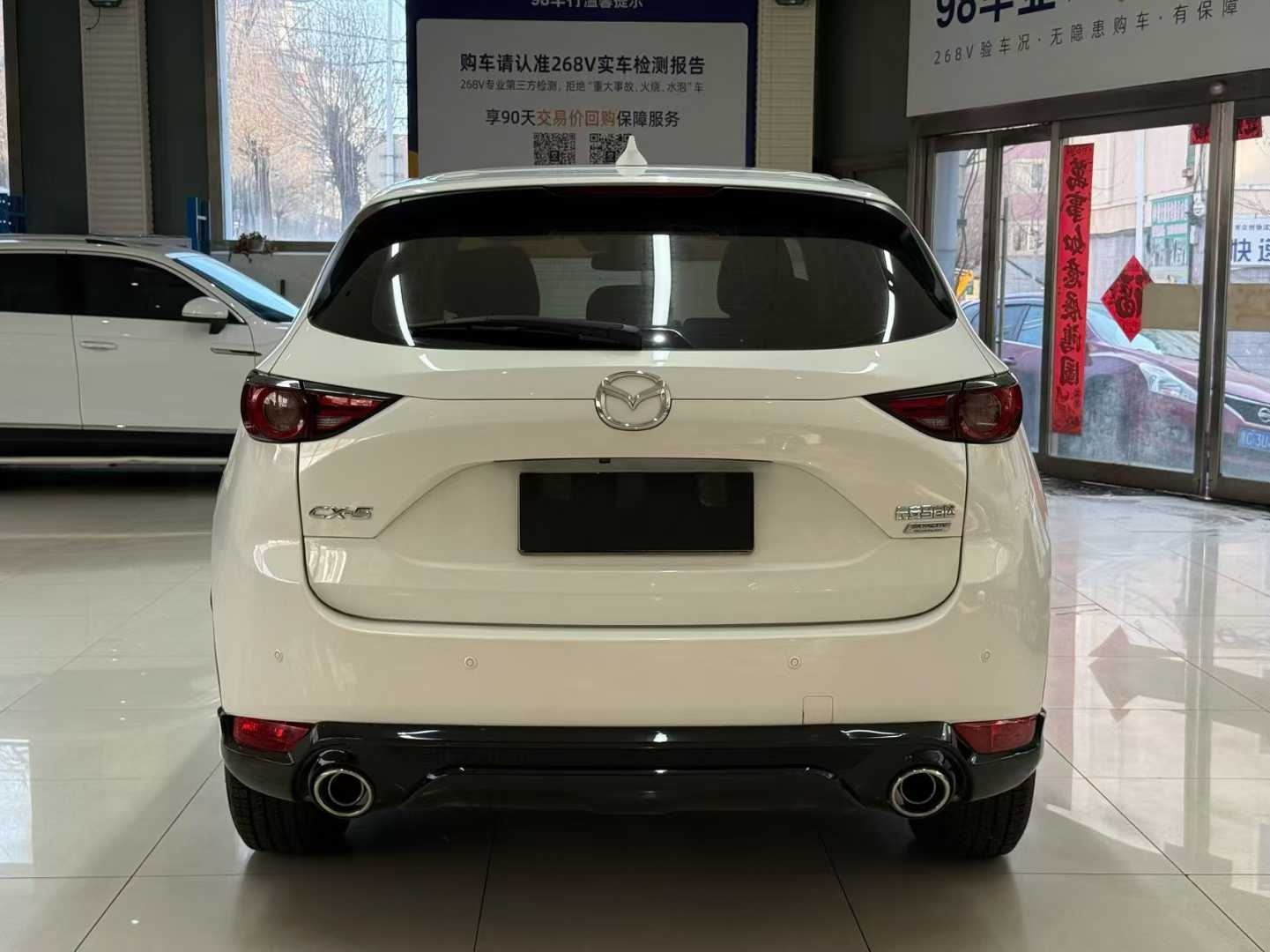
First generation: value-led choice
Early CX-5 vehicles established the Skyactiv formula and can be attractive at lower budgets. Age makes condition, corrosion environment, service evidence, suspension wear and previous repair quality especially important.
Second generation: broader target pool
The second generation brought a more mature cabin and styling. During its long life it received equipment and detail updates, so buyers should compare the actual infotainment, safety features, lighting and powertrain rather than relying only on a trim badge.
Choose condition before a one-year difference
A properly maintained older example can be a better export purchase than a newer car with structural repair, neglected fluids or inconsistent history. Establish non-negotiable condition standards before chasing the newest year.
Quick answer
The first-generation KE and second-generation KF CX-5 create very different used-car propositions, and updates within each generation matter. Buyers should identify generation, production date, facelift, engine, drivetrain and equipment before comparing mileage or price.
How generation affects the purchase
The first-generation CX-5 can offer strong value, but age increases the importance of suspension, rubber, battery, cooling condition and previous repair. A later registration alone does not offset neglected maintenance.
The second generation introduced the body and cabin most current buyers recognise. Its long production span includes changes to infotainment, lighting, cameras, assistance systems and powertrains. Verify each fitted feature rather than trusting a translated trim name.
Use production labels and documents to place the vehicle in the correct timeline, then compare it only with similar-generation stock. This prevents an early value car and later high-equipment car from appearing equivalent simply because both adverts say CX-5.
Age-related checks by generation
On earlier KE vehicles, give more weight to rubber components, dampers, cooling condition, corrosion environment, battery history and accumulated body repair. Low displayed mileage does not prevent deterioration from storage or repeated short trips. Inspect wear against the odometer rather than accepting either in isolation.
On KF vehicles, verify cameras, displays, lighting and assistance functions as carefully as mechanical condition. Updates were not introduced on one worldwide date, so a registration year cannot prove a facelift or feature set. Production information and a function test provide the useful answer.
Decision table
What to verify before choosing
- 01Decode production and registration dates and confirm whether the vehicle belongs to the expected generation or update.
- 02Inspect older cars for accumulated suspension, rubber, battery, cooling and body-condition issues.
- 03Test the exact infotainment and driver-assistance equipment fitted to later cars.
- 04Compare service evidence and structural condition before paying a premium for one newer model year.
A practical action plan
Early first generation
Decode production and registration dates and confirm whether the vehicle belongs to the expected generation or update.
Late first generation
Inspect older cars for accumulated suspension, rubber, battery, cooling and body-condition issues.
Early second generation
Test the exact infotainment and driver-assistance equipment fitted to later cars.
Later second generation
Compare service evidence and structural condition before paying a premium for one newer model year.
Which buyer profile fits?
Scenario 1
Budget buyers can target a clean later first-generation vehicle with transparent maintenance.
Scenario 2
Mainstream export buyers may find second-generation naturally aspirated petrol cars the easiest balance.
Scenario 3
Technology-focused buyers should verify cameras, sensors, displays and software rather than trusting a trim name.
How to compare shortlisted vehicles
| Decision area | Target | Weight |
|---|---|---|
| Early first generation | Lower entry cost; age and repair quality dominate | Mandatory match |
| Late first generation | Mature version but still condition-sensitive | High priority |
| Early second generation | Newer cabin and body; verify equipment updates | Cost and risk |
| Later second generation | Broader technology; higher acquisition cost | Final confirmation |
Mistakes that create avoidable cost
- Calling every registration year a unique specification.
- Assuming a facelift applies globally on the same date.
- Paying for a newer year with worse structural history.
- Using generic generation photos as proof of a candidate vehicle.
Frequently asked questions
Which generation should I buy?
Choose the cleanest generation that meets your budget, destination rules and parts environment.
Does one newer year guarantee better equipment?
No. Trim and market can matter more than a one-year difference.
How should production date be checked?
Use manufacturer labels and vehicle documents, then reconcile them with the VIN and registration.
Is an older low-mileage car automatically better?
No. Storage, short trips, age-related deterioration and undocumented repair still matter.
Reference sources
Official information is used to understand the model family. The individual VIN, documents and inspection remain authoritative for a vehicle offered for sale.
Verify the exact vehicle
Specifications vary by year and market. Match the VIN, vehicle documents, inspection findings and manufacturer service information before purchase.