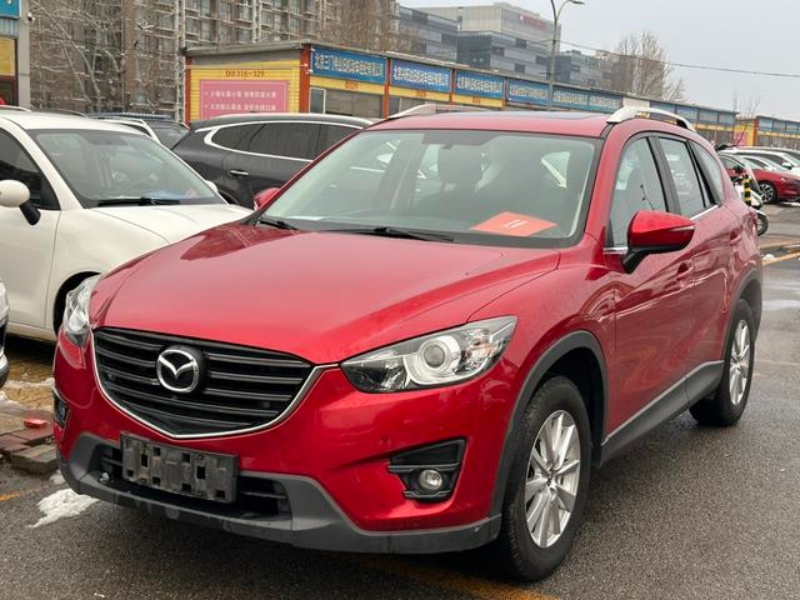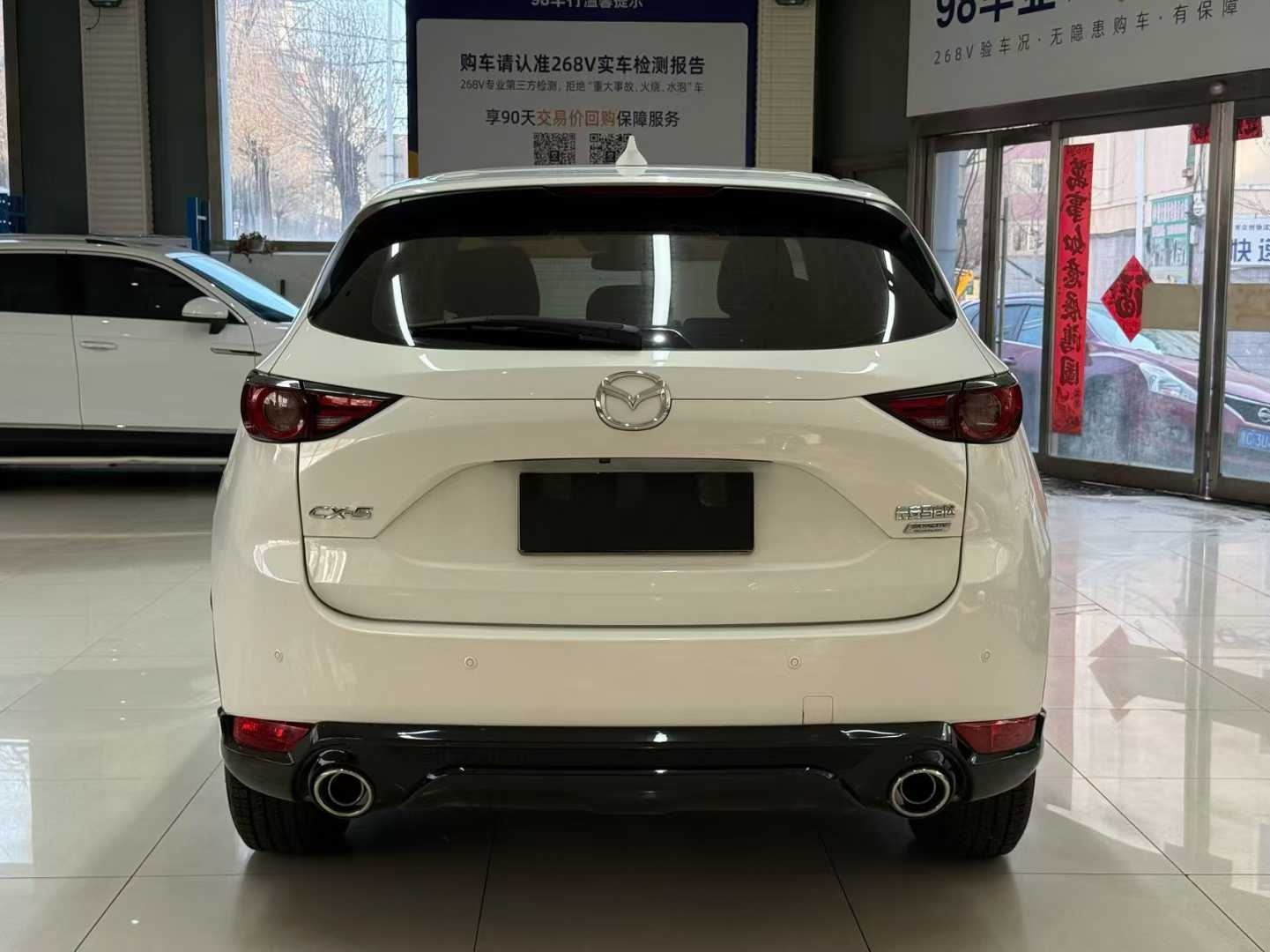
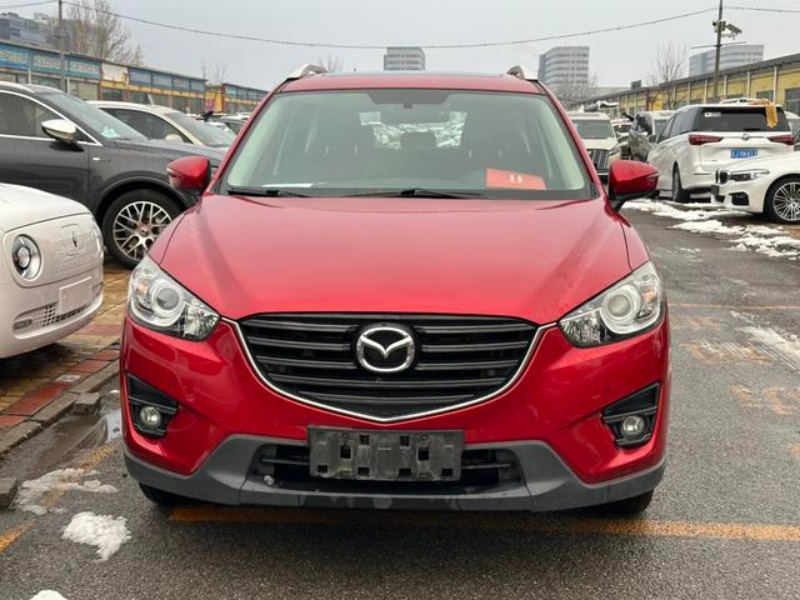
Body and structure
Measure paint on every panel, inspect bolt heads and seam sealer, compare panel gaps and examine the radiator support, pillars, floor and rear body structure. Cosmetic repaint is different from structural repair and should be reported separately.
Powertrain and road test
Start the engine cold, listen for abnormal noise, verify stable idle and watch the instrument cluster. Test smooth engagement, acceleration, deceleration and manual selection where fitted. AWD cars require checks for warning lights, tyre consistency and driveline noise.
Cabin, electronics and documents
Test climate control, displays, cameras, windows, locks, seat functions, lights and driver-assistance features fitted to the car. Confirm keys, manuals and document identifiers before shipment. When paint, sealing or history raises concern, continue with the CX-5 accident, structure and flood checks. Add the CX-5 ADAS and safety-system checks for vehicles fitted with cameras or radar. Test each supplied key independently and confirm the key and ownership handover, including any missing spare or unresolved previous-owner account.
Quick answer
A CX-5 inspection should identify the vehicle, separate cosmetic work from structural repair, test the Skyactiv powertrain from cold, evaluate transmission and drivetrain behaviour, scan control modules and verify every important cabin function.
Inspect in a sequence that preserves evidence
Identity comes first. Photograph VIN or chassis identifiers, labels, odometer and documents before detailed testing. The report must remain traceable to one car even when several similar CX-5 vehicles share a location.
Inspect paint depth, fasteners, welds, seam sealer, pillars, floor and impact structures. Record location and extent of every anomaly so cosmetic refinishing can be separated from significant repair.
Begin mechanical testing cold where practical. Capture first start and instruments, scan before faults are cleared, road-test engagement, acceleration, steering, brakes and suspension, then finish with equipment and underbody checks.
Turn findings into a decision
Classify each finding by safety, legality, structural significance, drivability, near-term cost and cosmetic effect. Photograph the location and record the test condition. “Normal for age” is not a measurement; tread depth, paint readings, fault codes, fluid condition and road-test symptoms are decision evidence.
A pass should mean the vehicle meets the written buying criteria, not that no defect exists. Used cars normally carry wear. Price-adjustable defects can remain when their scope is understood, while inconsistent identity, serious structural damage or unresolved safety warnings may justify rejection regardless of discount.
Decision table
What to verify before choosing
- 01Photograph the VIN locations and labels beside the documents so the report cannot be detached from the vehicle.
- 02Measure every painted panel and inspect fasteners, seams and structural zones; record cosmetic and structural findings separately.
- 03Start the engine cold, scan before clearing anything, and test engagement, acceleration, deceleration and steering response.
- 04Test all equipment listed as valuable in the quotation, including both keys where promised.
A practical action plan
Identity
Photograph the VIN locations and labels beside the documents so the report cannot be detached from the vehicle.
Structure
Measure every painted panel and inspect fasteners, seams and structural zones; record cosmetic and structural findings separately.
Mechanical
Start the engine cold, scan before clearing anything, and test engagement, acceleration, deceleration and steering response.
Equipment
Test all equipment listed as valuable in the quotation, including both keys where promised.
Which buyer profile fits?
Scenario 1
For an older car, devote extra attention to suspension wear, rubber parts, battery and previous body repair.
Scenario 2
For AWD, check matching tyres, warning lights, transfer/rear driveline leaks and noise.
Scenario 3
For a later high-specification car, extend the function test to cameras, sensors and driver-assistance systems.
How to compare shortlisted vehicles
| Decision area | Target | Weight |
|---|---|---|
| Identity | VIN/chassis, labels, documents, keys and mileage | Mandatory match |
| Structure | Paint depth, seams, pillars, floor, supports and underbody | High priority |
| Mechanical | Cold start, fluids, leaks, scan, road test and brakes | Cost and risk |
| Equipment | Climate, displays, cameras, sensors, windows and lighting | Final confirmation |
Mistakes that create avoidable cost
- Inspecting only a washed exterior.
- Accepting screenshots instead of a vehicle-linked report.
- Allowing faults to be cleared before the scan is recorded.
- Skipping the underbody because the upper panels look clean.
Frequently asked questions
Is paintwork always a reason to reject a car?
No. Local cosmetic repaint differs from structural repair, but it must be disclosed and evaluated.
Why is a cold start important?
Some noises, smoke, idle problems and warnings are easier to observe before the engine warms.
What should the road test cover?
Transmission engagement, acceleration, braking, steering, suspension noise and AWD behaviour where fitted.
Can inspection prove future reliability?
No. It reduces uncertainty by documenting present condition.
Reference sources
Official information is used to understand the model family. The individual VIN, documents and inspection remain authoritative for a vehicle offered for sale.
Verify the exact vehicle
Specifications vary by year and market. Match the VIN, vehicle documents, inspection findings and manufacturer service information before purchase.