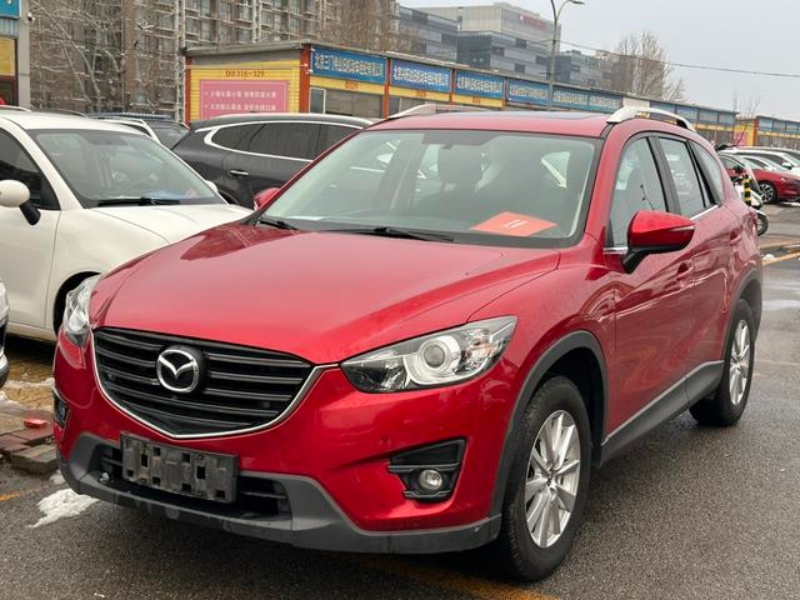
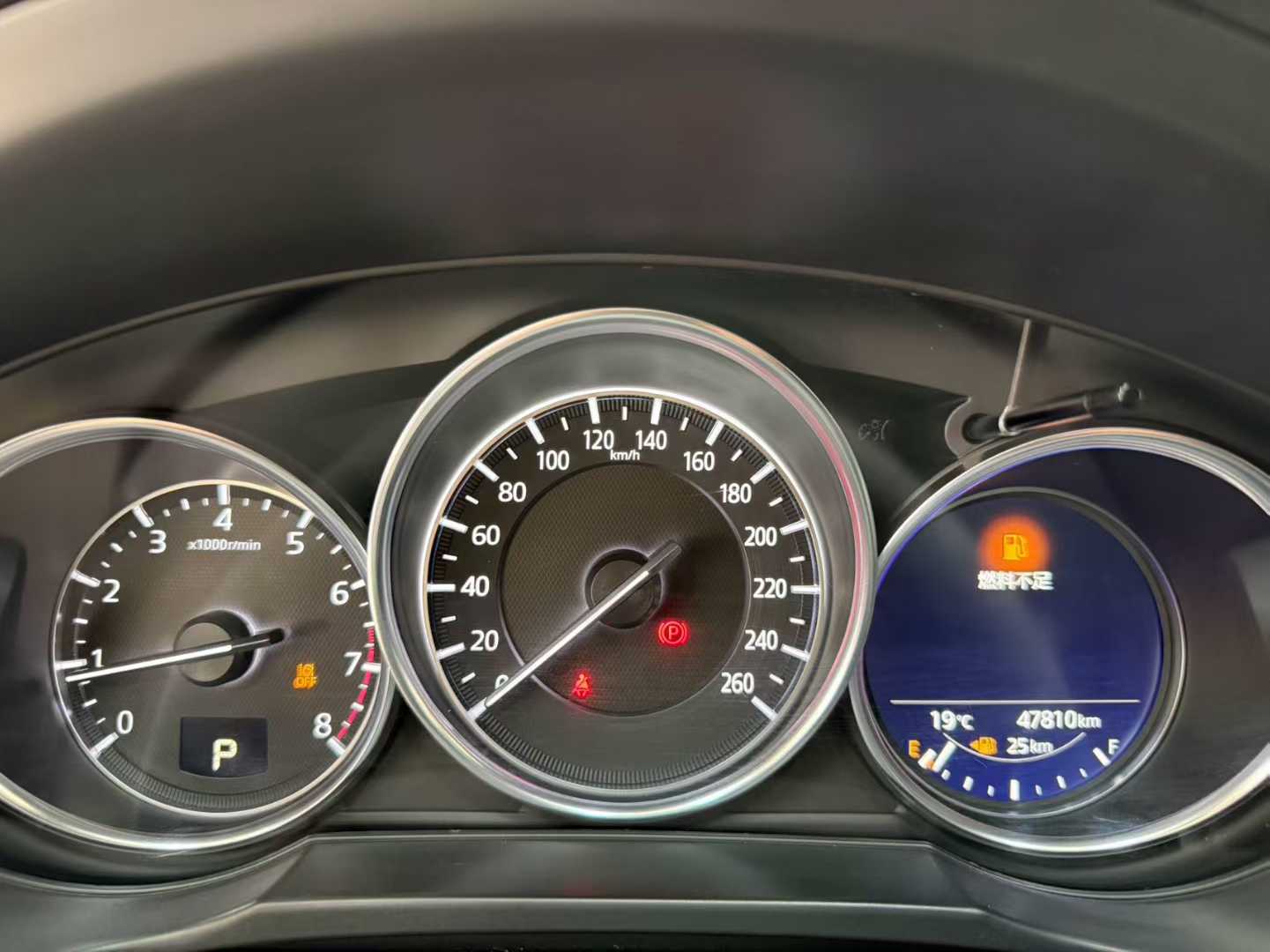
Measure all four corners
Record tyre size, brand, model, production date, tread depth, damage and wear pattern at each wheel. On AWD, material differences deserve additional drivetrain scrutiny; confirm the correct fitment from the vehicle label and matching manual.
Inspect brakes and suspension
Measure remaining friction material and disc condition where access permits, then inspect dampers, springs, bushes, joints, bearings and visible mounting areas. Fluid leaks, play and damaged components require a defined repair scope.
Road-test before pricing
Check straight-line tracking, steering return, vibration, brake response and noise over suitable surfaces. Use the CX-5 condition-risk guide to keep symptoms separate from diagnosis.
Quick answer
Measure the CX-5 chassis rather than describing it as normal for age. Record each tyre, inspect brakes and suspension, then road-test tracking, vibration, noise and stopping response. On AWD, incompatible tyre circumference also creates a drivetrain concern.
Read the chassis as a connected system
A tyre can wear because of pressure, alignment, suspension play, wheel damage or prior impact. Measure each corner and preserve its position in photographs. Compare findings with the body and full CX-5 inspection record before calling the problem cosmetic.
Brake condition requires more than pad thickness. Disc surface, hoses, fluid condition, warnings, parking-brake operation and road response all matter. Suspension review should cover dampers, springs, bushes, joints, bearings and mounts, followed by a safe road test on more than one surface.
Translate findings into action: safe as inspected, diagnose before approval, correct before shipment or budget at destination. Never hide a tyre set, brake job or alignment inside a vague reconditioning allowance when it materially changes the comparison.
Build the first-year chassis budget
Price tyres by a complete correct fitment, brakes by measured remaining life and required axle work, and suspension only after the noisy or loose component is identified. Include alignment and any calibration that follows suspension or steering work.
Separate safety-critical work from optional ride refinement. If repair is completed before shipping, require parts and labour evidence plus an appropriate road-test update. If deferred, ensure the destination plan can move and repair the vehicle legally and safely.
Decision table
What to verify before choosing
- 01Measure and photograph every tyre separately, including sidewalls and production codes, and compare the fitment with the vehicle label and manual.
- 02Inspect friction material, disc surfaces, hoses and visible fluid condition; investigate pulsation, pull, noise or warning messages.
- 03Check dampers for leakage, springs for damage, bushes and joints for play, bearings for noise and mounting areas for impact or repair.
- 04Road-test on safe suitable surfaces, recording speed and condition for steering pull, vibration, brake behaviour and suspension noise.
A practical action plan
Tyres
Measure and photograph every tyre separately, including sidewalls and production codes, and compare the fitment with the vehicle label and manual.
Brakes
Inspect friction material, disc surfaces, hoses and visible fluid condition; investigate pulsation, pull, noise or warning messages.
Suspension
Check dampers for leakage, springs for damage, bushes and joints for play, bearings for noise and mounting areas for impact or repair.
Decision output
Road-test on safe suitable surfaces, recording speed and condition for steering pull, vibration, brake behaviour and suspension noise.
Which buyer profile fits?
Scenario 1
An AWD buyer should prefer four compatible tyres with similar wear or include a correct set and further driveline review in the budget.
Scenario 2
An urban vehicle may show brake and tyre wear inconsistent with low distance because of congestion, kerbs and short trips.
Scenario 3
A vehicle with new tyres still needs alignment and structure checks when the previous wear pattern or replacement reason is unknown.
How to compare shortlisted vehicles
| Decision area | Target | Weight |
|---|---|---|
| Tyres | Size, brand, model, date, tread, pressure and wear pattern | Mandatory match |
| Brakes | Pad or lining, disc, fluid, hoses, warning status and road response | High priority |
| Suspension | Dampers, springs, bushes, joints, bearings and mounts | Cost and risk |
| Decision output | Safety work, diagnosis, alignment and first-year cost | Final confirmation |
Mistakes that create avoidable cost
- Reporting only the lowest tread depth without identifying the wheel.
- Calling uneven wear a tyre-only problem before checking alignment, suspension and impact history.
- Using a short smooth-road drive to clear all chassis concerns.
- Assuming new low-cost tyres add the same value as correct, suitable replacements.
Frequently asked questions
Should all four tyres match on an AWD CX-5?
Use Mazda’s matching specifications and keep circumference differences controlled; material mismatch deserves correction and driveline review.
Can tyre wear reveal accident damage?
It can signal alignment or suspension problems, but diagnosis requires measurements and structural inspection.
What should a brake road test include?
Safe checks for response, pull, vibration, noise, warning status and parking-brake operation where applicable.
Are suspension noises always expensive?
No. The source and repair scope vary, so reproduce and diagnose the symptom before pricing it.
Reference sources
Official information is used to understand the model family. The individual VIN, documents and inspection remain authoritative for a vehicle offered for sale.
Verify the exact vehicle
Specifications vary by year and market. Match the VIN, vehicle documents, inspection findings and manufacturer service information before purchase.