
Age and wear items
Inspect tyres, brakes, dampers, bushes, wheel bearings, battery condition and air-conditioning performance. Uneven tyres can point to alignment, suspension or prior impact issues. If the complaint is cabin cooling rather than engine temperature, the air-conditioning and hot-weather test separates airflow, refrigerant and heat-rejection checks.
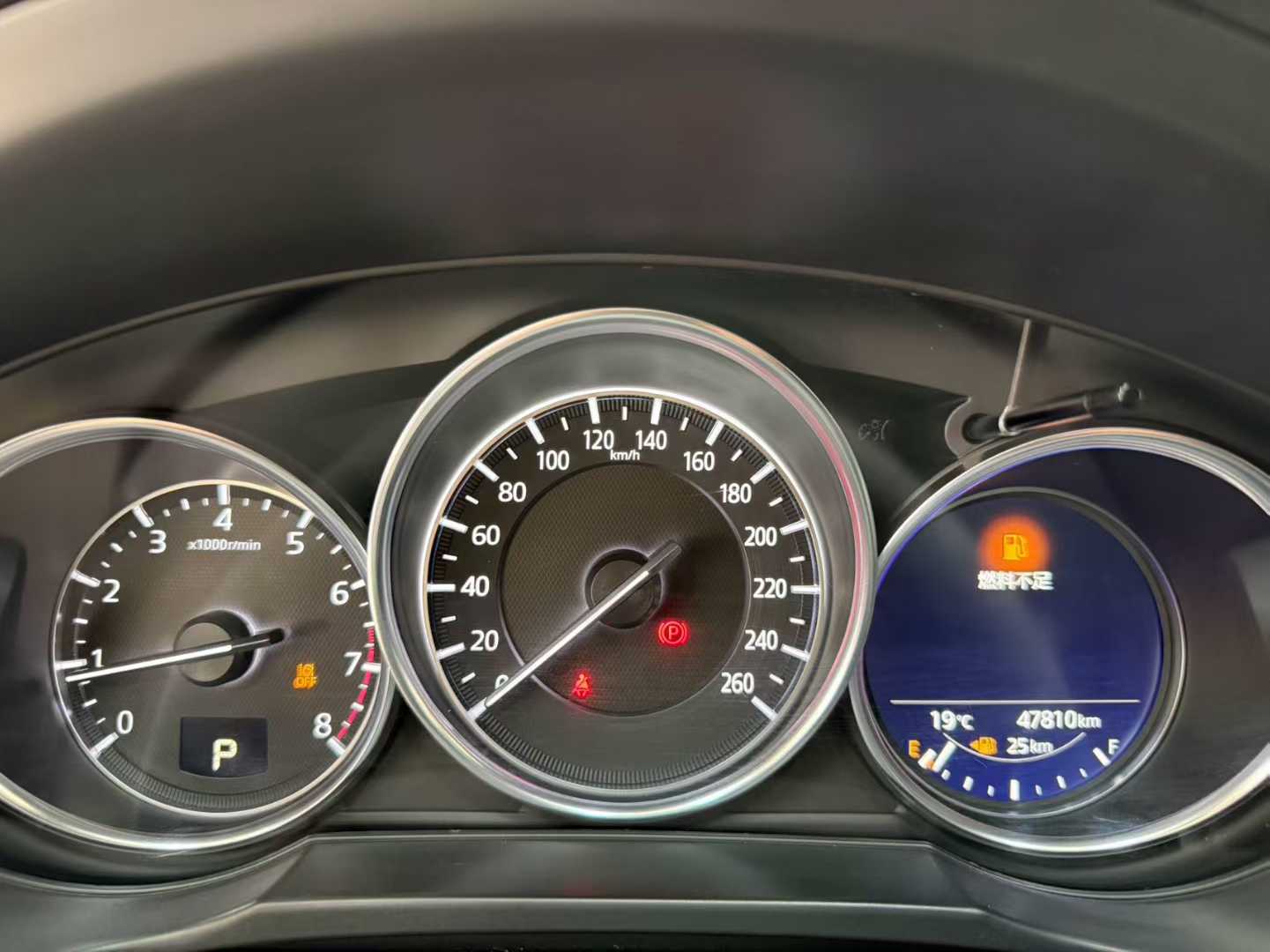
Leaks, fluids and warning lights
Look for fluid seepage, coolant residue, oil-level anomalies and stored diagnostic faults. A cleared dashboard is not the same as a clean scan, so check readiness and fault history where the tool permits.
Market-specific equipment
Infotainment language, navigation, connected services, radio bands and driver-assistance calibration may not transfer cleanly across borders. Verify what works without assuming a software change will solve every limitation. Measure chassis wear using the CX-5 tyres, brakes and suspension checklist rather than diagnosing from a listing photo.
Quick answer
There is no single defect list that applies to every CX-5. The practical approach is to check age-related wear, engine-specific service needs, fluid leaks, cooling condition, battery and electronics, suspension, brakes, tyres and evidence of previous collision repair.
Use symptoms, not internet folklore
Problem research tells an inspector where to look; it does not diagnose the car. A noise blamed online on one component may come from tyres, trim, suspension or previous repair. Record symptom, operating condition and diagnostic result separately.
Older examples deserve close checks of battery, tyre age, dampers, bushes, seals, brakes and air conditioning. These items can create a meaningful first-year budget even when engine and transmission operate normally.
Combine cold start, fluid and leak review, scan and road test. AWD adds tyre compatibility and transfer/rear driveline checks. Electronics require a full function test because connected and navigation services may be region-limited.
Diagnose before pricing a repair
Begin with reproducible symptoms: when the noise occurs, whether the engine is cold, road speed, steering angle, surface and warning-light status. Then inspect likely systems and confirm with scan data or measurement. Replacing the component most often mentioned online is not a diagnostic method.
Estimate repairs only after identifying labour, parts and calibration needs in the destination. A camera, module or infotainment issue can involve programming or regional compatibility; an AWD vibration can involve tyres before driveline hardware. Preserve the pre-purchase scan so cleared or recurring faults can be compared later.
Decision table
What to verify before choosing
- 01Ask whether the vehicle has been used mainly for short urban trips, extended idling or harsh dusty conditions.
- 02Inspect oil and coolant level and condition without treating one reading as a complete diagnosis.
- 03Look for uneven tyre wear, steering pull and suspension noise that may indicate wear, alignment or prior impact.
- 04Scan all available modules and test electronics individually; do not accept “everything works” without evidence.
A practical action plan
Age-related
Ask whether the vehicle has been used mainly for short urban trips, extended idling or harsh dusty conditions.
Powertrain
Inspect oil and coolant level and condition without treating one reading as a complete diagnosis.
AWD-specific
Look for uneven tyre wear, steering pull and suspension noise that may indicate wear, alignment or prior impact.
Cabin/electronics
Scan all available modules and test electronics individually; do not accept “everything works” without evidence.
Which buyer profile fits?
Scenario 1
A high-mileage highway vehicle with consistent care can be preferable to a neglected low-mileage urban car.
Scenario 2
An AWD vehicle on mismatched tyres deserves additional drivetrain scrutiny.
Scenario 3
A repaired car may remain usable, but structural history and repair quality must be priced and disclosed correctly.
How to compare shortlisted vehicles
| Decision area | Target | Weight |
|---|---|---|
| Age-related | Battery, rubber, dampers, bushes, tyres and seals | Mandatory match |
| Powertrain | Cold start, oil/coolant condition, leaks, scan and road test | High priority |
| AWD-specific | Tyre matching, transfer/rear drive condition and warnings | Cost and risk |
| Cabin/electronics | Infotainment, cameras, sensors, climate and switches | Final confirmation |
Mistakes that create avoidable cost
- Repeating forum complaints as guaranteed defects.
- Diagnosing from mileage alone.
- Ignoring software and regional connected-service limits.
- Using a recent detail or engine wash as proof of condition.
Frequently asked questions
Is the CX-5 reliable?
Many owners choose it for conventional Skyactiv powertrains, but reliability depends on the exact engine, year, maintenance and condition.
What is the biggest used-car risk?
Undisclosed structural repair or neglected maintenance usually matters more than minor cosmetic wear.
Should warning lights be cleared before export?
No. Diagnose and document the cause; clearing evidence is not a repair.
Are AWD cars riskier?
They add components and inspection points, not automatic failure.
Reference sources
Official information is used to understand the model family. The individual VIN, documents and inspection remain authoritative for a vehicle offered for sale.
Verify the exact vehicle
Specifications vary by year and market. Match the VIN, vehicle documents, inspection findings and manufacturer service information before purchase.