
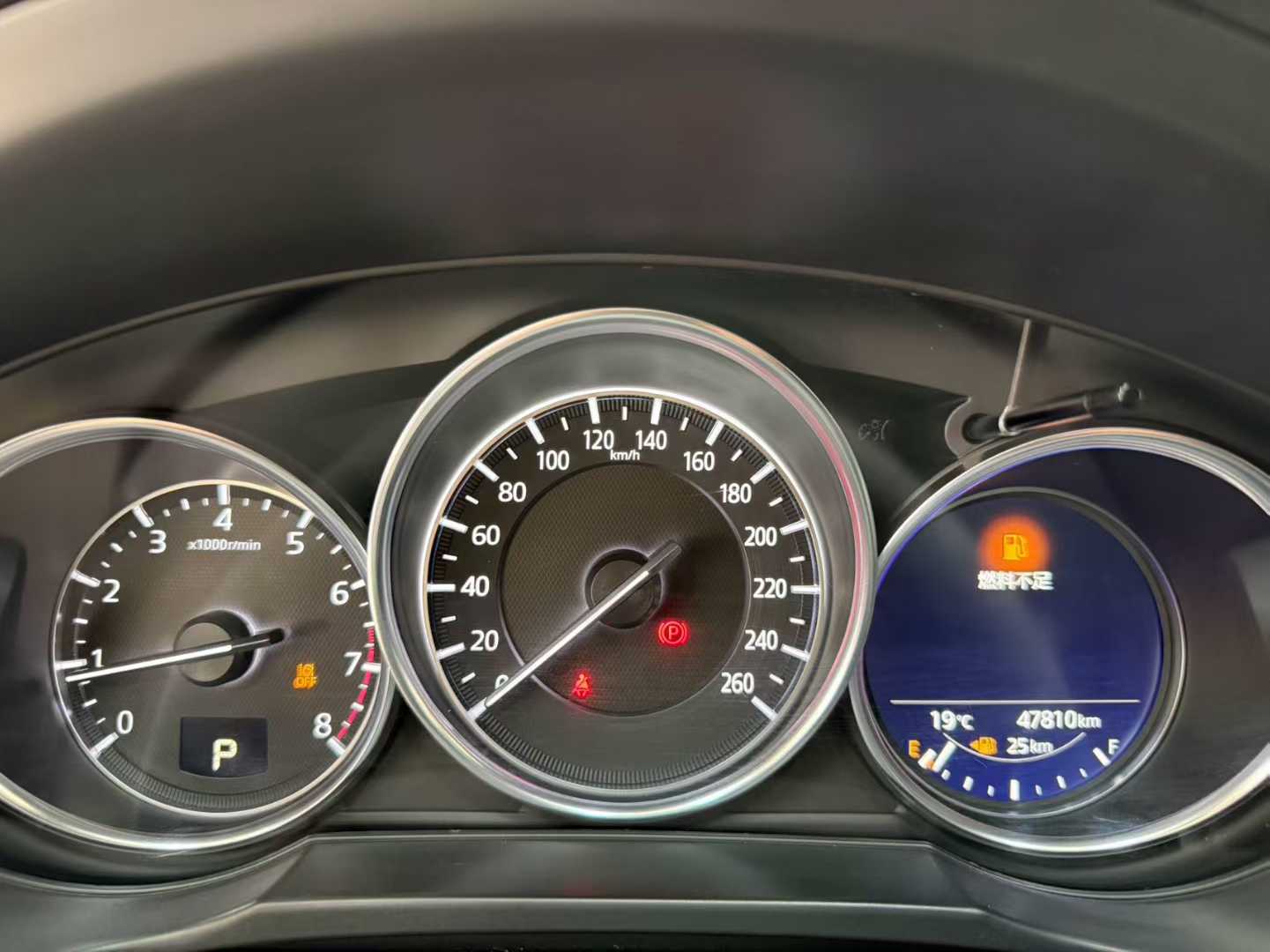
Create a compact vehicle identity sheet
Record VIN, build date, engine code, transmission, drive layout and relevant equipment. Include clear photographs of labels and the installed component where access is safe. Distinguish the registration date from production date and retain the original model description rather than replacing it with a familiar export trim. Use the CX-5 specifications guide to organise the information. A parts enquiry containing only model name and engine capacity leaves too many variables unresolved, especially where a catalogue divides fitment at a particular production number or month.
Use part numbers and documented substitutions
Ask the supplier to identify the original number, any superseding number and the evidence that the replacement applies to this VIN. A newer suffix is not automatically interchangeable. Compare connectors, mounting points, handedness and calibration requirements where relevant. Keep the written compatibility statement and return conditions with the order. Photographs are valuable cross-checks but do not replace catalogue matching. If a supplier cannot confirm fitment, describe the offer as an unverified option rather than including it in a fixed repair budget. This prevents an apparently cheap part from creating repeated freight and labour charges.
Treat lighting and electronics as market-sensitive
Headlamp beam pattern, control modules, cameras, sensors and infotainment equipment can be affected by market or trim. A physically fitting lamp may still be unsuitable for the destination traffic direction or required approval. A used module may require authorised configuration or may not be usable as a simple replacement. For screen or sensor work, consult the ADAS inspection and calibration guide. Obtain a workshop commitment for installation and configuration before shipping an electronic part; a catalogue match alone does not establish a completed functional repair.
Build two baskets instead of buying random spares
Create a routine-service basket containing only confirmed consumables needed soon, and a separate risk basket for likely diagnosis or long-lead repairs. The second basket is a sourcing exercise, not a recommendation to buy expensive modules speculatively. Ask for price validity, availability, freight and warranty terms. Compare genuine, reputable aftermarket and used options only where each is appropriate. Record fluid specifications rather than relying on brand names. Use the maintenance-cost guide to separate scheduled work from uncertain repairs so the first-year budget stays interpretable.
Include installation and return logistics
A low part price may exclude seals, fasteners, coding, calibration or specialist tools. Ask the workshop what completes the job and whether old parts must be returned as a core. Cross-border returns can be slow or expensive, and a part damaged during fitting may lose return eligibility. Agree who checks the delivered number and condition before installation. Keep packaging and labels until fitment is established. For safety-critical parts, prioritise traceability and a credible supplier rather than an unverified bargain; do not approve an item solely because it resembles the removed component.
Use supportability to choose the candidate
Compare two similar cars by the support burden of their actual specifications. A common engine with locally stocked service items may suit a remote buyer better than a rarer trim requiring imported electronics. That is not proof the rare version is unreliable; it changes downtime and logistics. Before purchase, obtain at least one credible route for routine servicing and one for diagnostic work. If the only proposed solution is to guess a part after the car arrives, keep the uncertainty in the budget or choose a more supportable vehicle.
Evidence checklist
- VIN and production-month identity sheet
- Original and superseding part numbers
- Market-specific lamp and electronic compatibility
- Installation, coding and calibration estimate
- Return, freight and lead-time terms
Buyer questions
Are all China-market CX-5 parts unique?
No. Some may be shared, but compatibility must be established component by component rather than assumed from the model badge.
Should I ship a large spare-parts kit with the car?
Only buy confirmed items with a clear need. Speculative electronics and incompatible consumables can tie up money without improving practical support.
Reference and inspection scope
These are buyer inspection questions, not repair instructions. Use the actual market and year manual; the linked US-market manual does not establish China-market equipment.
Mazda owner manual: market-specific reference, not proof of candidate equipment
Verify the exact vehicle
Specifications vary by year and market. Match the VIN, vehicle documents, inspection findings and manufacturer service information before purchase.