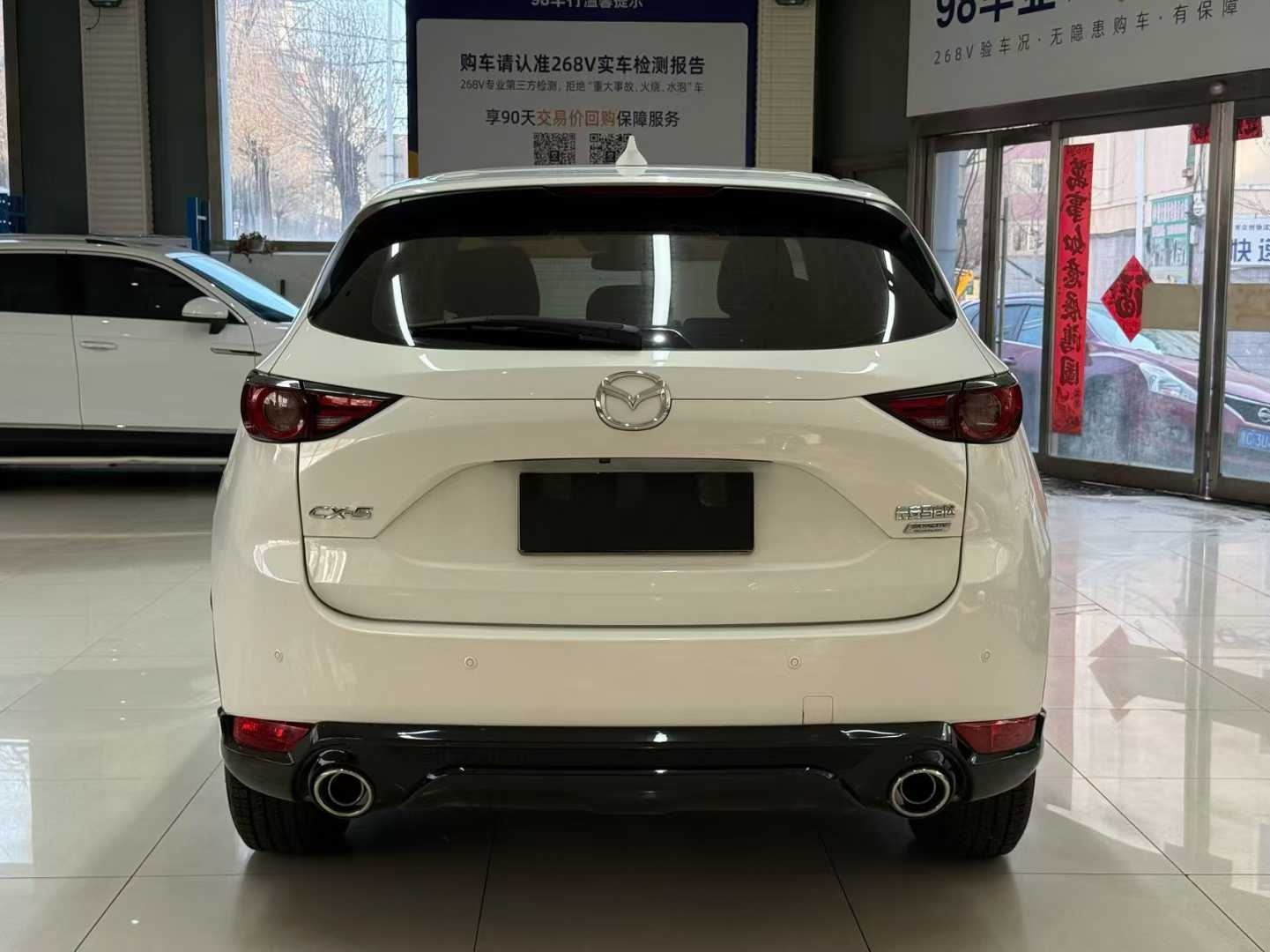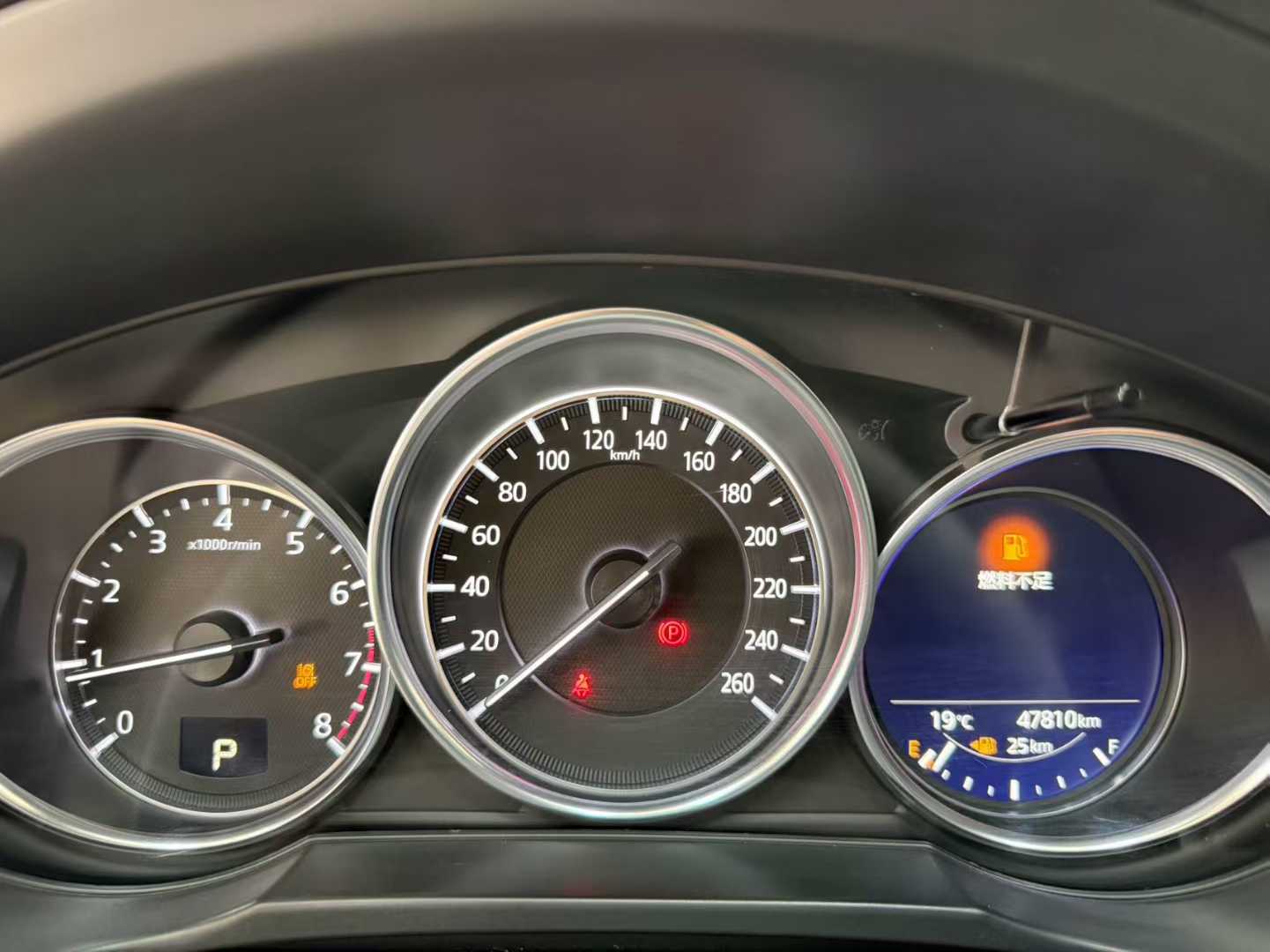

Separate cosmetic and structural repair
Compare dated history with paint readings, fasteners, glass dates, seams, welds, pillars, sills, floor, rails and suspension mounts. A documented bolt-on panel repair differs from unexplained deformation in a load path.
Trace water beyond visible carpet
Inspect windscreen, roof and door sealing, drain exits, carpet edges, seat mounts, luggage-floor wells and accessible connectors. Cleaning can remove odour and staining while corrosion or module damage remains.
Reconnect safety systems and retest
Check airbags, belts, pretensioners, windscreen, bumpers, cameras and radar against repair invoices and scans. Carry the findings into the CX-5 pre-purchase inspection, then repeat geometry, sealing, alignment, calibration and road checks after any accepted correction.
Write a repair-specific acceptance record
List every refinished, replaced or repaired component and state which measurements support acceptance. Keep cosmetic allowances separate from structure, water, restraint and sensor work. Confirm destination inspection requirements and price any calibration or dismantling needed after arrival. If the seller cannot connect the repair narrative to the VIN, original event or present geometry, leave the issue unresolved rather than converting uncertainty into a general discount. Final approval should name the tests repeated after repair and the evidence retained with the contract.
Compare the candidate with an unrepaired baseline
Use equivalent CX-5 body seams, fastener finishes, drain paths, warning-lamp sequence and road behaviour as reference, but do not transplant another vehicle’s measurements. Photograph both sides and label inaccessible areas. Check door closure, wind noise, water sealing, steering-centre position and tyre wear after the structure reaches operating temperature. A repaired panel that functions normally may be acceptable; a mismatch between geometry, restraint records and current electronic state requires escalation.
Carry unresolved damage into price or rejection
Ask a qualified repairer to estimate only the work supported by measurements, then add dismantling risk, calibration and destination inspection separately. Do not describe an unknown rail, sill or flood depth as a fixed cosmetic repair. If access is denied or supporting records conflict, compare the vehicle with a cleaner alternative on landed and corrected cost. Preserve the event file, inspection report and final exceptions beside the VIN so the contract cannot reduce them to “used condition”.
Quick answer
Approve repaired or water-exposed history only when the exact scope, structural consequence, restraint status, electrical condition and comparable retest are documented for one VIN.
Decision table
What to verify before choosing
- 01Build a dated VIN-linked event file before interpreting current appearance.
- 02Measure repaired areas and keep cosmetic work separate from structural movement.
- 03Inspect concealed moisture paths, terminals and relevant modules.
- 04Repeat sealing, diagnostics, alignment and road behaviour after correction.
A practical action plan
History
Build a dated VIN-linked event file before interpreting current appearance.
Structure
Measure repaired areas and keep cosmetic work separate from structural movement.
Water
Inspect concealed moisture paths, terminals and relevant modules.
Closure
Repeat sealing, diagnostics, alignment and road behaviour after correction.
Which buyer profile fits?
Scenario 1
A documented outer-panel repair may be acceptable after sensor and geometry checks.
Scenario 2
A cheaper car with unexplained sill deformation needs specialist measurement.
Scenario 3
A dry-looking cabin with corrosion in low connectors remains unresolved.
How to compare shortlisted vehicles
| Decision area | Target | Weight |
|---|---|---|
| History | Claims, auction, repair and seller timeline | Mandatory match |
| Structure | Paint, fasteners, geometry and load paths | High priority |
| Water | Drains, concealed low points and connectors | Cost and risk |
| Closure | Restraints, calibration and repeat inspection | Final confirmation |
Mistakes that create avoidable cost
- Calling uniform paint accident-free evidence.
- Treating dry carpet as proof against flood exposure.
- Clearing restraint or sensor faults before saving them.
- Accepting an invoice without a comparable retest.
Frequently asked questions
Does even paint prove no accident history?
No. Compare paint, fasteners, geometry, records and diagnostics.
Can dry carpet rule out water exposure?
No. Inspect concealed low points, drains and connectors.
When can repaired damage be accepted?
When scope, parts, qualified work and a VIN-linked retest close the risk.
Reference sources
Official information is used to understand the model family. The individual VIN, documents and inspection remain authoritative for a vehicle offered for sale.
Verify the exact vehicle
Specifications vary by year and market. Match the VIN, vehicle documents, inspection findings and manufacturer service information before purchase.