
Inspect delivery condition before routine work
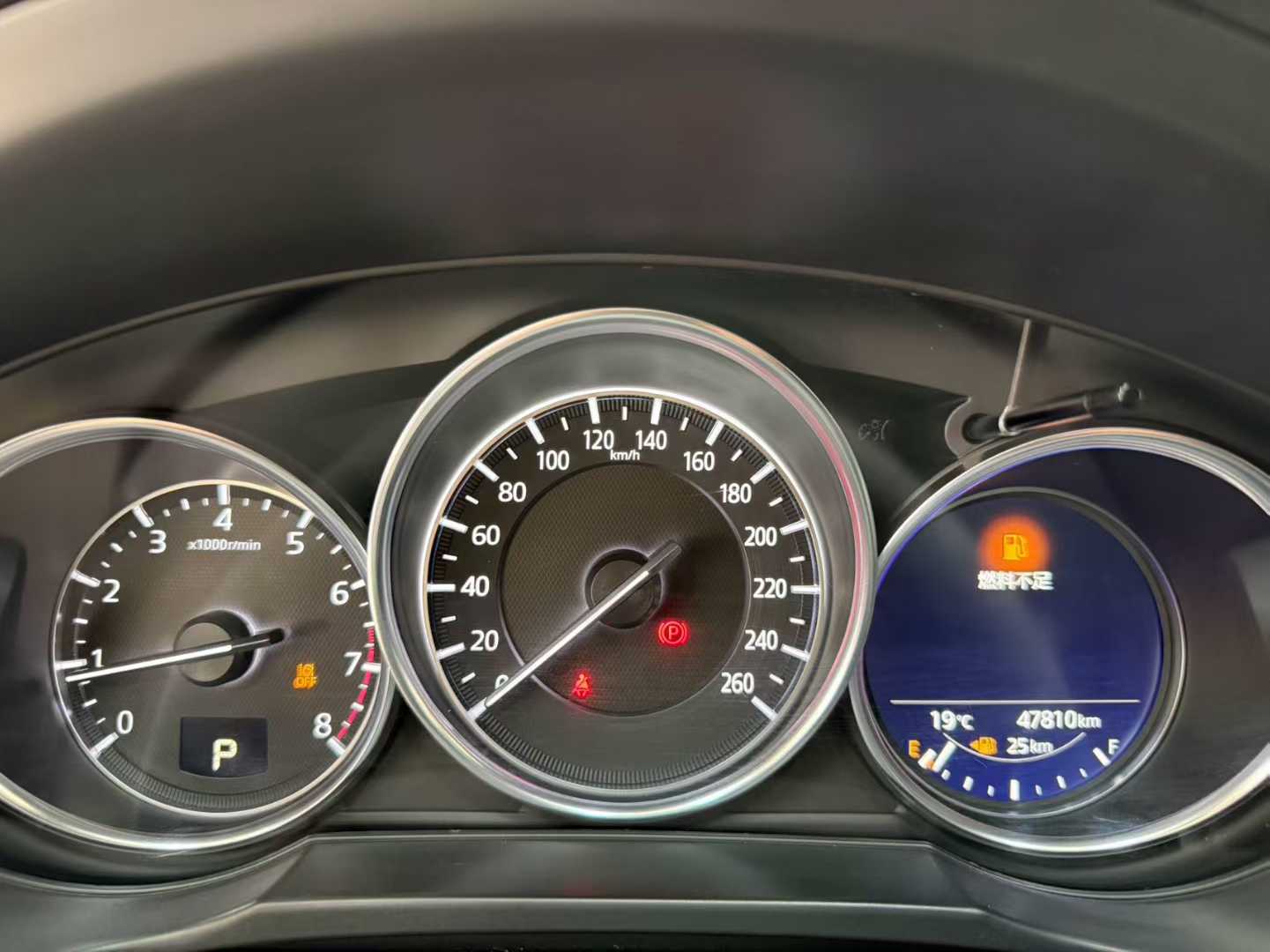
Photograph the vehicle, odometer, warning messages, visible damage and supplied equipment before washing or servicing. Compare the arrival record with loading photographs and the agreed condition report. Check for leaks, flat tyres, obvious underbody damage and missing keys without assuming every issue is a pre-existing mechanical fault. If damage may involve a carrier or insurer, follow the applicable reporting process promptly and preserve evidence. The CX-5 shipping guide explains the handover boundary; an ordinary service invoice is not a substitute for a delivery-condition record.
Reconcile history against the correct schedule
Arrange invoices chronologically and identify which work is documented, merely claimed or overdue by time or distance. Confirm engine and original market before selecting the manufacturer schedule. Diesel, petrol, turbo and non-turbo vehicles should not inherit one generic list. Use the mileage and service-history checks when dates or readings conflict. If records are missing, ask the workshop to propose a defensible baseline and explain each item. Do not reset the maintenance reminder before the work is defined and the old indication has been recorded.
Verify fluids instead of ordering a universal flush
Identify oil, coolant, brake fluid, transmission fluid and drivetrain lubricants applicable to the vehicle. Check level, condition, leaks and service evidence using safe model-specific procedures. An unknown fluid is a reason for investigation, not an instruction to add a universal product. Ask which replacement method is approved and whether diagnosis should precede fluid work. For transmission complaints, preserve the initial scan and follow the CX-5 automatic road-test guide. A fluid change cannot be promised to fix internal wear, delayed engagement or an unresolved control fault.
Recover storage-related systems methodically
Test the low-voltage battery after rest and inspect charging support if reserve is poor. Set tyre pressures to the appropriate vehicle specification, inspect tread and damage, and check brakes for persistent corrosion, drag or vibration. Light surface film after storage is different from damaged friction surfaces. Inspect accessible belts, hoses and filters, and confirm that lamps, wipers, locks and climate controls work. Do not repeatedly jump-start a weak car and immediately declare it ready. A stable electrical supply is necessary before interpreting a collection of module faults or carrying out configuration work.
Separate diagnosis from preventive maintenance
Write three lists: faults requiring investigation, scheduled items due now, and discretionary preventive work. Ask for itemised labour and parts so a large bundled quotation does not hide assumptions. Use compatible parts and preserve replaced items where they may explain a disputed condition. Record the original and post-work diagnostic reports, but do not clear faults merely to create a clean final sheet. If a road-test symptom remains, describe it and the next test. The baseline should make future servicing easier, not erase the trail that explains why the first repair was needed.
Establish the next service and ownership file
After work, record date, mileage, fluid specifications, part numbers and the applicable next interval. Keep photographs of labels and invoices with the VIN. Confirm that the workshop has the correct market information and a route to obtain less common parts. Recheck for leaks and warnings after the agreed follow-up period, especially where repairs involved disturbed hoses or seals. A buyer with good recent records may need only inspection and a few time-based tasks, while an undocumented car may justify a broader baseline. Price those cases differently rather than selling one fixed arrival-service package to everyone.
Evidence checklist
- Arrival evidence before washing or repair
- Verified engine-specific maintenance schedule
- Fluid identity and pre-work diagnostic report
- Battery, tyres and brakes after storage
- Itemised work and next-service record
Buyer questions
Must all fluids be replaced immediately after import?
Not automatically. Use the exact schedule, condition and credible service records; unknown history may justify work but the method and specification still matter.
Should fault codes be cleared before the first service?
Save the original report first. Diagnosis and a repeat test should explain the fault, rather than using a reset as proof that the car is healthy.
Reference and inspection scope
These are buyer inspection questions, not repair instructions. Use the actual market and year manual; the linked US-market manual does not establish China-market equipment.
Mazda owner manual: market-specific reference, not proof of candidate equipment
Verify the exact vehicle
Specifications vary by year and market. Match the VIN, vehicle documents, inspection findings and manufacturer service information before purchase.