
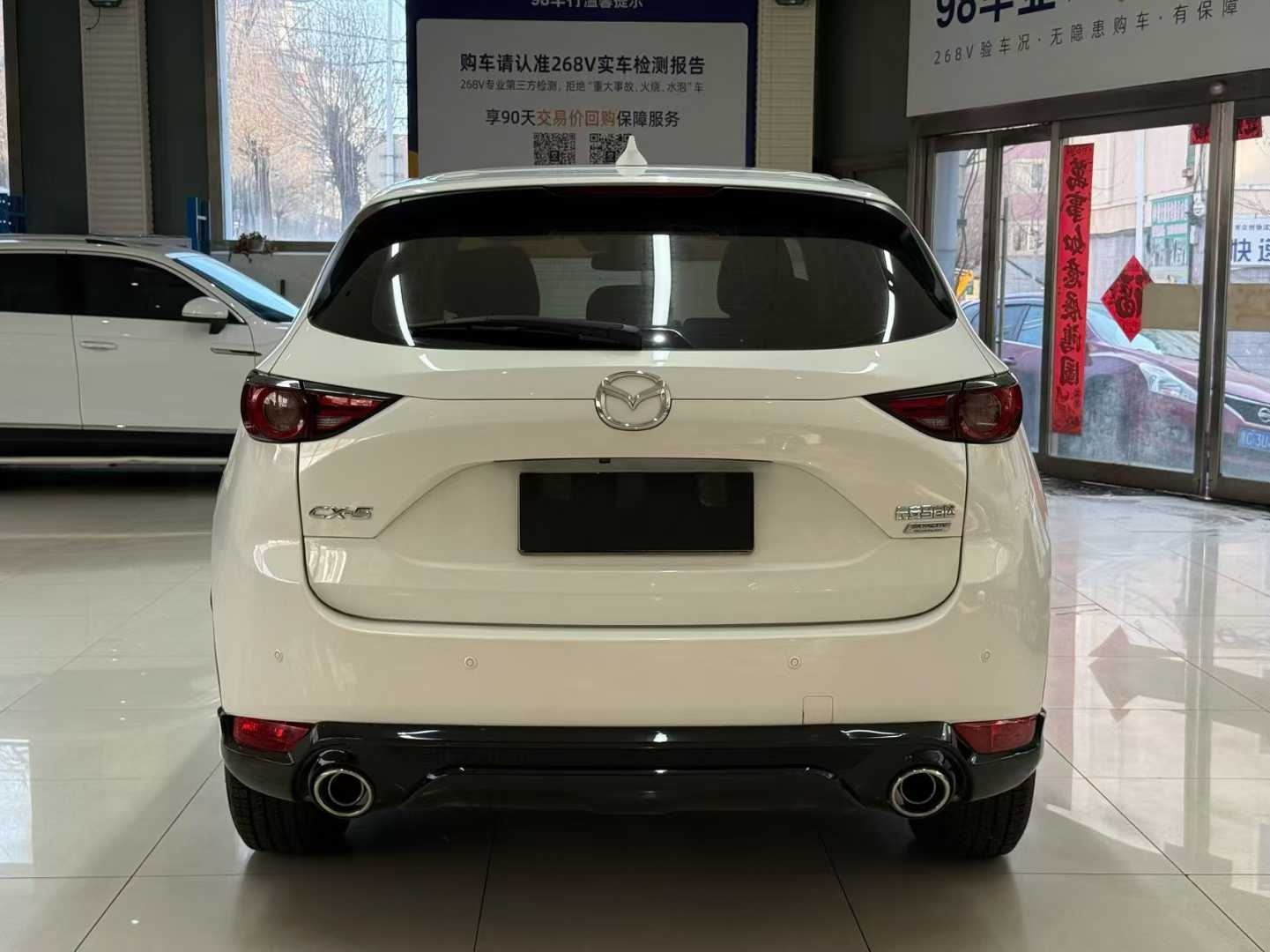
Bring the restraint information into the vehicle brief
Record the child-restraint make, model, approval and the intended installation method. Identify which seats are rear-facing, forward-facing or boosters according to the applicable instructions and requirements. Provide dimensions when a physical trial cannot be arranged, but recognise that dimensions alone do not prove fit. Ask for the actual vehicle’s restraint documentation rather than a generic CX-5 diagram. The family-use guide helps combine the seating trial with pram and luggage needs. A buyer should specify an acceptable seating arrangement before searching for trim or upholstery, because an unsuitable arrangement cannot be solved by a prettier cabin.
Confirm permitted positions and intact hardware
Identify the vehicle’s approved restraint positions, applicable lower-anchor and tether information, belt routing and airbag instructions. Do not invent an additional lower-anchor position by borrowing neighbouring points. Have a competent fitter follow both sets of instructions and resolve any conflict through the appropriate manufacturer. Inspect accessible belts, buckles, anchor areas and seatbacks for damage or modifications. The structural and repair assessment is relevant where restraint mounting areas may have been affected. A complete-looking bracket or an absence of dashboard warnings is not proof that collision repairs restored the required restraint structure.
Trial the installed restraint with normal occupants
Set the driver’s seat for the actual driver, not artificially far forward to make the rear seat appear spacious. Check front-passenger usability with the required child restraint fitted behind it. Follow the restraint instructions concerning contact and clearance; do not give a universal gap measurement. Assess access through the door, lifting the child, fastening straps and everyday adjustment while stationary. Keep other restraints and passengers in their intended positions during the trial. A single empty shell on the bench can hide buckle access and overlapping space needs. Record which combinations were tested and which were not, especially if the buyer plans to carry more than one child.
Assess booster access and the remaining seat honestly
For a booster, verify the permitted setup and usable belt route through qualified fitting rather than relying on comfort alone. Check whether the child or adult can reach the buckle without disturbing a neighbouring restraint. Do not claim that the centre position remains suitable simply because an adult can briefly squeeze between two seats. Consider regular trips, entering and exiting, and whether each occupant has a proper independent seating and restraint position. The CX-5 versus RAV4 comparison can help frame alternatives, but perform the same real-seat trial in both vehicles. Nominal SUV category and quoted rear width cannot determine the outcome for a particular restraint combination.
Check condition and comfort as separate decisions
Confirm rear-door child-lock operation according to the manual and inspect seat mechanisms, windows and accessible trim. Air-conditioning airflow to the intended occupants should be assessed separately from whether the restraints fit. Use the hot-weather cabin cooling test where that is important. Comfort observations do not establish crash protection, and a quiet test drive is not a safety certification. If used restraints are supplied with the vehicle, do not assume they are suitable: their identity, history and applicable manufacturer guidance require separate review. The car and the child seat must each satisfy their own acceptance checks.
Record the tested arrangement before purchase
Keep photographs that show the installation positions and front-seat settings without exposing unnecessary personal information. Ask the fitter to note unresolved questions and retain the relevant instructions for the receiver. For a remote purchase, arrange the closest practical trial using identical restraints or defer the decision until a genuine fit can be confirmed; a different seat model cannot conclusively prove your arrangement. The remote evidence brief should state these limits. If the seating plan fails, choose another vehicle or a manufacturer-approved restraint solution. Do not compromise installation requirements to make the selected car fit a budget.
Evidence checklist
- Actual restraint identity and instructions
- Approved positions and undamaged hardware
- Normal driver/passenger settings during trial
- Buckle access with the full planned arrangement
- Documented fit result and unresolved limits
Buyer questions
Does a five-seat CX-5 guarantee space for three child restraints?
No. Each restraint, permitted position, installation and usable buckle route must be checked in the complete arrangement.
Can photos replace a proper child-seat fitting assessment?
They help document a trial but cannot establish every installation requirement. Use the applicable instructions and competent fitting support.
Reference and inspection scope
Use the documentation for the actual vehicle, original market and destination. US references do not establish China-market equipment, enrol an offered VIN in a certification programme or confirm destination approval. Inspection questions are not repair instructions.
Mazda 2025 US child-restraint guidance: use the matching market instructions
Verify the exact vehicle
Specifications vary by year and market. Match the VIN, vehicle documents, inspection findings and manufacturer service information before purchase.