Measure the real load
Test suitcases, pushchairs, mobility equipment or business samples by length, width and height. A litre figure does not describe awkward shapes or access through the tailgate.
Check passenger requirements
Verify rear-seat access, child-seat anchors, headroom, ventilation, charging, door opening and visibility on the actual vehicle. Trim and market equipment can differ. For regular use in a hot climate, include a cabin cooling and airflow test with the intended rear-seat occupants rather than checking only front-seat comfort.
Inspect family-use wear
Look closely at rear doors, seat mechanisms, cargo trim, tailgate operation, climate control and interior electronics. Heavy use is acceptable when condition and price reflect it.
Quick answer
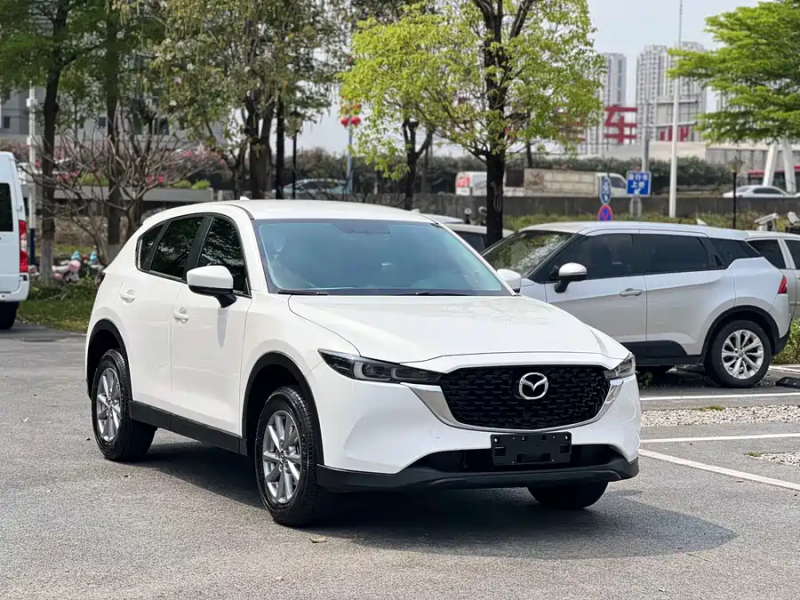
The CX-5 can serve a family well when its rear-seat access, child-seat arrangement, cargo opening and usable load floor match the household. Cargo litres differ by market and measuring standard, so test the intended luggage in the exact generation and trim.
Practicality is a geometry problem
Cargo volume is useful only when the measuring standard and loading height are known. A family usually cares about whether a pushchair, suitcases, groceries or mobility aid fit through the opening and remain secure with the required seats occupied.
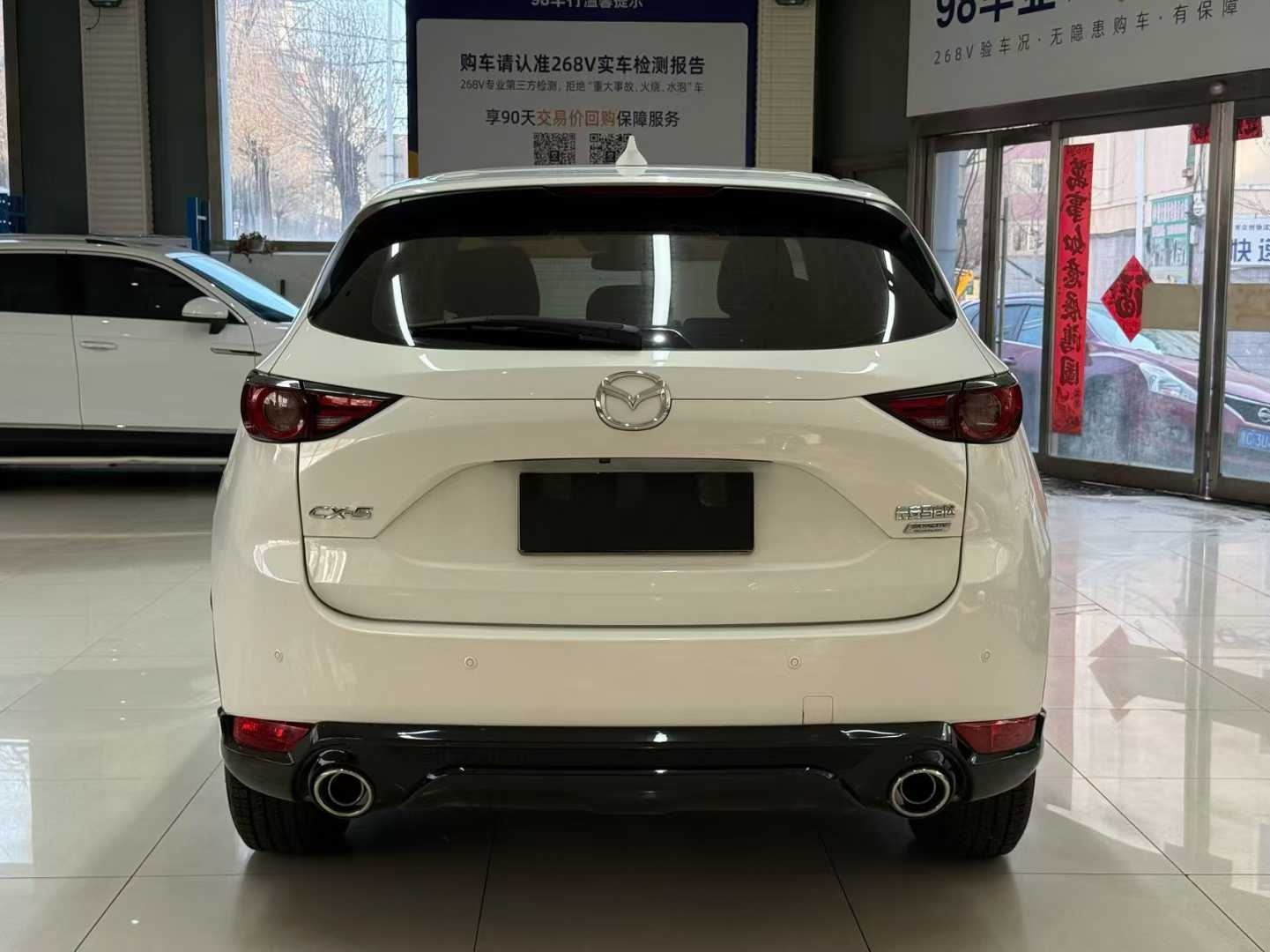
Measure the actual items and test the tailgate, cargo cover, seat split and floor. Check whether a spare wheel, audio equipment or trim package changes the usable space. Imported-market specifications should not be assumed from a brochure published elsewhere.
Family suitability also includes rear-door opening, child-seat installation, front-seat travel, climate control, charging, visibility and tyre comfort. Inspect the cabin for water ingress, damaged latches and heavily worn mechanisms that a wide-angle listing photo may hide.
Run a five-minute family fit test
Open every rear door and the tailgate, fold and restore each seat section, operate the cargo cover and inspect the spare-wheel well. Load the largest intended object and confirm the tailgate closes without forcing trim or blocking visibility. Photograph the successful layout for comparison with another candidate.
Install the intended child restraints where legally and practically possible. Check access to buckles and anchors, front-seat clearance and whether the remaining rear passenger position is usable. Restraint approval and installation must follow the seat manufacturer, vehicle manual and destination rules.
Test rear ventilation, power outlets, USB ports, lighting, camera, sensors and powered tailgate if fitted. Equipment availability changes with market and trim, so value only functions demonstrated on the candidate vehicle.
Decision table
What to verify before choosing
- 01Measure the longest and widest real items rather than relying only on a published volume.
- 02Install or trial the intended child-seat arrangement and confirm that front-seat travel remains acceptable.
- 03Test tailgate operation, split-fold seat latches, cargo cover, lighting, camera and parking sensors on the actual trim.
- 04Inspect rear doors, seals, headlining, cargo floor and spare-wheel well for heavy wear, moisture or previous repair.
A practical action plan
Passenger fit
Measure the longest and widest real items rather than relying only on a published volume.
Cargo fit
Install or trial the intended child-seat arrangement and confirm that front-seat travel remains acceptable.
Equipment fit
Test tailgate operation, split-fold seat latches, cargo cover, lighting, camera and parking sensors on the actual trim.
Condition fit
Inspect rear doors, seals, headlining, cargo floor and spare-wheel well for heavy wear, moisture or previous repair.
Which buyer profile fits?
Scenario 1
A family with one pushchair should test whether it loads without removing wheels and whether shopping still fits beside it.
Scenario 2
A buyer carrying work equipment should measure floor length, opening height and tie-down needs with seats in the required position.
Scenario 3
A long-distance family should value rear ventilation, charging, tyre condition, noise and seat comfort alongside cargo volume.
How to compare shortlisted vehicles
| Decision area | Target | Weight |
|---|---|---|
| Passenger fit | Rear access, headroom, child-seat anchors and ventilation | Mandatory match |
| Cargo fit | Opening, floor length, wheel-arch width, seat fold and cover | High priority |
| Equipment fit | Tailgate, camera, charging, climate and spare-wheel arrangement | Cost and risk |
| Condition fit | Seat mechanisms, trim, odour, water ingress and cargo wear | Final confirmation |
Mistakes that create avoidable cost
- Comparing litres measured to different height points.
- Assuming every trim has the same tailgate and rear-seat equipment.
- Ignoring child-seat access and front-seat compromise.
- Overlooking water ingress or damaged cargo trim after cosmetic cleaning.
Frequently asked questions
How big is the CX-5 boot?
Capacity depends on generation, market and measuring standard; an official Australian brochure, for example, lists its own VDA method and must not be applied universally.
Is the CX-5 suitable for three child seats?
Seat width and approved restraint positions must be checked with the intended seats and local safety requirements.
Do the rear seats fold flat?
The resulting floor and split arrangement vary by generation and trim; inspect the actual vehicle.
What family equipment should be tested?
Climate control, rear vents where fitted, charging, camera, sensors, tailgate, locks and child-seat anchors.
Reference sources
Official information is used to understand the model family. The individual VIN, documents and inspection remain authoritative for a vehicle offered for sale.
Verify the exact vehicle
Specifications vary by year and market. Match the VIN, vehicle documents, inspection findings and manufacturer service information before purchase.