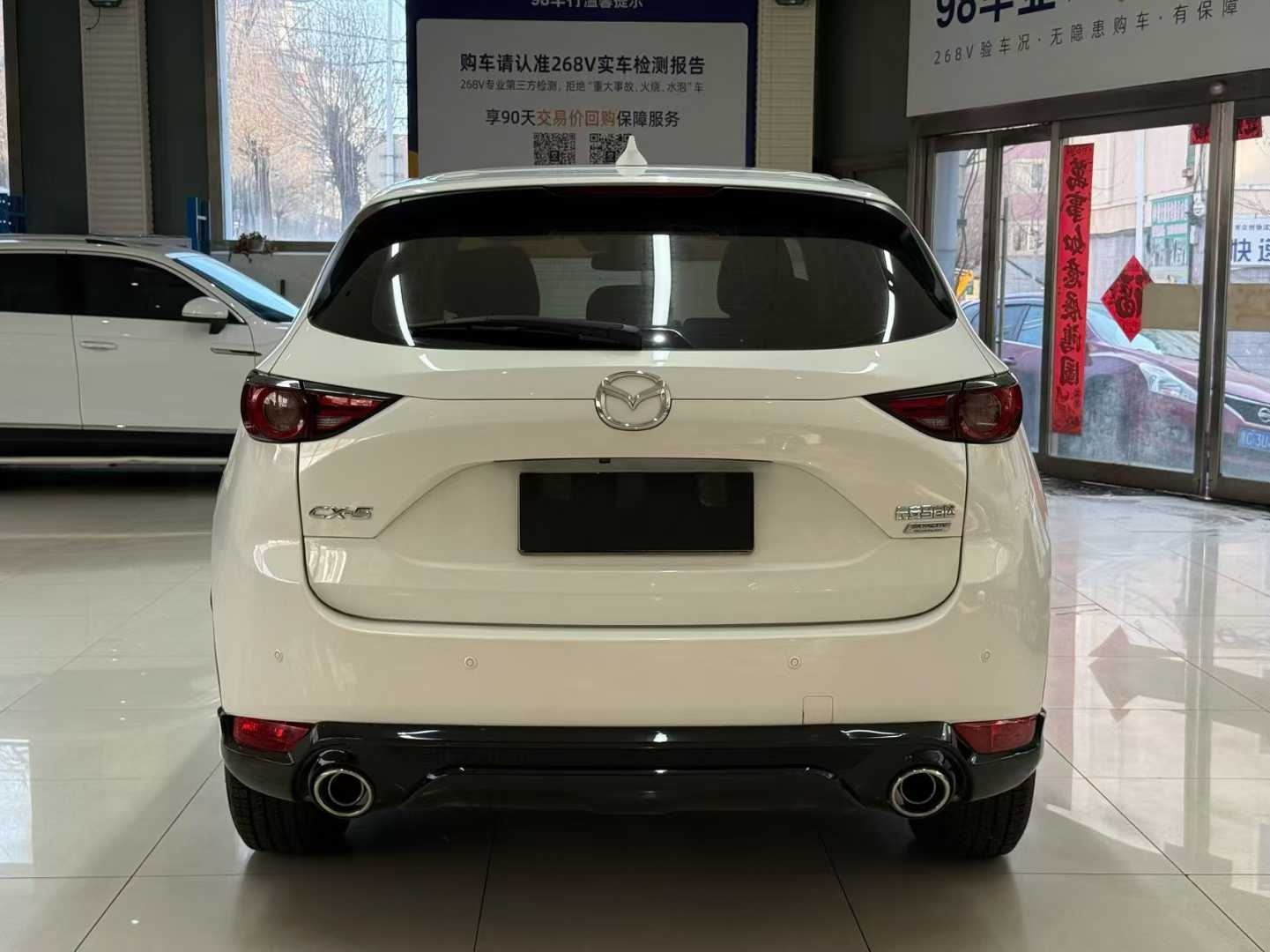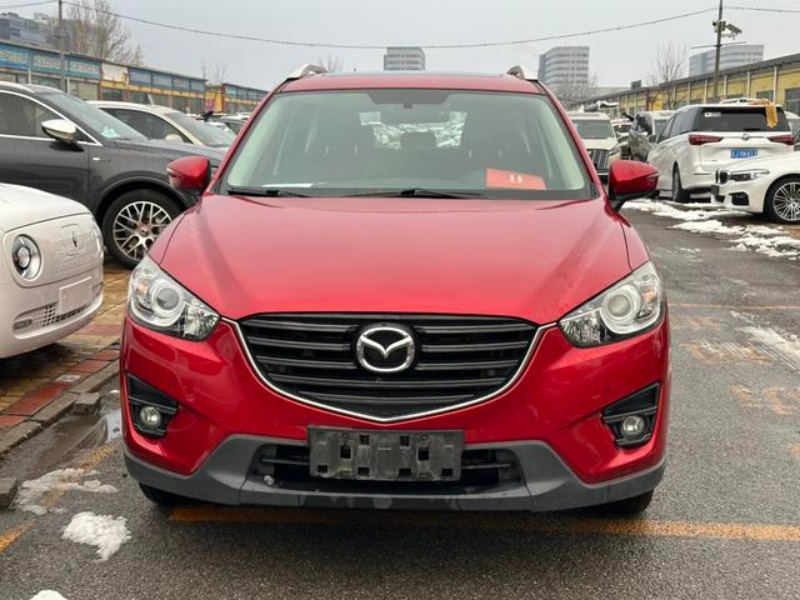
Describe the parking problem the system must solve
Measure the usual parking bay, driveway width and the space needed to open doors. Identify whether the difficult task is reversing toward an obstacle, placing the front corners or judging a narrow side clearance. These are different needs. A rear camera may answer one task without displaying the front; a surround-view system can present additional views but still has limitations. Use the city parking fit assessment to separate physical vehicle suitability from technology. Do not buy a car that is too large for the daily space solely because a camera makes it look easier to position.
Identify the installed hardware and its provenance
Request images of the camera locations, display and controls together with the build or equipment record. Check whether a replaced mirror, bumper or tailgate contains the correct component. Ask for invoices if the system was added or repaired. Mazda owner documentation labels equipment according to the models on which it is installed; a feature in a handbook is not proof that your car has it. Use the fitted-system assessment to connect switches with actual hardware. Undocumented wiring and a foreign display package need an installation review rather than being accepted as a factory upgrade.
Run a safe daylight acceptance trial
Clean the lenses and use a controlled area with a stationary, visible test object where permitted. Check that the relevant views appear consistently, that guide lines behave as expected for the fitted system and that the image is usable in normal lighting. Compare the screen with direct observation. Do not use people or children as test obstacles, and do not rely on a camera to justify moving into an unseen area. Record any black view, flicker, unexpected colour change or significant distortion. A system can look good in a still photograph while failing intermittently during repeated selection.
Look at poor-light usability without claiming perfect detection
Evaluate image clarity in ordinary lower-light conditions when safe, including glare and dirty-lens effects. Do not interpret a sharp-looking screen as proof that every low object or moving road user will be visible. A stitched overhead presentation is a constructed view rather than a literal camera floating above the car. Ask the inspector to explain unviewable areas and confirm the correct operating instructions. The driver must still use direct checks and appropriate mirrors. If a seller claims the system removes every blind spot, treat that as an unsupported statement rather than a purchase benefit.
Connect camera concerns with repair history
Investigate poor alignment or inconsistent views following body, mirror or tailgate repair. A warning-free display does not prove that replacement parts or any required calibration are correct. Ask a qualified workshop what checking and setup apply to the exact system. The body and water-damage assessment provides wider context when camera wiring or mounting areas show unusual work. A camera fault can be an isolated equipment issue, but unexplained repair evidence may justify extending the inspection. Do not describe a software reset as a guaranteed cure before diagnosis.
Price the option as a supported complete system
Obtain a destination estimate for a known fault or proposed installation, including components, labour and any required setup. Compare availability for the actual original-market hardware. A low-priced aftermarket kit may use a different display, wiring and support route from the factory arrangement. Confirm how it affects existing phone, audio and controls. The parts compatibility process helps avoid ordering by year alone. Keep the installation proposal separate from the vehicle offer; a promised future upgrade should not be counted as an already supplied feature.
Decide the premium only after the parking and condition trial
Choose surround view when it addresses a recurring task, functions correctly and has an acceptable support path. A rear-camera car can be better value when visibility meets the brief and overall condition is stronger. If camera equipment is essential, record its successful trial in the purchase conditions rather than relying on the trim badge. If it is optional, do not overlook major mechanical or structural issues to obtain it. The comparison should lead to a usable daily parking plan, not a belief that additional cameras make careful observation unnecessary.
Decision record
Evidence checklist
- Actual camera locations recorded
- Daylight and safe low-light trial
- Repeat selection without intermittent loss
- Repair or retrofit provenance
- Destination parts and setup estimate
Buyer questions
Does a 360 camera eliminate every blind spot?
No. Follow the applicable instructions and retain direct observation and mirror checks.
Can a trim badge prove the camera package?
No. Confirm installed hardware and operation, including any repairs or modifications.
Reference and inspection scope
Owner documentation is equipment- and market-specific. Verify the actual installed system. Inspection advice does not replace the driver’s direct observations or a qualified repair and setup assessment.
Mazda US 2025 owner handbook: use only applicable fitted-system instructions
Verify the exact vehicle
Specifications vary by year and market. Match the VIN, vehicle documents, inspection findings and manufacturer service information before purchase.