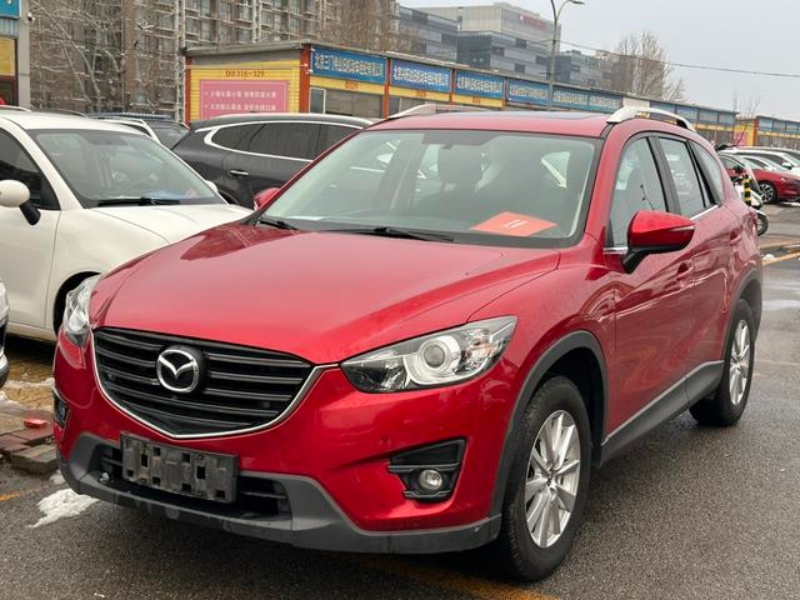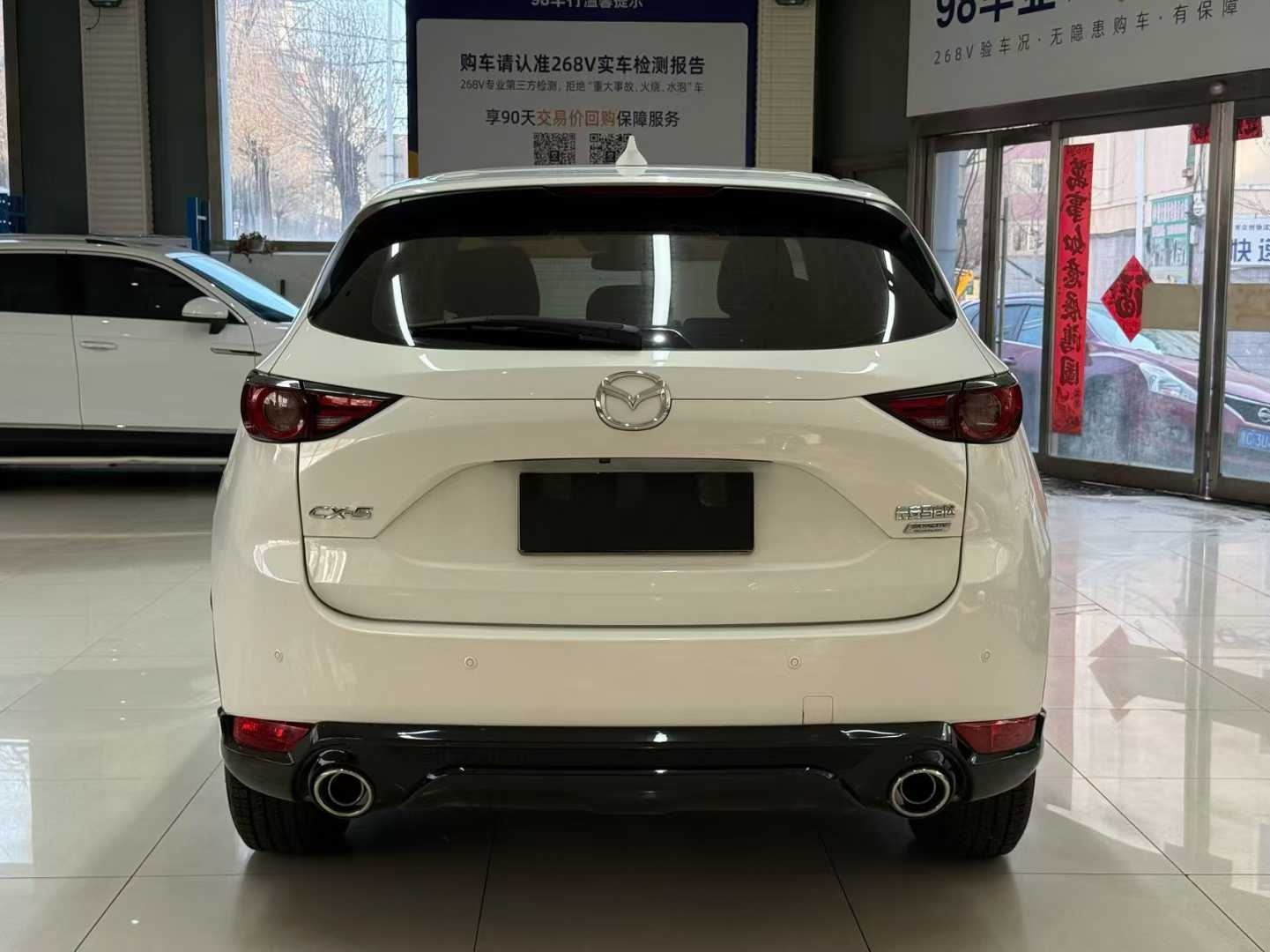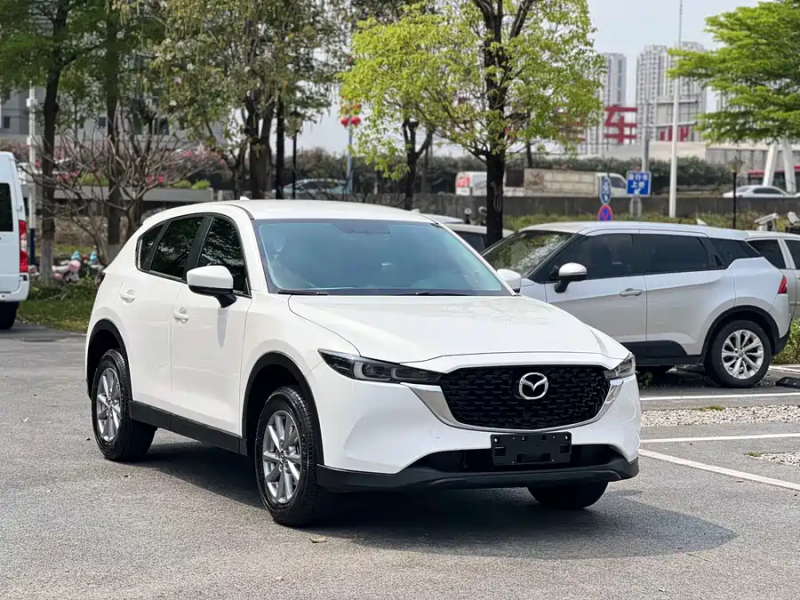
Measure the parking environment before the vehicle
Record usable bay length and width, entrance restrictions, pillars, ramps and the space needed to turn toward the bay. Note which boundary is a fixed wall rather than another car that may move. Allow for opening doors and loading passengers, not just leaving the vehicle stationary. If the parking space is shared, measure its realistic operating conditions rather than a temporarily empty area. A garage access ramp can also impose height or ground-clearance constraints. These measurements make the shortlist actionable: the seller or inspector can investigate a defined space instead of answering a vague question about whether CX-5 is easy to park.
Use dimensions from the actual generation and market
The current Chinese manufacturer comparison shows body dimensions of 4,575 by 1,842 by 1,685 millimetres for its stated range. That reference is not universal across historical or overseas CX-5 vehicles, and body width should not be assumed to include mirrors. Obtain the candidate’s matching dimensions, mirror span and any roof-accessory height. The generation guide keeps the reference attached to the right car. If a tight clearance depends on a few centimetres, arrange a physical measurement rather than rounding a brochure number or relying on a photograph.
Trial door opening and ordinary passenger access
Park in a representative safe position and check driver exit, rear-door access and loading tasks. Use the normal seat position. If child seats are part of the brief, assess adult access for installation and fastening under the restraint instructions. A car may be acceptable for one driver while unsuitable for an older passenger or a frequent rear-seat task. The restraint fit assessment complements the parking trial. Do not solve a daily access problem by assuming passengers will always get out before parking if that routine would be impractical or unsafe in the real location.
Evaluate manoeuvring without inventing a turning-circle figure
Ask for a permitted low-speed trial that resembles the route into and out of the bay. Check steering operation, visibility at the corners and the number of practical repositioning movements. If a precise turning measurement is required, obtain the applicable specification or a controlled measurement from a qualified party. Do not transfer a value from a different generation. Avoid testing by contacting kerbs or squeezing through uncertain hazards. Document any fault separately: heavy or inconsistent steering, warnings or unusual noises need diagnosis, not a conclusion that all CX-5 vehicles are difficult to manoeuvre.
Check cameras and sensors as assistance, not a clearance guarantee
Confirm which equipment is fitted and how it performs with clean lenses in ordinary conditions. The rear-versus-surround-camera comparison helps decide whether the additional views solve the particular task. Ask the inspector to explain blind areas and warning limitations. Direct observation remains necessary; do not test obstacle detection using people or expect every small object to be shown. A system that occasionally fails or misrepresents a repaired camera needs investigation before approval. Cameras cannot compensate for a bay that is physically too short or leaves inadequate door-opening room.
Consider the costs of an awkward daily fit
A marginal parking arrangement can increase time, inconvenience and exposure to cosmetic damage, even where the car technically fits. Ask whether a smaller CX-30 alternative would meet passenger and load requirements without the same compromise. Compare actual vehicles rather than assuming all smaller cars solve the problem. If mirrors must be folded frequently, verify the function and consider what a failure would mean for access. Keep potential accessory changes or parking-camera upgrades as separately quoted proposals. A purchase discount does not permanently repair an unsuitable parking environment.
Record the pass criteria before choosing a candidate
The useful outcome is a measured fit with workable entry, exit, loading and safe manoeuvring. State whether the trial used the actual parking location, a comparable location or remote measurements; these are different levels of evidence. Retain photographs or a simple dimensional sketch without exposing unnecessary personal address details. If a critical measurement is missing, keep the purchase conditional. Approve a CX-5 when the regular task is practical, not merely because a seller once parked it in a tight space. A sound decision should remain workable with the normal passengers, objects and neighbouring vehicles.
Decision record
Evidence checklist
- Bay and approach measured
- Exact-generation dimensions
- Mirror and accessory height checked
- Door and passenger trial
- Safe camera and manoeuvring assessment
Buyer questions
Does the quoted body width include mirrors?
Do not assume so. Confirm what the applicable specification measures and obtain the actual mirror span.
Can a 360 camera make an undersized bay suitable?
No. It can assist observation but cannot change body size or door-opening requirements.
Reference and inspection scope
The Chinese reference is a dated current-range example, not a dimension guarantee for every CX-5. Physical measurements and safe trials must establish the actual parking fit.
Changan Mazda current-range dimensions: verify actual candidate
Verify the exact vehicle
Specifications vary by year and market. Match the VIN, vehicle documents, inspection findings and manufacturer service information before purchase.