Define what changed since the original approval
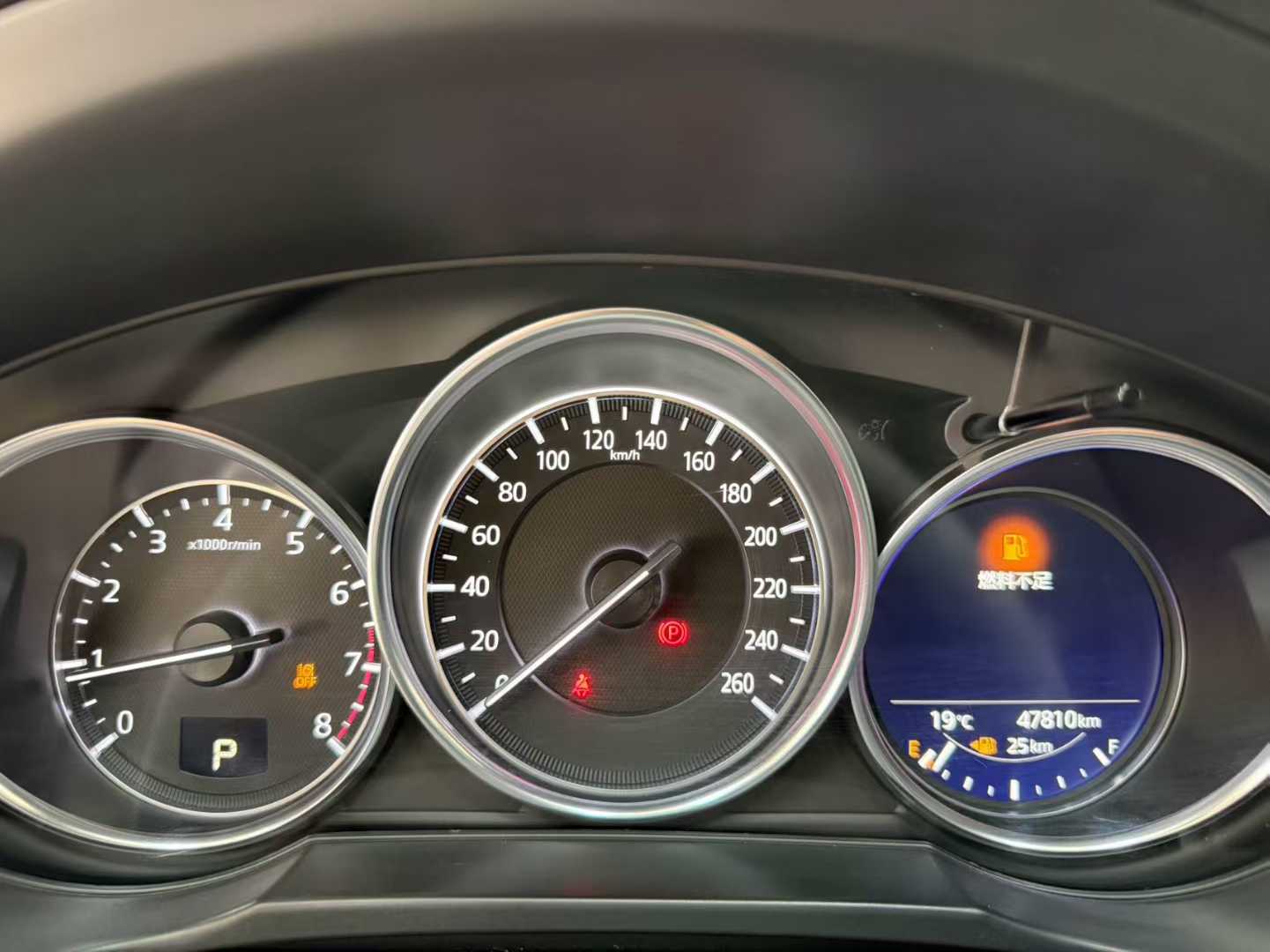
Record the first inspection date, approved mileage, storage location and subsequent preparation or movement. Ask who held the vehicle and which parties carried out work. This establishes what the reinspection should investigate. A long interval, an equipment repair or unexplained extra mileage may justify a more extensive assessment. The original inspection scope remains the baseline, but the handover task concerns changes after that baseline. Do not describe a report copy with a new cover date as a fresh assessment. Retain the original so a later difference can be explained rather than hidden.
Confirm the same vehicle and supplied items
Match VIN, production identity, registration-related records and the final commercial schedule. Check supplied keys, documents, emergency equipment and agreed accessories. In a batch, perform the reconciliation separately for every car through the per-VIN schedule. Record whether loose items may travel under the chosen carrier’s rules; do not assume luggage or spare parts can be left inside. If an item has been removed for transport or will be supplied separately, document that arrangement. The physical handover should not depend on remembering an earlier sales message about what was included.
Compare body condition with the original evidence
Use consistent photographs of accessible exterior panels, glass, wheels and cabin areas, with date and identifier context. Inspect damage-prone areas affected by preparation or inland movement. Record a new scratch separately from an old disclosed repair. Where a difference suggests structural or water exposure concerns, obtain an appropriate professional assessment rather than a quick visual sign-off. The damage investigation remains available for escalation. Avoid claims that photographs detect every concealed fault; record coverage and limitations. A good handover file provides traceable observations, not a universal damage-free guarantee.
Verify agreed repairs and essential functions again
Reconcile invoices and replaced components with the approved work list. Test the relevant repaired function and any linked systems under appropriate conditions. A new screen should still support the agreed controls and phone trial; a cooling repair requires the qualified repeat assessment specified in the work scope. Use the cooling concern process where applicable. Confirm ordinary locks, windows, starting and supplied keys without creating unsafe testing conditions. If the required trial cannot be completed, record that limitation and obtain an explicit decision instead of marking the task passed from paperwork alone.
Prepare for storage and carriage using actual instructions
Confirm carrier requirements, allowed fuel state, alarm or immobiliser arrangements, access keys and any required preparation. Follow the applicable vehicle and professional transport instructions rather than issuing a universal battery-disconnection rule. The battery and storage assessment helps identify existing low-voltage concerns before another inactive period. Do not leave a fault hidden by temporary external starting support. Record how the car was handed over so destination recovery can be planned. Preparation for transport is not permission to bypass safety equipment or conceal warning conditions from the carrier.
Create a joint, dated handover record
Identify the releasing party, receiving carrier or handler, location, time, mileage and accessible condition observations. Reconcile consignment identifiers with the vehicle list and transport booking. State exceptions visibly and retain the agreed supporting photographs. The shipping plan should explain who receives notices and handles questions. A signed handover record can support later investigation but does not override contract or insurance requirements. Avoid exposing unnecessary identity details in public material. Keep the file available to the buyer, relevant logistics parties and destination inspector through appropriate private channels.
Close discrepancies before assuming the car is ready
Resolve new damage, missing items, unexplained mileage or incomplete repairs with the responsible party. Agree whether to pause shipment, obtain a retest, replace an item or revise acceptance; use the actual contract and professional advice for financial consequences. Do not send the car simply because freight is booked if an essential issue remains unresolved. At arrival, compare the delivered vehicle with the latest record rather than only the earliest inspection. The reinspection makes the condition chronology more useful, but it is not a guarantee that no transit event or concealed defect can occur after release.
Decision record
Evidence checklist
- Original and final mileages
- VIN and supplied-item reconciliation
- Comparable condition photographs
- Approved work and retest evidence
- Dated release and carrier handover
Buyer questions
Is the original purchase inspection enough for every later shipment?
Not necessarily. Subsequent work, storage and movement can change condition and justify reinspection.
Does a handover report guarantee no arrival damage?
No. It records observations at a defined time and supports later comparison within its limitations.
Reference and inspection scope
The handover method records observations and responsibilities. Confirm actual carrier rules, contract terms and qualified inspection requirements; it does not certify freedom from concealed faults or later transit damage.
Verify the exact vehicle
Specifications vary by year and market. Match the VIN, vehicle documents, inspection findings and manufacturer service information before purchase.