RoRo shipping
Roll-on/roll-off can be efficient on supported routes. Sailing frequency, vehicle acceptance rules and personal-item restrictions vary by carrier and port. After unloading, the first-service plan for an imported CX-5 separates transport evidence from overdue maintenance and storage recovery.
Container shipping
Containers may suit routes without RoRo service or buyers combining vehicles, but loading, securing and destination handling must be included in the comparison.
Information needed for a quote
Provide destination port, vehicle dimensions if requested, desired timing and whether the quote should include inland delivery, port handling, documentation and marine insurance.
Quick answer
The shipping choice is normally RoRo versus container, subject to route availability, carrier acceptance, vehicle status, schedule and destination handling. Compare complete port-to-port scopes and not just the headline freight number.
Compare the whole transport plan
RoRo quotes should identify terminals, service basis, booking window and excluded charges. Vehicles normally must be operational and comply with carrier rules for fuel, alarms, keys and personal items.
Container quotes should explain loading, securing, equipment size, consolidation, terminal handling and unloading. Container transport is not automatically safer; poor loading or unclear destination handling adds risk.
Add collection, documentation, cutoff, waiting, transshipment and release to advertised transit. Record condition at handovers and retain booking and bill-of-lading information with the VIN file.
Protect the vehicle handover
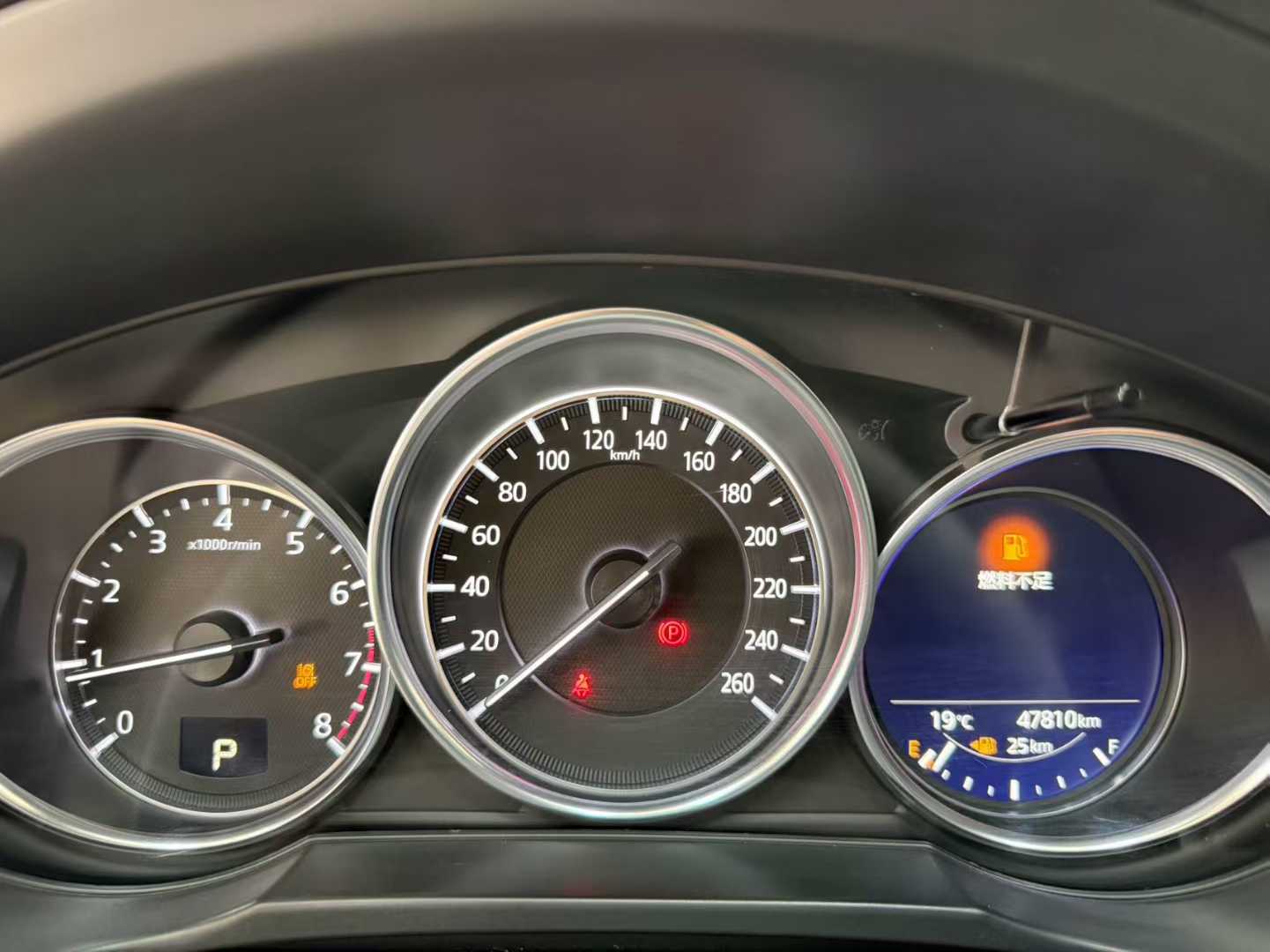
Before collection, photograph panels, glass, wheels, cabin, odometer, keys and any existing marks. Repeat the condition record at the terminal when access permits. Remove unsupported loose items and follow carrier rules for fuel level, alarms and batteries. Keep booking references tied to the VIN.
Review destination free time, storage, release procedure and required originals before sailing. A short sea transit can still produce a long delivery if documents arrive late or charges are unpaid. Quote comparison should therefore include expected door-to-release time and responsibilities, not only days at sea.
Insurance should name the insured value, voyage, exclusions, deductible and evidence needed for a claim. Ask when risk transfers between seller, inland carrier, terminal and ocean carrier. Photographing damage is useful only when the claim procedure and responsible stage are also understood.
Confirm how many keys and documents travel with the vehicle and how they will be released. Record the operational state at loading, because a non-running vehicle can attract extra handling and may be refused on a service booked for running cargo.
Decision table
What to verify before choosing
- 01Confirm the carrier accepts the vehicle type and fuel or battery status.
- 02Record vehicle condition and removable items before port handover.
- 03Check loading, lashing, terminal and destination charges in container quotations.
- 04Verify consignee details and document deadlines before departure.
A practical action plan
RoRo
Confirm the carrier accepts the vehicle type and fuel or battery status.
Container
Record vehicle condition and removable items before port handover.
Quote inputs
Check loading, lashing, terminal and destination charges in container quotations.
Control documents
Verify consignee details and document deadlines before departure.
Which buyer profile fits?
Scenario 1
RoRo can be efficient for one operational CX-5 on a direct supported route.
Scenario 2
Container can make sense where RoRo is unavailable or several units are consolidated.
Scenario 3
A transshipment route may trade lower cost for longer time and more schedule risk.
How to compare shortlisted vehicles
| Decision area | Target | Weight |
|---|---|---|
| RoRo | Vehicle rolls aboard; route- and carrier-dependent | Mandatory match |
| Container | Vehicle is loaded and secured inside equipment | High priority |
| Quote inputs | Origin, destination, vehicle details, timing and inclusions | Cost and risk |
| Control documents | Booking, condition record, bill of lading and release instructions | Final confirmation |
Mistakes that create avoidable cost
- Comparing freight without terminal costs.
- Leaving personal goods in the vehicle contrary to carrier rules.
- Missing document cutoffs.
- Assuming the fastest advertised transit equals total door-to-port time.
Frequently asked questions
Is RoRo safer than container?
Risk profiles differ; carrier, route, handling and securing quality matter.
Can vehicles share a container?
Sometimes, subject to safe loading, regulations and the logistics provider.
Is marine insurance included?
Not automatically. Confirm coverage, insured value, exclusions and claims procedure.
When is freight fixed?
Only when the provider issues a dated booking or quotation with stated validity and inclusions.
Reference sources
Official information is used to understand the model family. The individual VIN, documents and inspection remain authoritative for a vehicle offered for sale.
Verify the exact vehicle
Specifications vary by year and market. Match the VIN, vehicle documents, inspection findings and manufacturer service information before purchase.