Separate a visible trace from a diagnosed fault
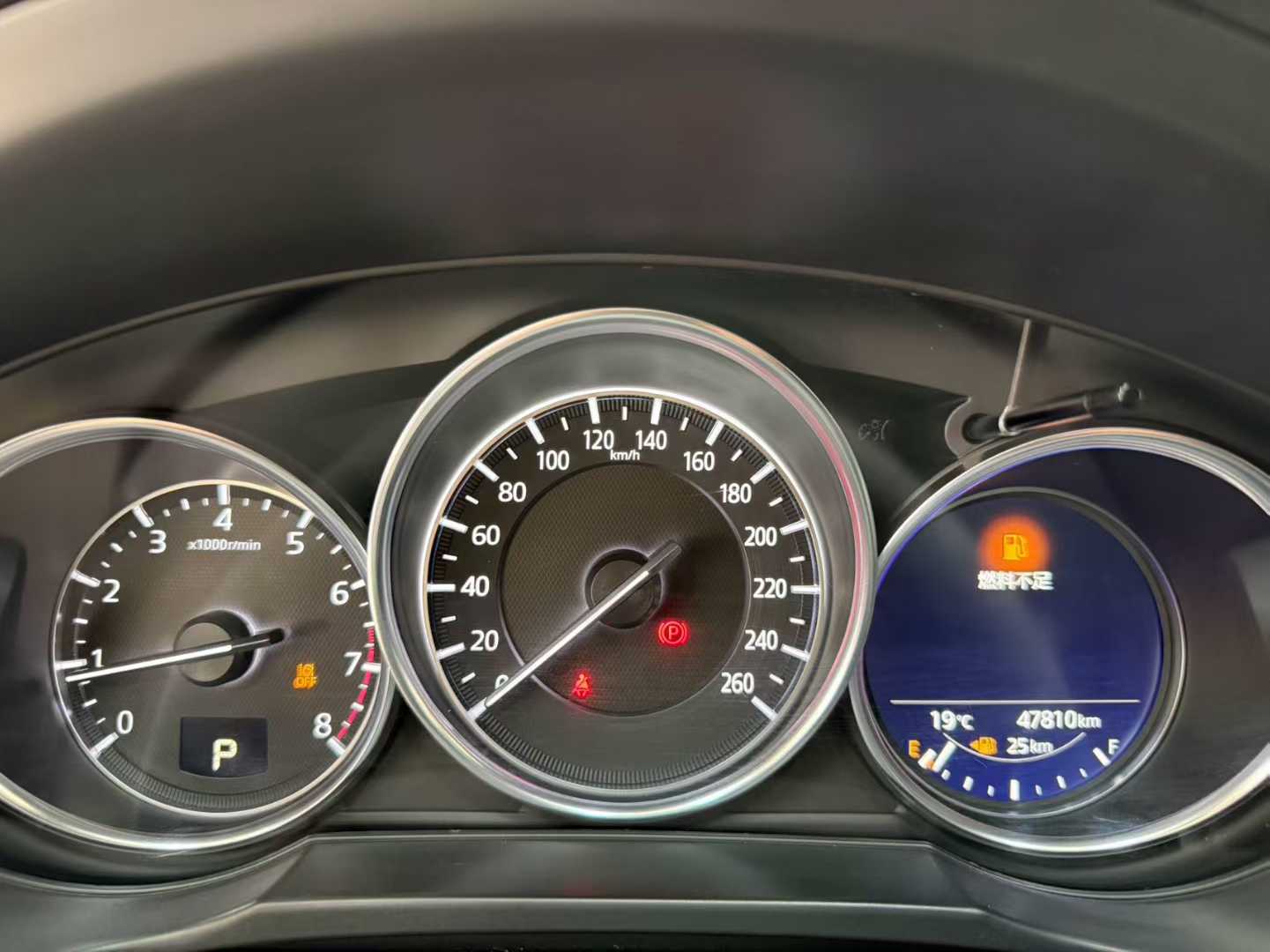
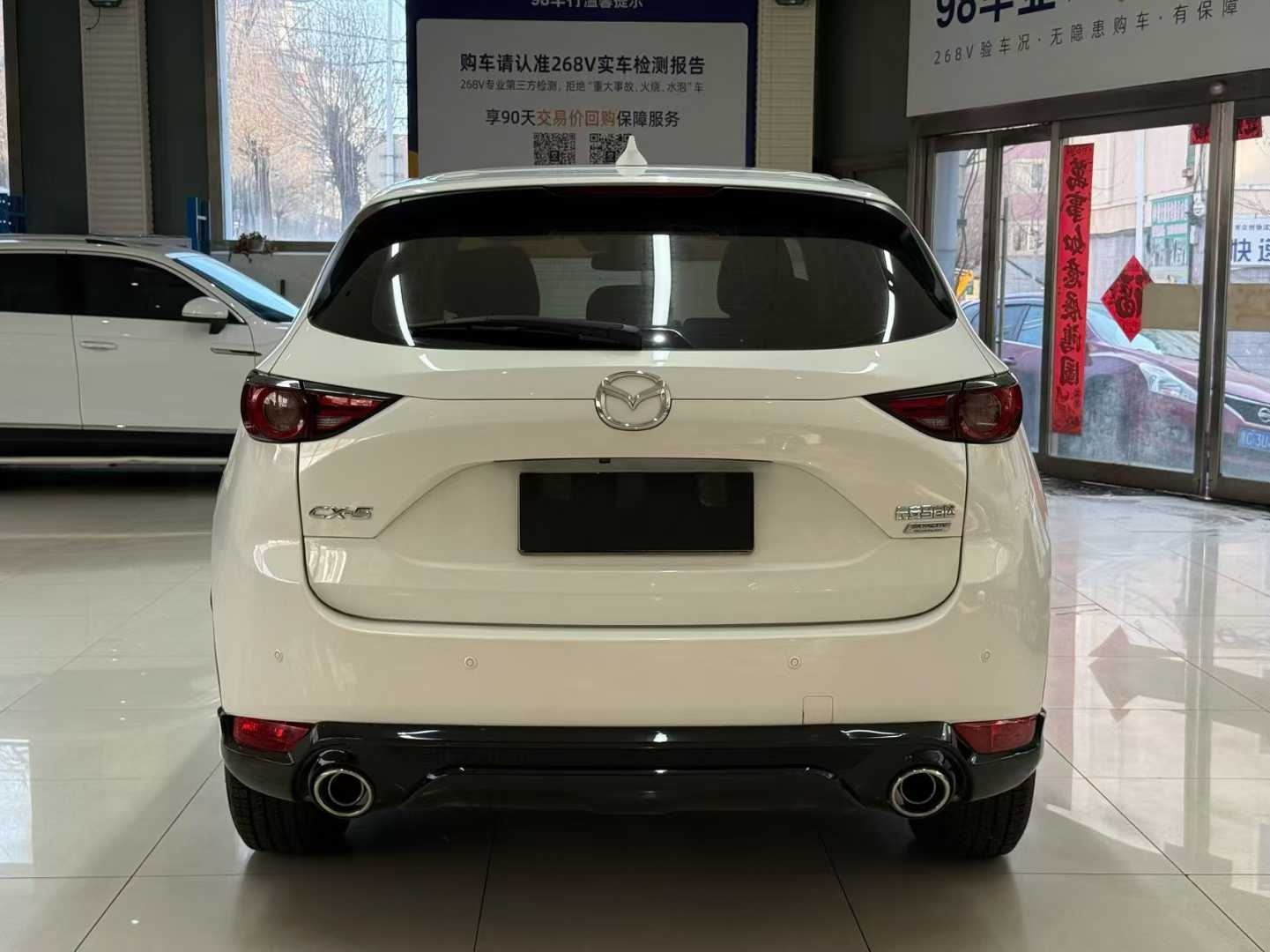
Request photographs of the suspected area and the circumstances in which the symptom appeared. Record whether there was an actual temperature warning, repeated top-up, external residue or only a seller-reported concern. These observations require different investigation and do not prove a particular internal failure. Identify the engine, original market and relevant service information before discussing known repair patterns. The symptom-versus-diagnosis guide sets the wider approach. Do not turn an online complaint about a different CX-5 variant into a conclusion that the offered vehicle has the same fault.
Keep the inspection safe when heat or warnings are present
A suspected overheating vehicle should be handled under its applicable owner instructions and by a qualified repairer. Do not remove a hot cooling-system cap or ask a seller to continue driving to demonstrate how far the car can travel with a warning. Arrange a safe professional assessment and transport where appropriate. Mazda owner documentation contains engine- and situation-specific instructions; obtain the correct version. A buyer should not diagnose an active cooling complaint through improvised roadside experiments. The purpose of pre-purchase testing is to preserve evidence and prevent additional damage, not to provoke a more dramatic demonstration.
Ask for an investigation that identifies the source
Have a competent technician decide which checks are appropriate, including external leak assessment and any further testing justified by the findings. Record equipment used, test conditions, components assessed and limitations. A fluid colour or one temperature-screen photograph is not sufficient to identify the cause. Ask whether the proposed work addresses the source or merely the consequence, and whether associated damage needs investigation. The general inspection record should show the cooling concern separately. If testing cannot explain recurring loss, retain the uncertainty rather than accepting a universal reassurance that all engines consume a little coolant.
Reconstruct any overheating and repair chronology
Obtain dated invoices, complaint descriptions, replaced-part details and the mileage at each event. Ask how long the symptoms were present, what action followed and whether they recurred after repair. A replacement radiator or hose can be legitimate work but does not prove that every related concern was checked. Conversely, a cooling repair does not automatically make the vehicle unacceptable. Compare the history with current findings and the service timeline. Distinguish a safety recall, service bulletin, extended warranty and ordinary paid repair; confirm relevance by VIN rather than assuming a foreign programme covers this car.
Require an appropriate repair and repeat assessment
Agree who will diagnose, approve and perform any work and what evidence will be supplied afterwards. A qualified technician should define the safe retest conditions. Record repeat findings after the system has operated as required, not just immediately after fluid is added. If diagnosis remains incomplete, a purchase promise based on an assumed cheap part is inappropriate. Keep any warranty terms and provider identity in writing, and verify their destination scope. The support review explains why a seller’s goodwill promise is different from confirmed manufacturer coverage.
Compare repair exposure with another actual candidate
Request a complete estimate including diagnosis, parts, labour and retest, while keeping possible additional work visible. Ask whether the destination workshop could investigate recurrence and obtain the exact components. Compare the repaired candidate with a similar car that has no unresolved cooling concern, using the same delivery basis. Do not simply subtract the price of a hose from the seller’s ask if the extent of the fault is unknown. A lower price is meaningful only when the remaining risk fits the buyer’s budget and the mechanical evidence supports the proposed resolution.
Choose accept, investigate further or reject explicitly
Accept only when the cause, work and current assessment are sufficiently documented for your requirements. Investigate further when the report identifies a specific unanswered question that can reasonably be resolved. Reject when important overheating history is concealed, symptoms recur without explanation or the necessary assessment is unavailable. These are purchasing conditions, not a blanket rule against every car with a cooling-system repair. Preserve the report and invoices for future servicing. If another VIN is substituted, begin its assessment separately rather than carrying over an approval that belonged to the repaired candidate.
Decision record
Evidence checklist
- Exact engine and symptom record
- Safe qualified assessment
- Dated repair chronology
- Repeat test findings and limitations
- Complete estimate and alternative quote
Buyer questions
Does fresh coolant prove the problem has been fixed?
No. Establish the cause and obtain an appropriate repair-and-retest record.
Should every CX-5 with a cooling repair be rejected?
Not automatically. The cause, repair evidence, current findings and remaining uncertainty determine the purchase decision.
Reference and inspection scope
Use the owner and service information for the actual engine and market. This is a purchase-evidence guide, not a diagnosis, repair procedure or statement of failure rates.
Mazda US 2025 owner handbook: obtain the applicable safety instructions
Verify the exact vehicle
Specifications vary by year and market. Match the VIN, vehicle documents, inspection findings and manufacturer service information before purchase.