Identify the Nissan generation and propulsion arrangement
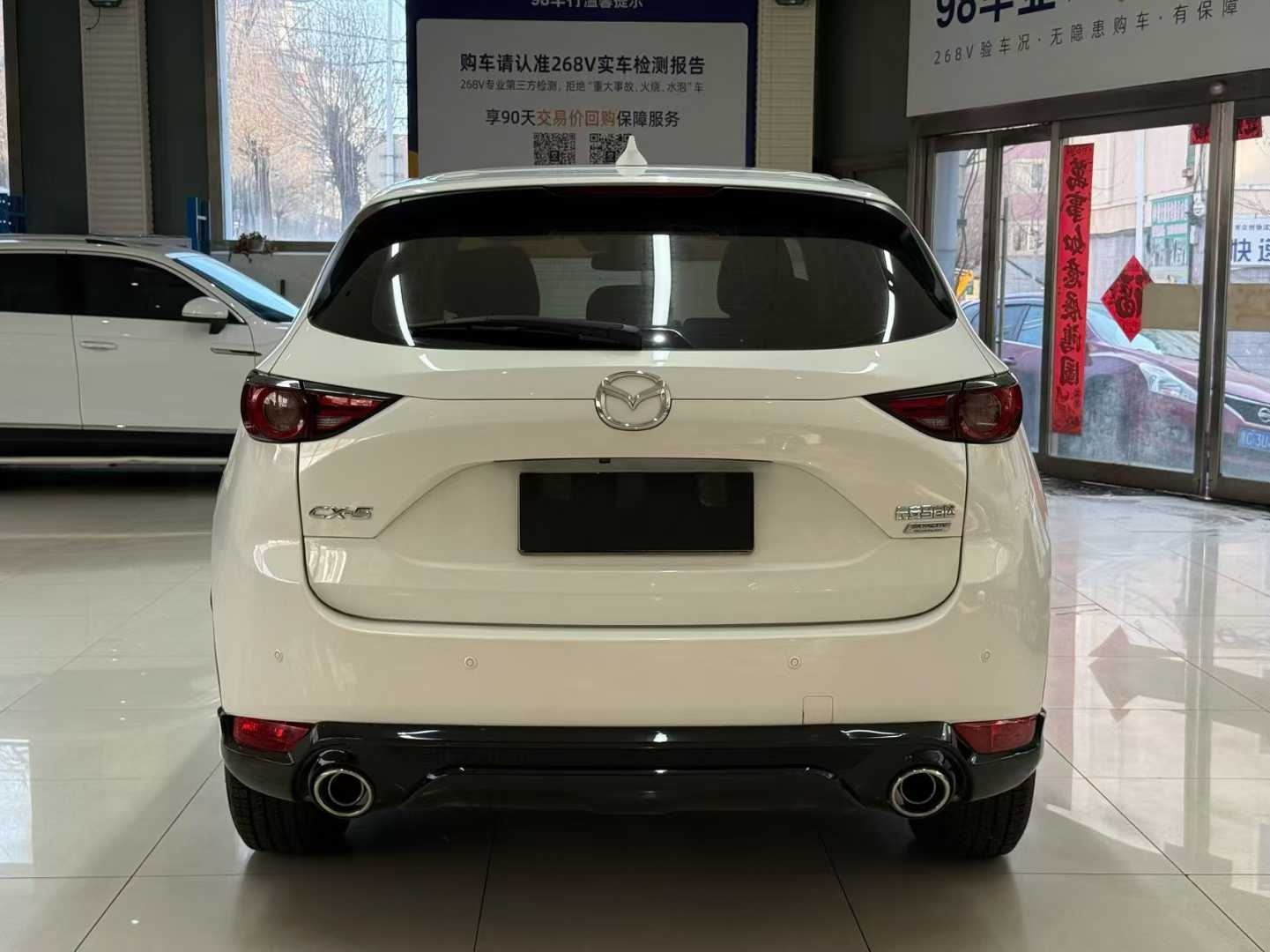
Request the production record, original-market name, engine and drive-system description. A conventional petrol X-Trail and an e-POWER vehicle do not use the same inspection and ownership assumptions. Nissan describes e-POWER as a system in which the engine generates electricity for electric propulsion; that is not simply a conventional petrol transmission with a hybrid badge. Do not label every X-Trail a CVT candidate or copy the latest system into an older offer. The CX-5 specification process should be matched by a corresponding Nissan identity file before a comparison is priced.
Confirm seats and usable space on the actual vehicle
Establish how many approved seating positions the offered X-Trail actually has and whether the intended passenger arrangement is practical. A brochure from another market does not prove a supplied third row. Trial occupants, restraints and luggage together rather than evaluating each separately with seats moved into favourable positions. The CX-5 cargo method provides the parallel measurement brief. If occasional extra seating is essential, check access, restraint instructions and remaining cargo space. A nominal seat count is not a guarantee that the intended adults or children can travel comfortably and lawfully.
Use an inspection scope appropriate to each drivetrain
For a conventional Nissan candidate, request the applicable transmission identity and qualified cold and warm assessment. For an e-POWER candidate, include appropriate energy-system diagnostics and records rather than applying a CVT test by habit. Keep AWD hardware and any electric drive distinctions visible. The CX-5 needs its own gearbox road trial, not a report copied from the Nissan. Ask what the diagnostic tool can actually inspect and which checks were omitted. A quiet demonstration or a seller’s generic hybrid certificate cannot establish the health of all installed systems.
Test visibility, controls and passenger use on the same route
Set the normal driving position, trial mirrors and cameras, and compare ordinary parking manoeuvres safely. Evaluate steering response and ride on representative surfaces with appropriate tyres and pressures. Keep the load and route similar, recording configuration differences that prevent a controlled comparison. The parking worksheet helps connect exterior dimensions with actual access. Do not let a stronger preference for one dashboard layout conceal a missing essential feature or an unexplained mechanical symptom. A car that fails the normal family or parking task should be excluded even if its road feel is appealing.
Estimate fuel cost without mixing propulsion assumptions
Use original-market test information only with its stated standard and configuration, then estimate a range for the intended route. An e-POWER vehicle is not automatically a plug-in vehicle; do not add imagined daily charging savings to its budget. A conventional petrol comparison should use the actual engine, drive system and consumption evidence. The fuel-unit conversion guide avoids mixing measurement systems. If data cannot establish the route advantage, keep the scenarios open. A manufacturer’s broad technology explanation does not prove a particular used car will achieve a fixed economy result in another country.
Ask who can maintain the chosen system at the destination
Get written workshop responses for both exact variants, including diagnosis, parts identification and any specialist work. Price known preparation and establish availability for unusual components. The parts-support questions show why model names alone are insufficient. If a Nissan variant is unfamiliar locally, investigate its repair path before reserving it; apply the same standard to an unusual CX-5. Keep warranty and campaign completion separate from workshop capability. An offered warranty is not valuable if the actual provider and intended destination cannot confirm usable coverage.
Choose according to the feature that changes the task
An X-Trail can deserve preference when its verified seating arrangement or propulsion characteristics answer a real requirement and support is established. A CX-5 can be more suitable when its trialled layout, condition and complete cost provide fewer compromises. Compare preparation-adjusted delivered quotes and a retained service reserve. Do not downgrade the inspection standard to obtain extra seats or a preferred propulsion system. The final file should explain which actual vehicle passed the use case and why. That is more useful than a universal recommendation based on a nameplate’s reputation or a different-market review.
Decision record
Evidence checklist
- Nissan generation and propulsion identified
- Actual approved seats verified
- System-specific diagnostic scope
- Comparable load and parking trial
- Local support and preparation quotes
Buyer questions
Does every X-Trail use a CVT?
No. Identify the generation and actual propulsion arrangement, including any e-POWER system.
Does e-POWER automatically mean plug-in charging?
No. Do not assume a charging routine; verify the offered vehicle’s actual operating system.
Reference and inspection scope
The Nissan explanation describes the technology, not every X-Trail generation or offered VIN. Verify the actual seating, propulsion and original-market equipment before comparing costs.
Verify the exact vehicle
Specifications vary by year and market. Match the VIN, vehicle documents, inspection findings and manufacturer service information before purchase.