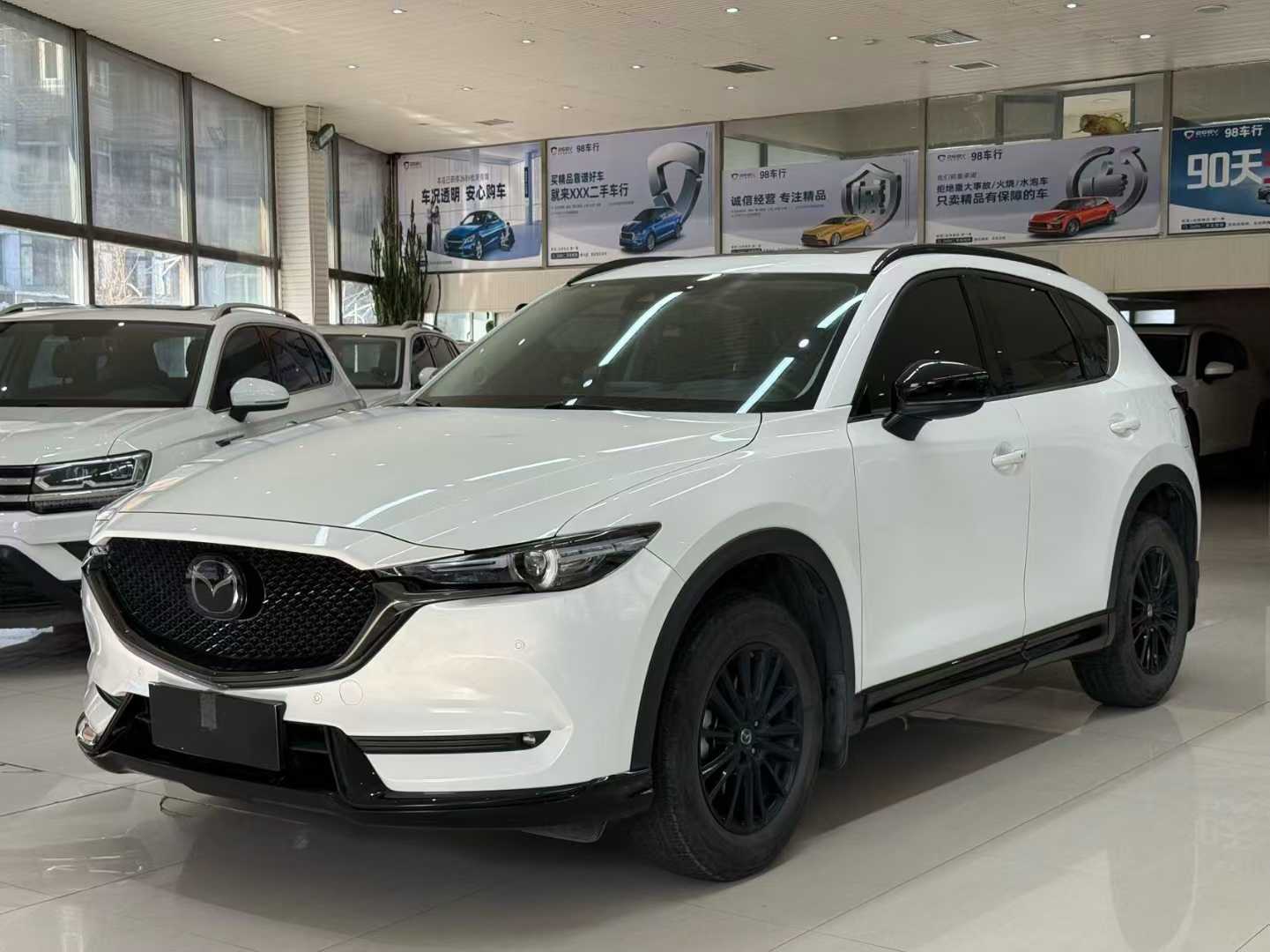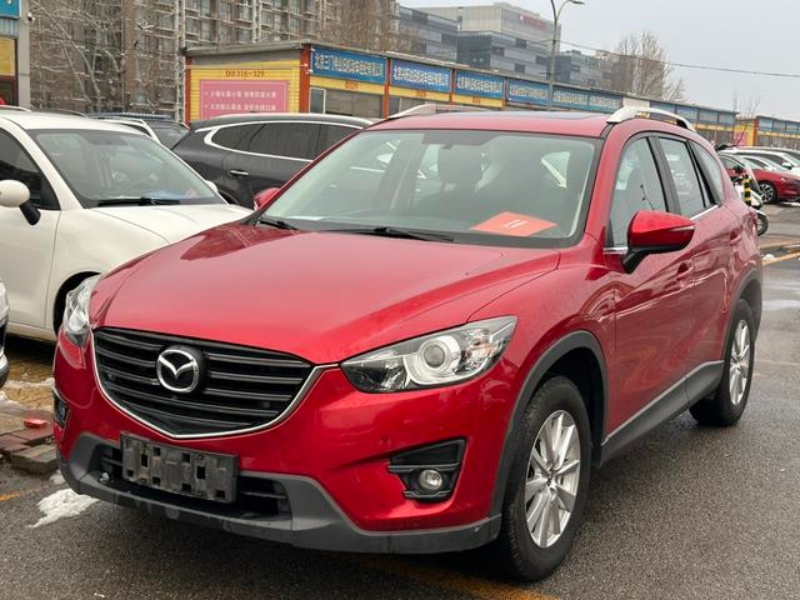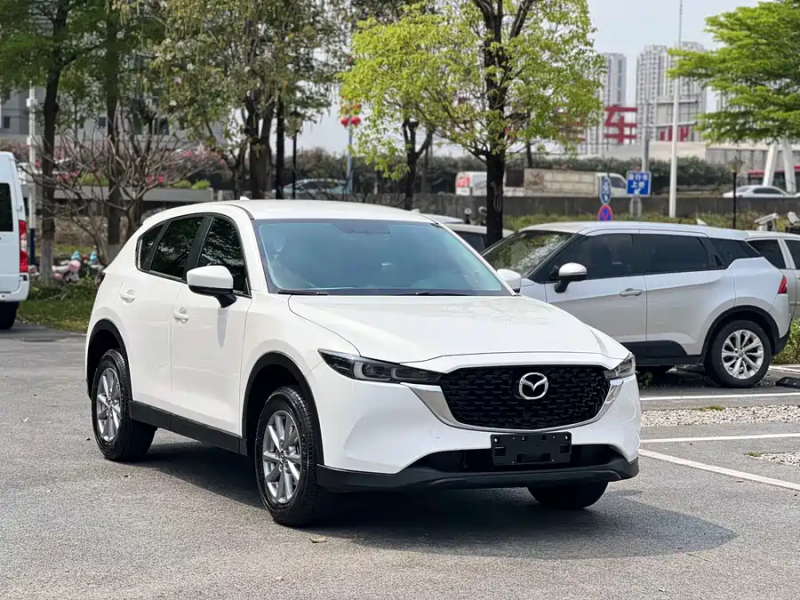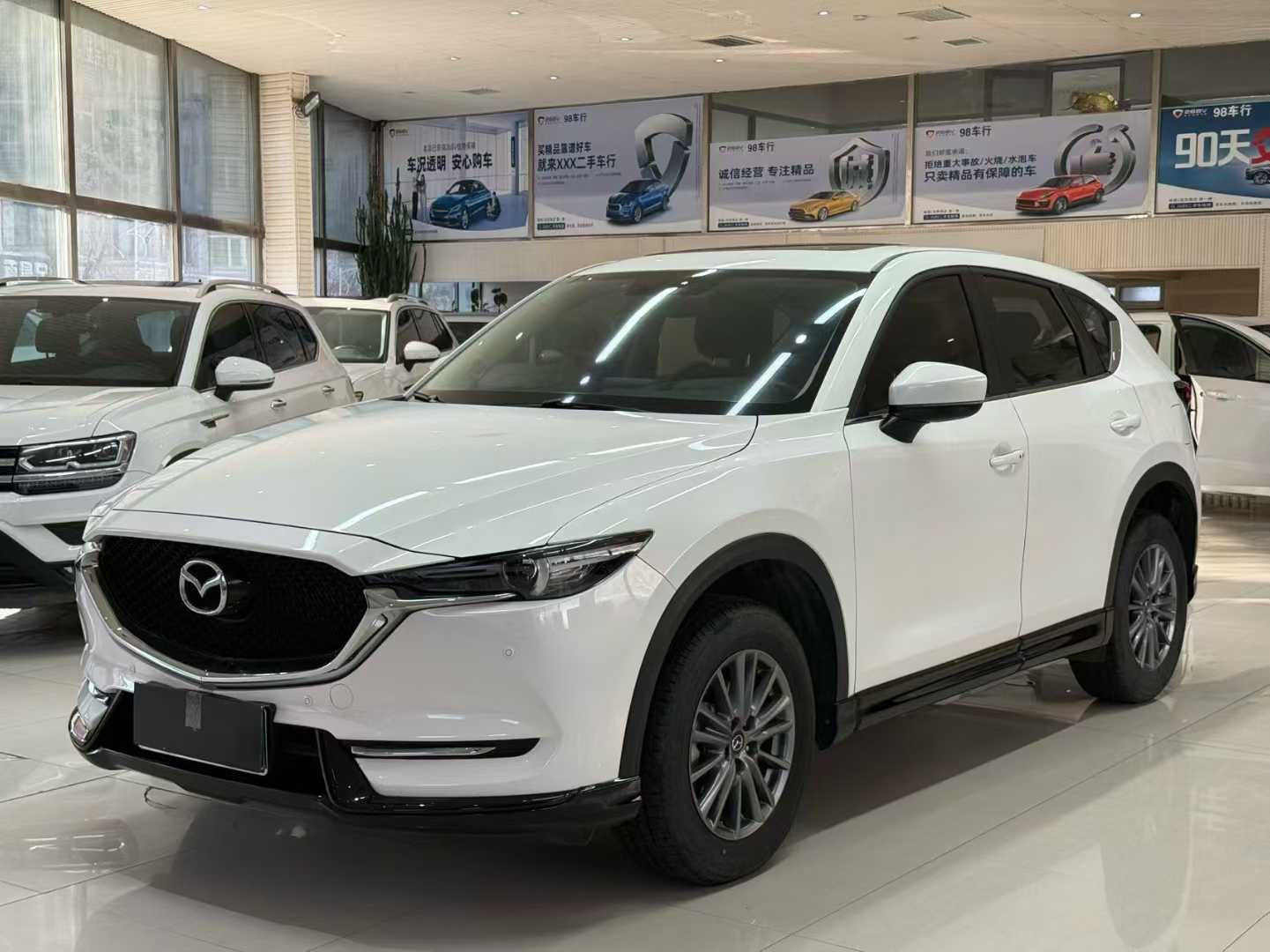
Name the Tucson variant before building the comparison
Write the original market, production date, engine, transmission, drive system and electrification status for the Tucson alongside the CX-5. Hyundai’s original-market publications illustrate that the name covers different mechanical arrangements. A conventional petrol, hybrid and plug-in hybrid do not impose the same checks. Do not use a current Australian or US table to describe a historical Chinese candidate. Record the local model designation and equipment directly. The CX-5 identity method should be matched by equally clear documentation for the Tucson before asking which provides better value.
Compare the passenger and cargo arrangement honestly
Set the same driver position and test the same rear occupants, restraints and luggage. Measure loading openings and usable floor shape with the required seats occupied. Distinguish a brochure’s maximum seat-folded volume from the family’s normal requirement. Hybrid equipment or floor arrangements can also differ within a range, so assess the actual car rather than extrapolating from another trim. The CX-5 loading assessment gives a repeatable brief. A larger published volume is useful only if the intended objects fit and safe passenger access remains practical.
Inspect each gearbox and energy system on its own terms
Ask the inspector to use the applicable procedure for the fitted transmission, not a generic automatic checklist for both brands. Investigate cold and warm engagement, warning history and service evidence. If the Tucson is electrified, add battery and energy-system checks suitable for that exact configuration. A plug-in alternative also needs a charging and destination support review; a conventional hybrid does not use the same ownership routine. The CX-5 gearbox assessment remains specific to its transmission. Neither brand reputation nor a brief quiet idle establishes the state of the other vehicle’s systems.
Convert fuel claims into the buyer’s actual route
Use comparable test standards where published figures are available, then build a route-based range rather than promising a fixed saving. Different city and highway shares can change the hybrid comparison. A plug-in car requires realistic access to charging and a stated share of electric operation. Keep fuel and electricity prices dated. The CX-5 fuel-unit guide prevents mixing US mpg, Imperial mpg and litres per distance. If credible consumption evidence is absent, use cautious scenarios and show the uncertainty instead of declaring the Tucson or CX-5 more economical everywhere.
Check technology without confusing features with support
Trial cameras, displays, phone projection, climate functions and the fitted assistance systems. Establish which services rely on an original-market account or network. A visually modern cabin can still contain unsupported connected features. Check any body or glass repairs affecting relevant sensors and request the appropriate workshop findings. For the CX-5 use the ADAS evidence review; obtain corresponding information for the Hyundai. Do not count the number of assistance acronyms as proof of better safety or assume all features can be transferred by changing the screen language.
Ask the destination workshop to price the comparison
Obtain a response about both exact variants, including service information, parts identification and specialist diagnosis where needed. Add known tyre, brake, maintenance and equipment work to equivalent delivered quotes. A low-priced imported variant can be inconvenient if no workshop can support its mechanical or electronic configuration. The import-versus-local comparison helps keep both offers within the same ownership environment. If one car is locally supported and the other depends on uncertain cross-border parts, make that difference explicit rather than burying it in a generic maintenance allowance.
Choose on the constraints that really distinguish these cars
The CX-5 may suit a buyer who confirms its powertrain, appreciates its trialled driving behaviour and has a clear service route. A Tucson can suit the brief when its verified layout or actual powertrain advantages matter and any specialist support is available. Neither choice justifies weaker structural evidence. Make a short pass/fail list followed by a complete-cost comparison. If the candidate cannot pass an essential fit or support requirement, a discount does not fix it. The final decision should describe why this specific inspected vehicle works for the buyer, not declare a universal brand winner.
Decision record
Evidence checklist
- Both original-market identities
- Tucson energy-system type confirmed
- Equal passenger and load trial
- Correct transmission inspection
- Destination workshop and delivered quotes
Buyer questions
Does every Tucson use the same automatic transmission?
No. Identify the actual market, year and powertrain before comparing inspection and maintenance.
Can a hybrid fuel saving decide the purchase alone?
No. Check its price premium, condition, support and the route on which the saving would occur.
Reference and inspection scope
The Hyundai reference is Australian and model-specific. It illustrates variant distinctions, not China-stock specifications. Both offered cars need their own build evidence and condition reports.
Hyundai 2024 Australia Tucson specifications: an original-market example
Verify the exact vehicle
Specifications vary by year and market. Match the VIN, vehicle documents, inspection findings and manufacturer service information before purchase.