Define an equivalent local alternative first
Find a real local candidate with comparable generation, engine, drivetrain, essential equipment and condition evidence. Record its asking date, seller type and included services. Do not compare an imported petrol with a locally supported hybrid without acknowledging the different system and costs. A destination car already prepared for use is not directly equivalent to a foreign vehicle still needing transfer and transport. The purchase brief establishes the common requirements. If no truly comparable local car exists, describe the availability difference openly rather than manufacturing a precise savings percentage from mismatched adverts.
Establish destination eligibility before estimating a bargain
Obtain current vehicle-specific guidance from the responsible authorities and qualified import professionals. Confirm the actual age, steering, emissions, documentation and registration questions that apply. Origin export status does not establish destination admissibility. The export sequence keeps these separate. If approval remains uncertain, mark the imported option conditional instead of treating compliance cost as a small fixed allowance. Do not reserve a car on the assumption that a familiar local nameplate guarantees the same specifications or a simple registration process. The local candidate also needs its lawful status checked, not presumed.
Put both acquisition routes on an ownership-ready basis
For the import, include purchase, inspection, preparation, origin movement, export services, freight and applicable destination charges and work. For the local car, include purchase and its own necessary inspection, transfer, preparation and delivery. The cost boundary worksheet identifies where each subtotal ends. Ask for the transport quote’s rule and named place through the FOB/CIF review. Unknown charges are not zero. Preserve quotation dates and currencies, and avoid comparing a refundable preliminary estimate with an accepted fixed amount as if both were equally certain.
Compare current condition with equal evidence standards
Arrange equivalent identity, structure, history, diagnostic and road assessments for both cars. A local test drive is convenient but does not replace examination of ownership and hidden repairs. A remote import needs defined inspection access and media, with limitations stated. The remote evidence brief supports that route. Compare due tyres, brakes, keys, maintenance and essential equipment repairs in the preparation totals. A cleaner imported car can offer a genuine advantage, but a polished advert does not establish it. Likewise, local registration does not prove complete service history or absence of accident damage.
Value support that can actually be used
Request written information about warranty provider, claims procedure and destination scope for both candidates. Distinguish manufacturer programme coverage from a dealer promise and paid workshop access. The import support assessment helps avoid valuing an overseas benefit that stops at the border. Ask who can diagnose the exact engine and electronics, obtain components and perform required setup. A local car may have a more accessible support route, but confirm it rather than assuming. If one option depends on lengthy parts transport, make the possible interruption part of the decision without inventing a universal delay estimate.
Consider time, currency exposure and flexibility
List the verified process stages before the car is usable and identify which dates are estimates. Include any actual alternative-transport expense the buyer would incur, but do not invent a guaranteed shipping duration. Check quote validity and how currency or freight changes are handled. A local purchase may allow a simpler inspection and faster handover; an import may offer unavailable equipment or a better-documented candidate. These advantages should be explicit rather than treated as a hidden price discount. If the buyer has a fixed deadline, an uncertain arrival date can outweigh a narrow central-case saving.
Choose using complete cost and a realistic adverse case
Use the three-year ownership method for both options after equivalent acquisition totals are established. As arithmetic only, an import ready for use at USD 18,000 versus a comparable local alternative at USD 20,000 leaves USD 2,000 before support, timing and ownership differences; those are hypothetical inputs, not market quotes. Test whether the advantage survives a plausible cost change. Prefer the import when verified condition, specification or total exposure provides a meaningful benefit; prefer local when complete cost or usable support is stronger. Neither purchasing route is universally the better bargain.
Decision record
Evidence checklist
- Real comparable local candidate
- Destination eligibility confirmed
- Same ownership-ready cost boundary
- Equivalent independent assessments
- Usable support and deadline review
Buyer questions
Does a cheaper China advert prove importing is cheaper?
No. Add the actual preparation, transport, destination and support differences first.
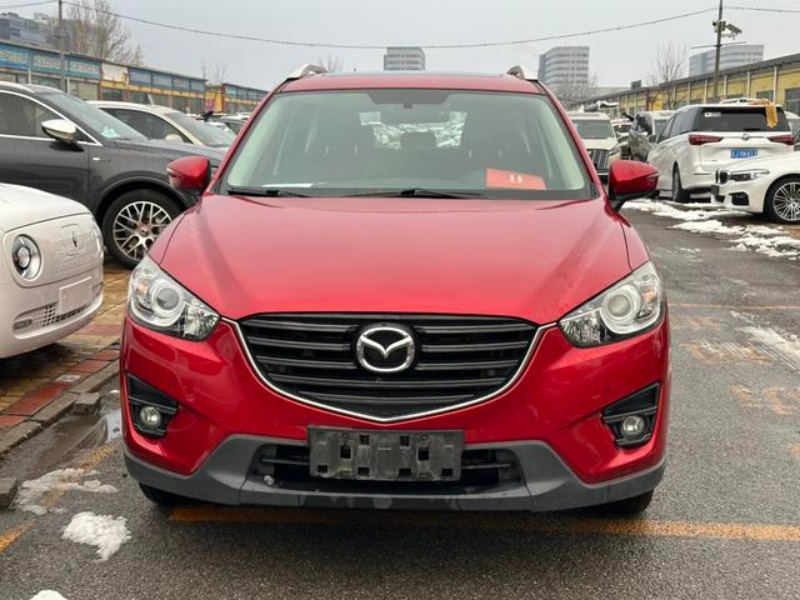
Is a locally registered CX-5 always safer to buy?
No. It still needs ownership, history and condition checks; compare evidence on both routes.
Reference and inspection scope
This is a comparison worksheet, not an import-eligibility ruling, tax calculation or price promise. Obtain current destination advice, real equivalent quotes and actual support terms before purchase.
Verify the exact vehicle
Specifications vary by year and market. Match the VIN, vehicle documents, inspection findings and manufacturer service information before purchase.