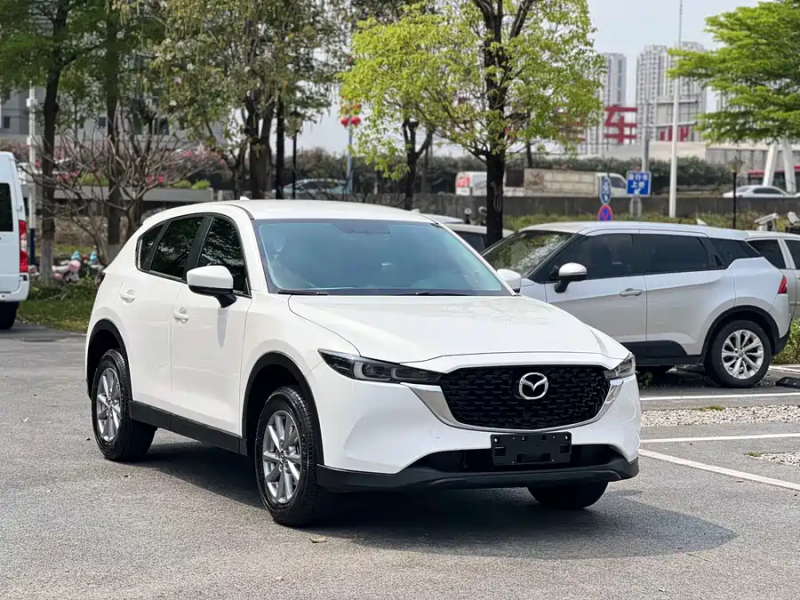
Identify the Sportage body and original-market specification
Request the production record, full designation and matching local documentation. Regional ranges can differ in body dimensions, equipment and powertrains, so do not infer a Chinese candidate from a UK listing or package name. The current Kia UK range, for example, separates petrol, hybrid and plug-in versions rather than one universal Sportage. That reference is not a China supply list. Put the CX-5’s corresponding identity beside it using the market-specific record. Resolve any translated model-name ambiguity before treating two advertisements as equivalent cars at the same price.
Make passenger access and luggage a like-for-like test
Use the same regular occupants, driver position and cargo. Check whether rear-seat adjustment changes luggage room and whether the quoted volume uses the same seat arrangement and measuring standard. Include child-restraint installation and door access if required. A panoramic roof or other equipment can alter the fit experienced by a particular passenger, so a floor-plan impression is insufficient. Apply the child-seat checks to the actual vehicle with its own manual. The useful result is a documented pass for the intended arrangement, not an abstract ranking of catalogue space.
Distinguish transmission choice from automatic convenience
Record the exact gearbox for the Kia and Mazda. Kia’s UK specification distinguishes manual, DCT and automatic hybrid arrangements within its current range. A DCT reference does not describe every Sportage, and a hybrid automatic should not be assessed as the same system. Have a qualified inspector evaluate relevant cold and warm behaviour and available service evidence. For the Mazda, use the CX-5 transmission trial. Discuss the actual traffic pattern and known symptoms before assuming that any car advertised as automatic will offer identical low-speed behaviour or repair access.
Check equipment value rather than screen size
Trial phone connection, climate control, cameras, seats and the actual fitted driver-assistance features. Establish whether upgrades are factory equipment or aftermarket additions. A high-trim Sportage can look compelling beside a basic CX-5, but missing keys, nonworking systems or unsupported services can change the value substantially. The condition-versus-equipment method avoids confusing a long feature list with a better purchase. When technology is essential, require a demonstrated function rather than a translation of an overseas brochure. Check repair provenance for components disturbed by body or glass work.
Compare operating costs using real route assumptions
Get the correct economy context for each engine and drivetrain, then estimate use on the intended route. A hybrid advantage depends on actual driving and condition; a plug-in comparison also depends on charging access. Keep the fuel-rating system and electricity cost explicit. Estimate maintenance from the correct schedule and local quotes rather than assigning a general low-cost reputation to either brand. The ownership comparison can hold both estimates over the same period. Show an adverse fuel-price or repair case if a narrow financial advantage determines the selection.
Verify both brands’ support where the car will live
Ask which workshop can diagnose the exact Kia and Mazda configuration, identify replacement parts and perform any required electronic setup. Confirm warranty claims with the actual provider rather than transferring a domestic marketing duration across borders. Keep a written response about the intended country and offered VIN. Use the imported warranty and recall questions for the Mazda and seek equivalent manufacturer evidence for the Kia. Supportability can outweigh a small purchase discount, especially when an unusual original-market variant would depend on long parts transport or unsupported programming.
Select only after known preparation has been priced
Add verified mechanical and equipment work to both delivered quotes. Distinguish cosmetic improvements from required safety repairs. Keep uncertainty visible where a test or record is missing. Choose the Sportage when its verified practicality or configuration better serves the task and support is adequate; choose the CX-5 when its condition, trialled use and complete cost provide the stronger result. Reject either when unresolved identity or structural issues remain. Preserve both comparison sheets so a later change in freight or candidate availability can be assessed without rebuilding the decision around brand preference.
Decision record
Evidence checklist
- Sportage market and body confirmed
- Actual gearboxes identified
- Same passenger and luggage trial
- Essential technology demonstrated
- Preparation and support costs compared
Buyer questions
Can UK Sportage specifications identify a Chinese car?
Not by themselves. Obtain the applicable local record and verify the offered vehicle.
Is a longer factory warranty automatically useful on an export?
No. Check the actual provider, VIN terms and destination coverage before valuing it.
Reference and inspection scope
The UK Kia range is a reference for that market, not China inventory or a historical specification guarantee. Vehicle condition, service access and quoted ownership costs must be established separately.
Kia UK Sportage specification: market-specific powertrain distinctions
Verify the exact vehicle
Specifications vary by year and market. Match the VIN, vehicle documents, inspection findings and manufacturer service information before purchase.