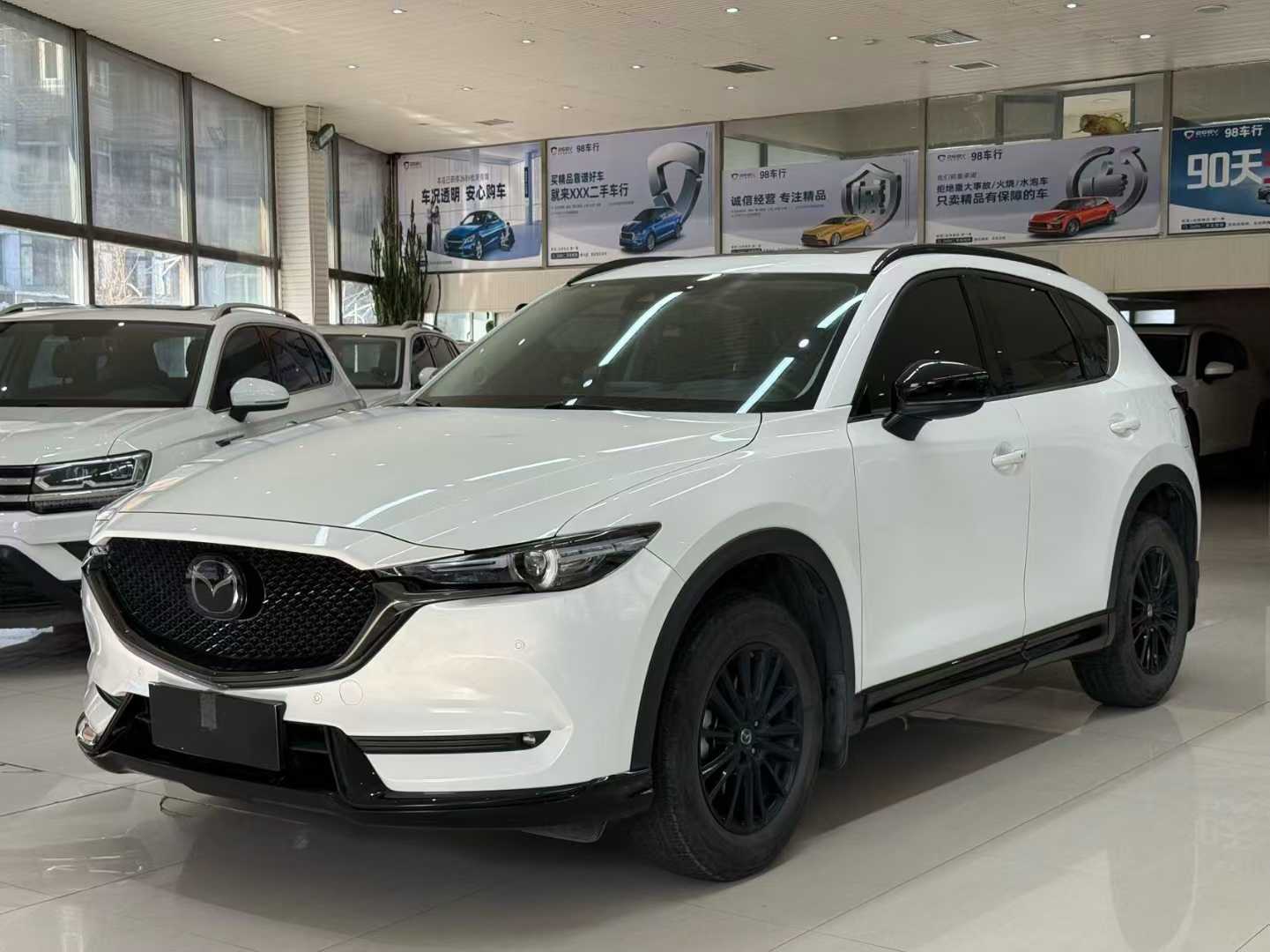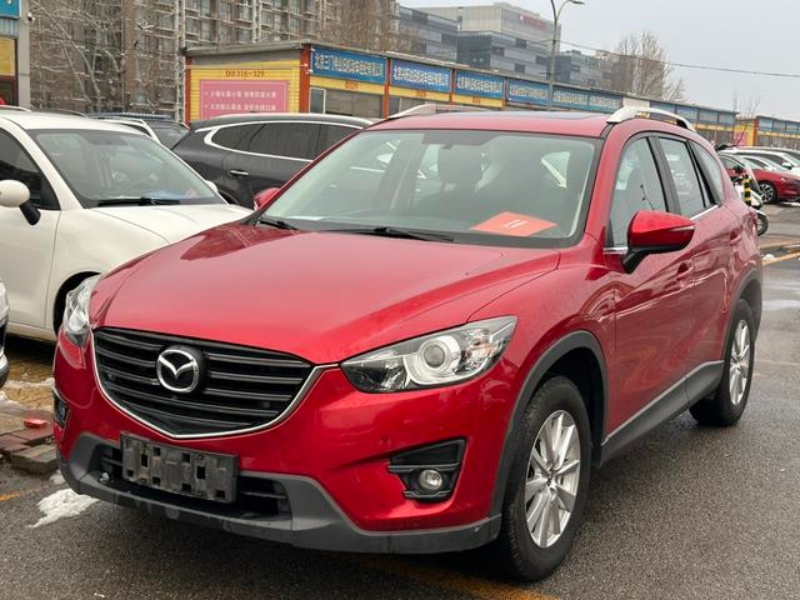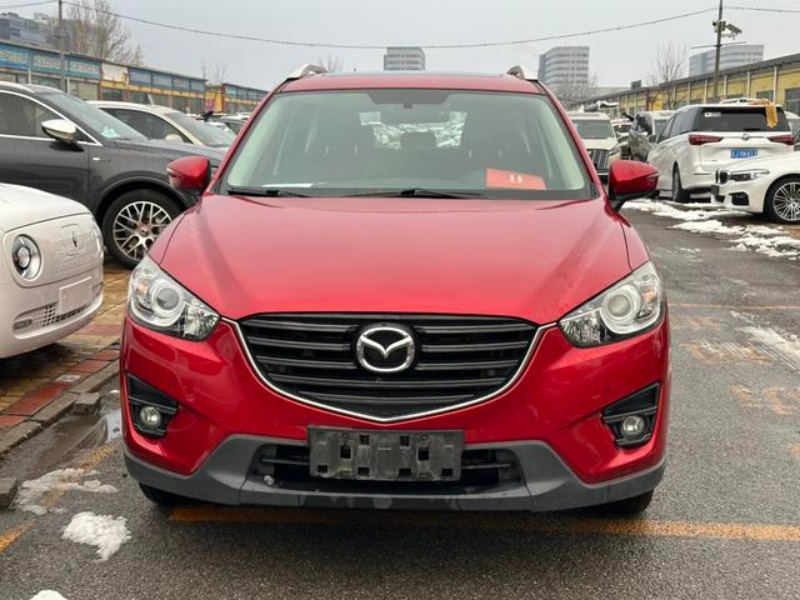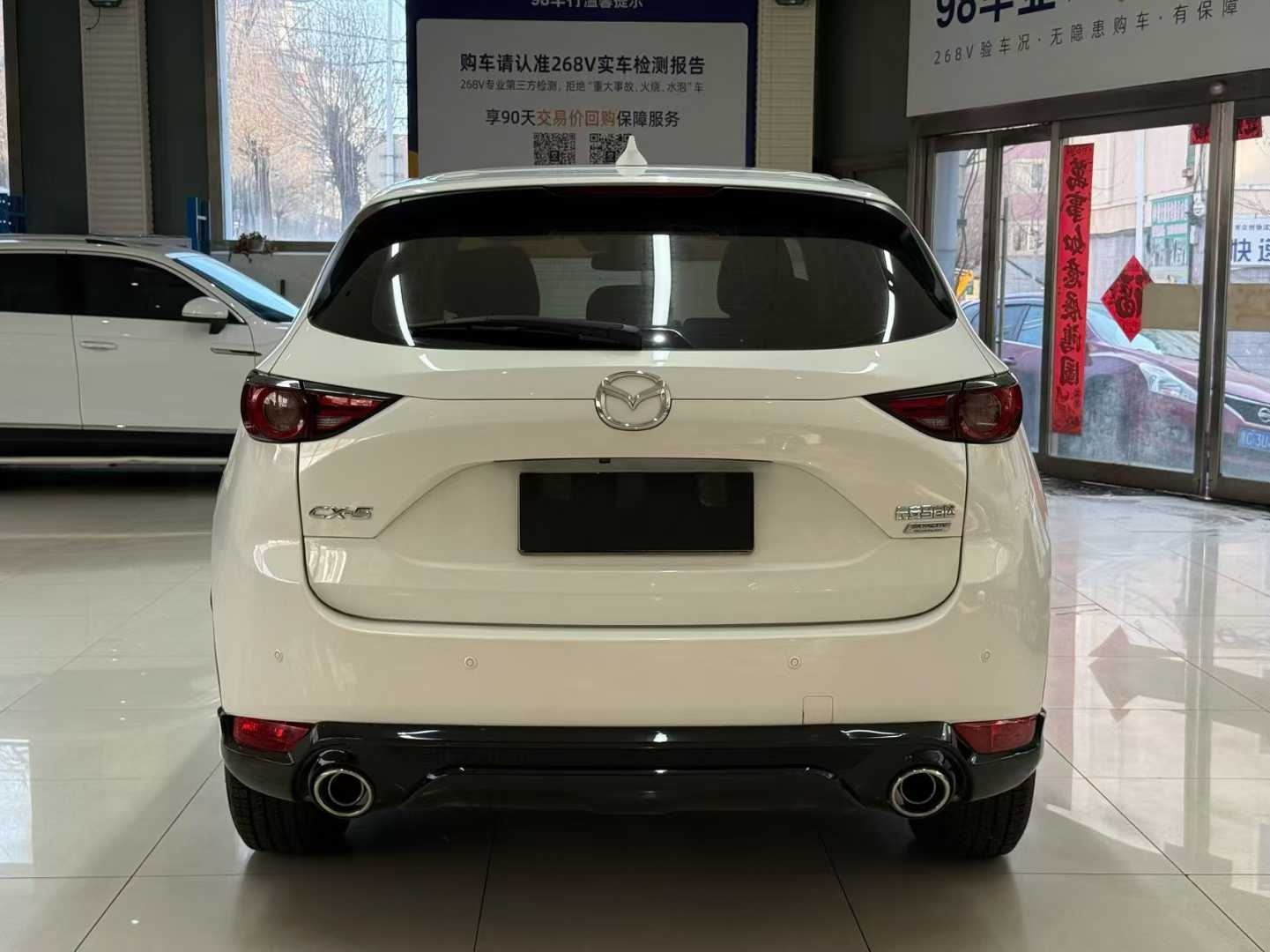
Set non-negotiable needs before browsing badges
Write down the requirements that cannot be traded away: an appropriate engine, drive system, destination eligibility and genuinely necessary equipment. Put preferences such as audio, trim materials or decorative wheels on a separate list. If a basic candidate lacks an essential feature, it is not a valid saving regardless of condition. If both cars meet essentials, compare what the higher trim adds in everyday use. The Chinese trim matrix approach supports feature identification; this decision concerns two used cars at the same budget, not which factory package had the highest list price.
Make the condition reports comparable
Ask for the same inspection scope on both cars: identity, structure, corrosion, cold and warm operation, scan, road test and installed-feature functions. A detailed report on one vehicle and a seller’s assurance on the other cannot support a fair comparison. Note omissions, inaccessible areas and symptoms that remain undiagnosed. Use the whole-vehicle assessment to align the brief. Be alert when cosmetic refurbishment appears to explain an unusually fresh cabin but no underlying repair record is available. Clean appearance can be desirable without proving mechanical health or a harmless ownership history.
Separate absence, failure and unsupported modification
A base car without a factory camera is different from a high-trim car with a failed camera or an undocumented aftermarket system. Record each situation accurately. Do not subtract the retail price of a brand-new premium feature simply because it appears in an advert. If the feature works, judge its benefit; if it fails, obtain a repair scope; if it is modified, establish who can support it. Check phone functions using the connectivity trial. This distinction prevents both overvaluing the higher trim and assuming a basic car can cheaply acquire every missing option.
Build a preparation-adjusted purchase sheet
List vehicle price, documented immediate work, essential missing equipment and delivery costs for each candidate. Include consumables that are actually due, while avoiding automatic replacement of every service item. Keep unknowns in a separate column rather than hiding them inside an optimistic estimate. As a hypothetical comparison, a high-trim discount can disappear after a matched tyre set, a nonworking screen and missing keys; this is not a quotation for any specific car. The price comparison method keeps the basis consistent. Obtain real supplier or workshop estimates for the shortlisted VINs.
Value features by use and maintainability
A premium audio system can matter to one buyer and not another. A powered tailgate can ease loading but also needs a supported repair path if it fails. Larger wheels can change replacement costs and comfort. Evaluate each useful feature over the planned ownership period, not by counting equipment items. The wheel-size comparison helps with one common trade-off. Ask how an unavailable component would affect daily use: a cosmetic inconvenience is different from a failed system that interrupts safe operation. Do not assume every option improves resale in the intended destination.
Protect the reserve instead of spending the entire ceiling
After purchase and delivery, keep a practical allowance for diagnosis, consumables and unplanned work. The amount should reflect the actual findings and local repair environment, not a universal percentage. A high-trim car that exhausts the ceiling may be less suitable even when its current faults appear manageable. Do not treat a vague seller warranty as permission to remove the reserve. Confirm its provider, terms and destination operation first. A simpler car with strong records and a remaining cash buffer can offer more controllable ownership than a feature-rich vehicle whose affordability depends on nothing going wrong.
Approve the car, not the equipment hierarchy
Choose the high trim when it offers verified benefits, acceptable condition and a manageable complete cost. Choose the basic car when it meets essential needs and its history, preparation and reserve are clearly stronger. Reject both when the comparison depends on unverified specifications or unexplained damage. Use the purchase approval process to keep the final VIN, report and quote consistent. If a replacement candidate appears, reassess it rather than transferring the earlier approval. The best-value decision is specific to the buyer’s task and evidence, not a claim that basic or high-trim CX-5 vehicles always win.
Decision record
Evidence checklist
- Essentials separated from preferences
- Identical inspection scope
- Absent versus faulty features distinguished
- Actual preparation estimates
- Reserve retained after delivery
Buyer questions
Is a higher trim always easier to resell?
No. Destination demand, condition, support and the actual equipment affect resale.
Should I buy a basic car and add every premium feature later?
Not without compatible parts, supported installation and a realistic complete quote.
Reference and inspection scope
This is a purchasing comparison method, not a manufacturer price guide. Use equivalent independent reports, dated vehicle quotes and destination repair estimates for the actual candidates.
Verify the exact vehicle
Specifications vary by year and market. Match the VIN, vehicle documents, inspection findings and manufacturer service information before purchase.