Put two matched candidates on the comparison sheet
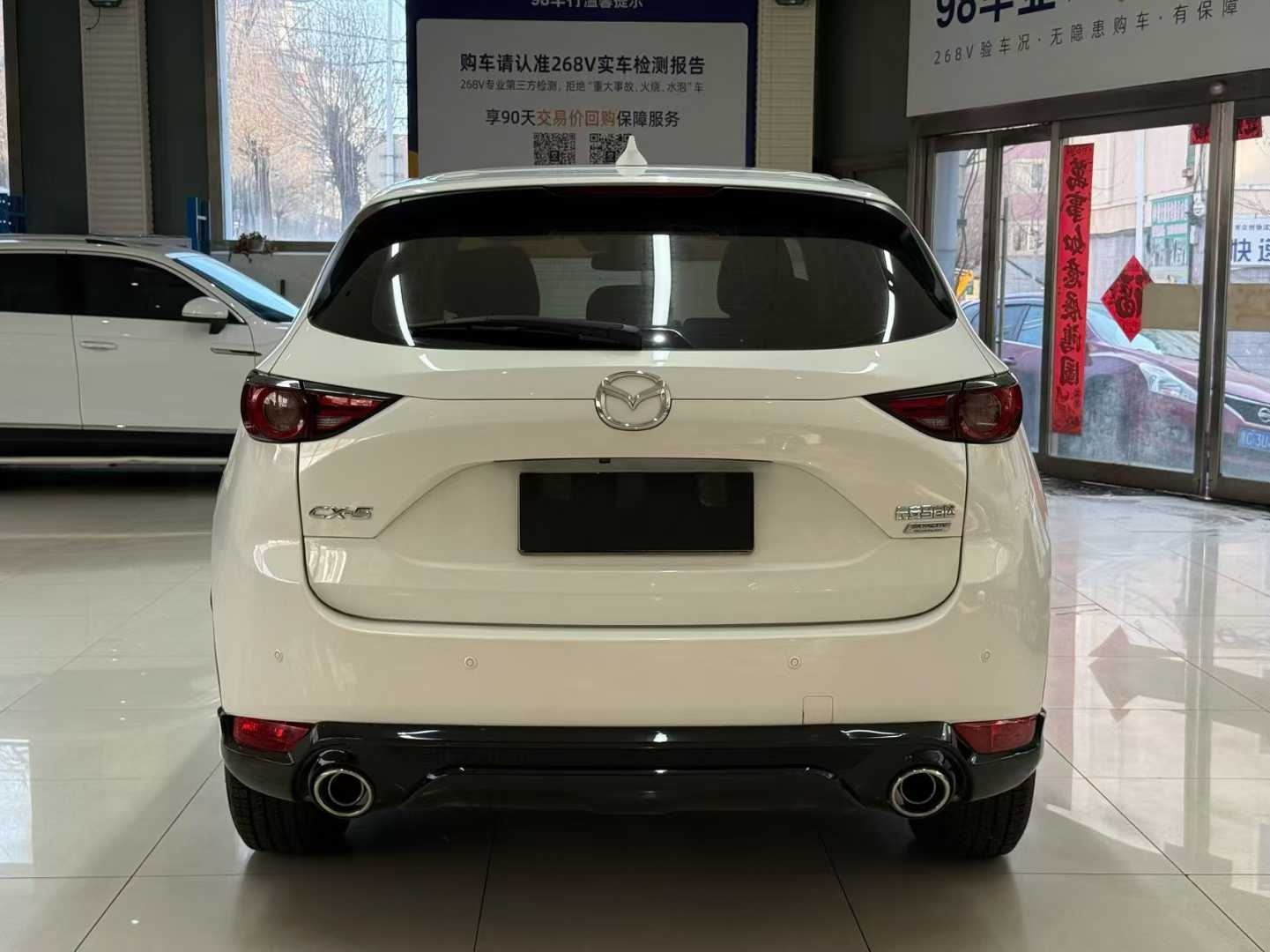
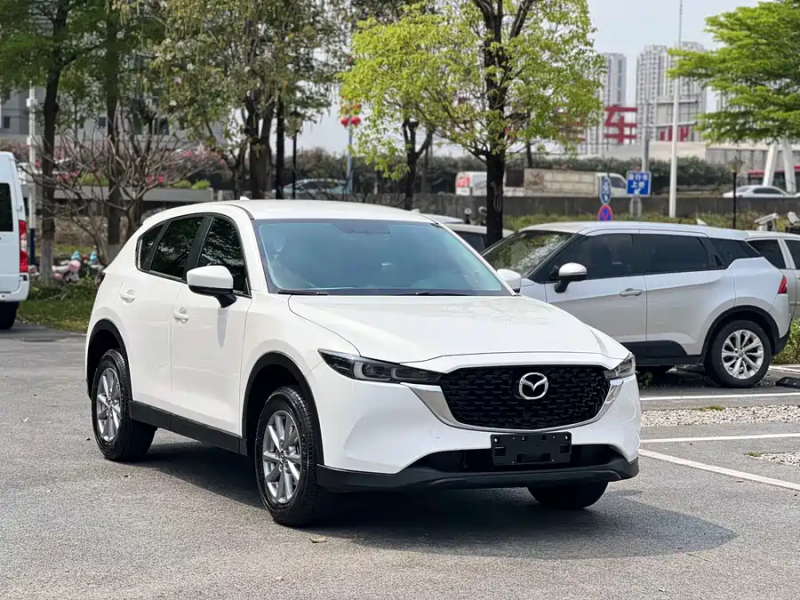
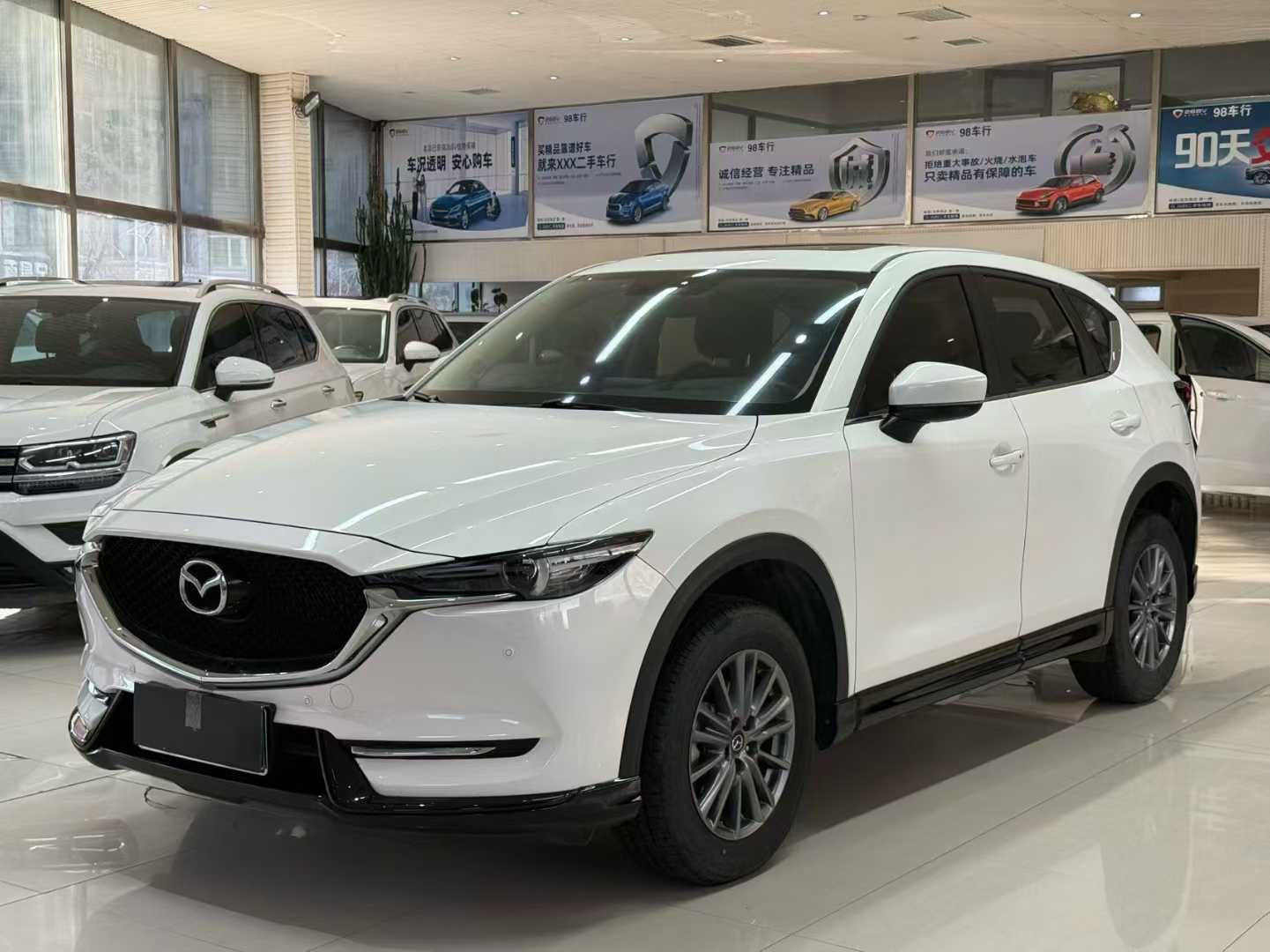
Record original market, production date, engine, transmission, drive system, mileage and the quotation basis for both cars. Mazda’s US comparison is a useful introduction to the two model families, but its packages do not establish Chinese equipment or stock. Avoid comparing a used petrol CX-5 with a new hybrid CX-50 without naming that difference. A similar price can conceal very different preparation and support obligations. Start with the CX-5 specification record and obtain the equivalent CX-50 documentation. Keep the exact model designation instead of presenting CX-50 as an export alias for CX-5.
Measure passenger fit in the arrangement you will use
Set the driver’s seat for the regular driver, then trial the rear seat with the intended adults or restraints. Check door access, seat angle, foot room and visibility rather than selecting a winner from one wheelbase measurement. A larger exterior footprint does not automatically mean a better fit for every occupant. Use the child-seat trial when restraint fit is important. Carry the same restraint and luggage requirements across both tests. Do not turn a brochure’s family-oriented description into a guarantee that three seats or a particular bulky item will fit.
Check exterior suitability before paying for extra space
Measure the parking bay and driveway, including mirror clearance and door-opening space. Ask for the actual vehicle dimensions from matching documents and establish whether roof accessories change height. Trial manoeuvring safely in a representative area. A wider-looking stance can appeal aesthetically while increasing daily clearance concerns. The parking assessment gives a practical method. If either car requires an unworkable daily compromise, remove it from the shortlist before comparing premium equipment. Cameras assist positioning but cannot make the body narrower or increase the space needed to load passengers.
Compare powertrain support rather than brand similarity
Identify each installed engine and drivetrain. A petrol, turbo or hybrid CX-50 alternative needs a support review specific to that system. The common Mazda badge does not establish parts interchangeability, diagnostic access or warranty transfer. Ask a destination workshop for its experience with both exact variants and the availability of service information. Use the VIN-led parts process for the CX-5 and require equally specific evidence for the alternative. Count any additional specialist diagnosis or parts lead-time exposure in the comparison rather than assuming ownership will cost the same.
Road-test the actual wheel and suspension combinations
Choose comparable safe routes and check approved tyre pressures before judging ride, steering and cabin noise. Record tyre sizes, brands, age and suspension condition. A worn vehicle can lose a test against a prepared one without proving the design is inferior. Ask the inspector to separate faults from normal characteristics. If rough roads are part of the brief, review underbody condition and the original operating limits rather than treating adventurous styling as off-road capability. A buyer who values a particular feel should still verify that it does not arise from modifications or an unresolved alignment problem.
Build a delivered and preparation-adjusted comparison
Obtain quotes with equivalent inspection, transport and destination assumptions. Add known service needs, tyres, supplied keys and confirmed equipment repairs. Then list the remaining price difference and what benefit it buys. The three-year cost method helps incorporate fuel, routine service and a conservative resale scenario. Avoid using a foreign new-car MSRP as the value of a used export candidate. If local resale evidence for one variant is weak, show a range and preserve that uncertainty instead of assigning an optimistic fixed premium.
Choose the model that solves the brief with less uncertainty
A CX-5 can be attractive when its practicality, price and existing service route fit the buyer. A CX-50 deserves consideration when its demonstrated packaging or configuration offers benefits and support is established. Neither should win because a different-market review preferred its styling. Write the deciding features and the outstanding approval conditions beside the chosen VIN. Ask for another candidate if the preferred model is available only with unacceptable history. The better purchase is an inspected, affordable and usable vehicle, not a universal verdict that one Mazda SUV is superior in every market.
Decision record
Evidence checklist
- Comparable candidate identities
- Identical passenger and cargo brief
- Parking clearance recorded
- Workshop responses for both variants
- Delivered quotes and repair estimates
Buyer questions
Is CX-50 another name for CX-5?
No. They are separate models; equipment, parts and market ranges must be checked separately.
Can a US model comparison describe Chinese stock?
Not by itself. Obtain local specification records and current offers for the actual candidates.
Reference and inspection scope
The manufacturer comparison concerns US vehicles and can change with the model year. It does not establish Chinese stock, parts interchangeability or the condition of a used offer.
Verify the exact vehicle
Specifications vary by year and market. Match the VIN, vehicle documents, inspection findings and manufacturer service information before purchase.