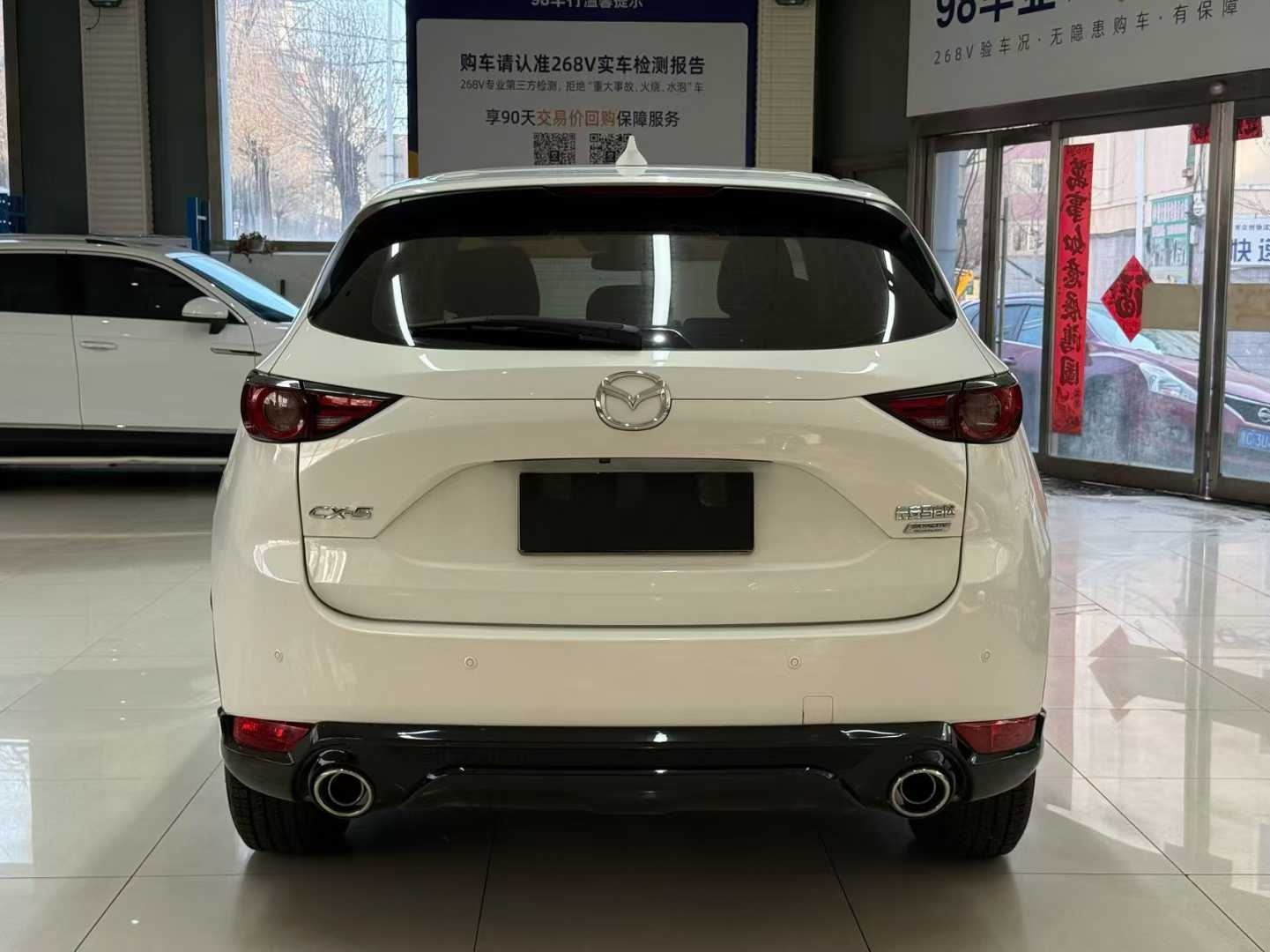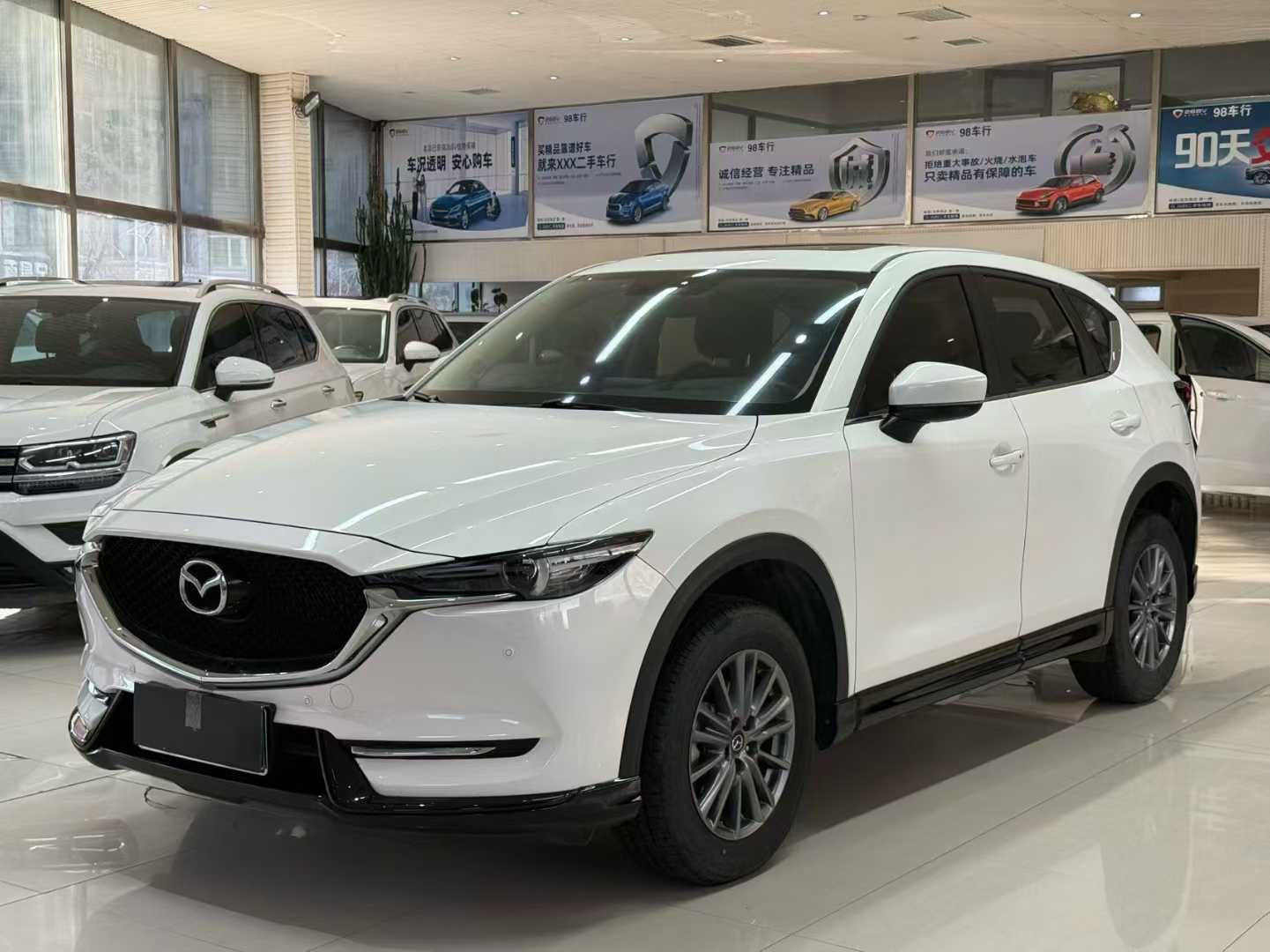
Fix the task before choosing the vehicle size
List regular occupants, restraint types, carried objects, parking restrictions and annual driving. Give each requirement a pass or fail test rather than a vague preference for a bigger SUV. For example, a particular rear-facing restraint must fit behind the usual driver position, not behind an artificially forward seat. A solo commuter may place more weight on access, visibility and garage space. The CX-5 purchase brief can be used for both cars. Identifying a task that one vehicle cannot fulfil prevents an attractive asking price from becoming an impractical purchase.
Match market and powertrain before comparing cost
Mazda’s current US CX-30 range is an overseas model reference, not a specification sheet for every China-sourced used vehicle. Record each candidate’s engine, transmission, drivetrain and production identity. Do not compare different fuel systems or equipment packages without stating the distinction. A smaller exterior does not establish a lower fuel bill on an arbitrary route, and a newer CX-30 can cost more than an older CX-5. Request the applicable documentation rather than borrowing output or economy from the latest foreign product page. Keep the quote date and original-market description visible on both comparison sheets.
Trial the rear cabin with the people who will use it
Measure usable room after setting the front seats normally. Check door opening, foot space, head clearance, centre-seat access and ease of fastening restraints. A catalogue can identify overall dimensions but cannot show how a particular adult or child seat interacts with the seat shape. Use the restraint fit procedure under the relevant manuals. If a trial cannot be performed remotely, ask for specifically defined measurements and retain the limitation. Do not claim a passenger arrangement is confirmed from a wide-angle cabin photo that hides the actual seat positions.
Load the same objects and close the tailgate
Compare the opening, floor shape, loading height and usable compartment with the same pram, cases or work equipment. Keep rear seats in the arrangement required for passengers. Use the cargo fit method rather than mixing volume standards or seat-folded figures with seats-up needs. If roof storage is proposed to compensate for limited room, include approved equipment, height and load constraints. A smaller vehicle may remain suitable, but external cargo should be an explicit ownership decision rather than a presumed inexpensive fix after delivery. Check how often the full load will actually be carried.
Check everyday parking and driver access
Trial the driver’s seat, mirrors, door opening and usual manoeuvres in a representative area. Confirm exterior dimensions against the actual specification and note any accessory additions. The parking worksheet helps determine whether a smaller footprint brings a practical benefit. Check visibility directly as well as through the fitted camera. A car that technically fits a bay may leave too little room for an older passenger or a child seat installation. Count the inconvenience over daily use, not just whether the vehicle can be squeezed between two boundary lines once.
Compare condition-adjusted ownership rather than size alone
Obtain equivalent inspections and add the due preparation to each delivered price. Compare tyres, brakes, service evidence, keys and functioning equipment. Budget fuel using matched route assumptions, and obtain real destination service estimates where possible. A lower purchase price can be offset by neglected maintenance; a higher one can still be reasonable if it avoids costly immediate work. The ownership worksheet uses the same time and distance for both. Do not award a fixed resale advantage to either model without comparable destination-market evidence.
Choose the smallest compromise that meets every essential need
Select the CX-30 when its real passenger, cargo and parking trials meet the brief and the complete budget is attractive. Select the CX-5 when its demonstrated layout solves a recurring task that the alternative cannot. If both pass, let condition, useful equipment and service access decide rather than size prestige. Record which tests were performed on the exact candidate and which remain assumptions. A later replacement offer must pass the same checks. This choice is about avoiding an unsuitable purchase, not about declaring one model the universal economical or family-friendly winner.
Decision record
Evidence checklist
- Passenger arrangement tested
- Same luggage loaded
- Driver and door access trial
- Actual engines and markets identified
- Preparation-adjusted ownership comparison
Buyer questions
Is the CX-30 always cheaper to own than a CX-5?
No. Acquisition, actual powertrain, condition and local operating costs determine the comparison.
Should a family always choose the CX-5?
No. Test the actual people and equipment; the right size depends on the use case.
Reference and inspection scope
The linked CX-30 range is a current US reference. Historical China-source candidates require their own records. Fit and ownership conclusions require measured vehicles and dated quotations.
Mazda US CX-30 product reference: verify model-year and market
Verify the exact vehicle
Specifications vary by year and market. Match the VIN, vehicle documents, inspection findings and manufacturer service information before purchase.