Identify the roof before buying accessories
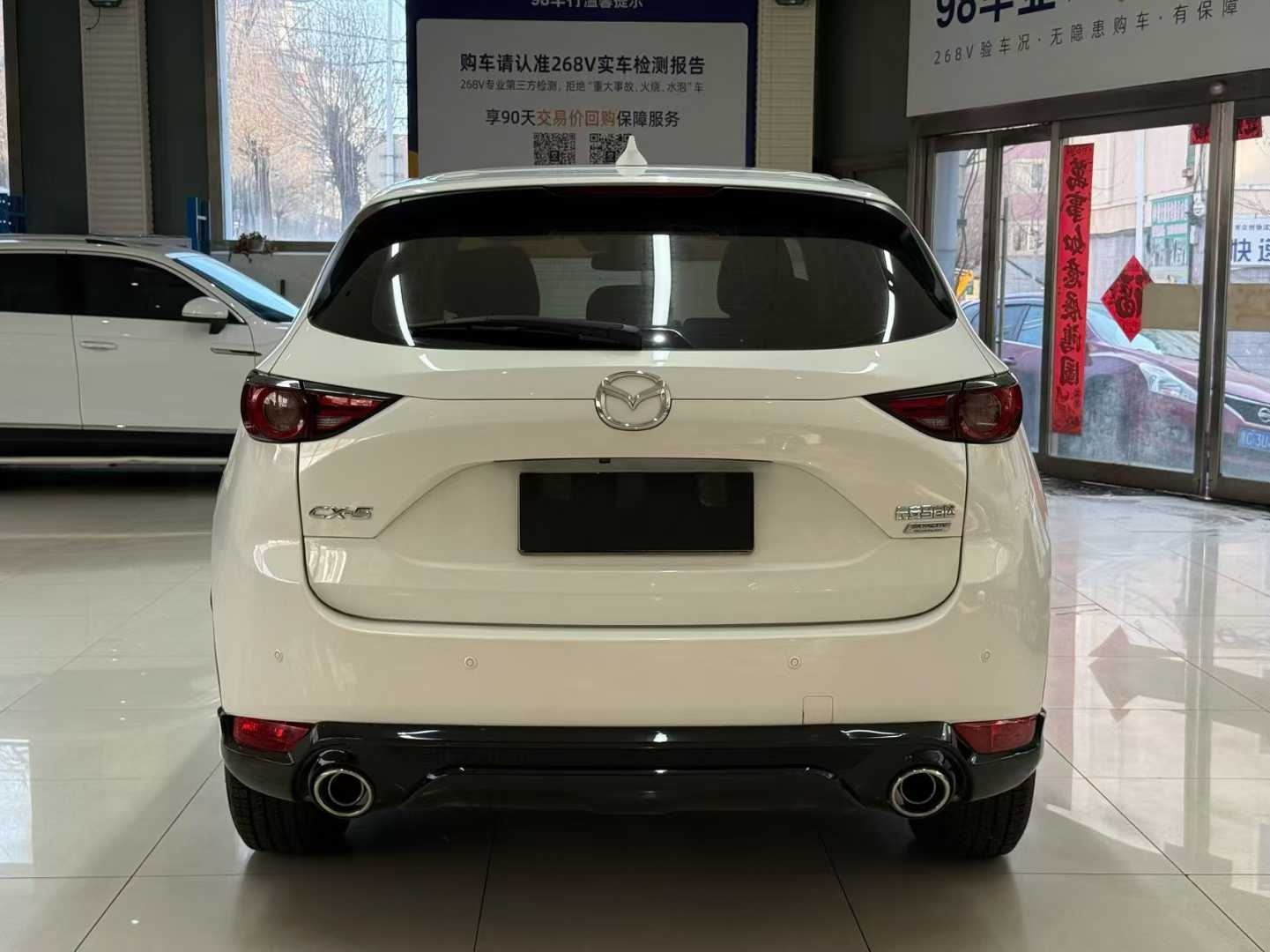
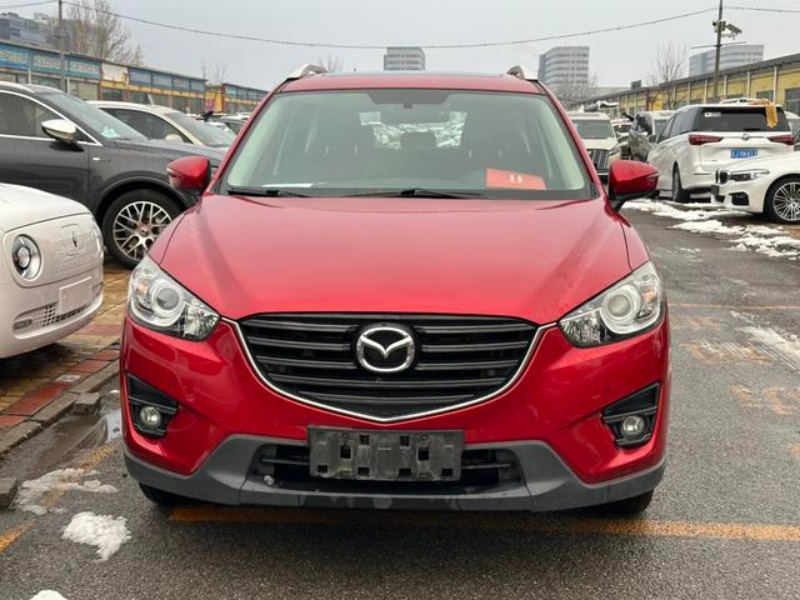
Photograph whether the candidate has original rails, aftermarket rails or no fitted rail system. Record the generation and production details because attachment solutions can differ. A decorative rail is not evidence of an approved load path. Ask for the accessory manufacturer’s vehicle-specific application and fitting instructions. The generation and model-year guide helps resolve identity before ordering. Do not assume a kit described only as CX-5 fits every body or roof type. Where the previous owner drilled, bonded or otherwise modified the roof, obtain a qualified assessment of the structure and sealing rather than approving the work from a side photograph.
Use every applicable limit, not just the box label
Collect the vehicle roof guidance and the ratings for rails, feet, bars and box. The completed system must respect the relevant constraints; a high box rating does not increase a lower vehicle or bar allowance. Count crossbars, mounting hardware and the empty carrier before calculating remaining luggage capacity. Keep dynamic road-use ratings distinct from static claims used to advertise camping accessories. Do not infer that a roof-tent or standing load is permitted because the box kit fits. If applicable vehicle guidance cannot be obtained, do not invent a safe allowance or accept an internet figure from another market as approval.
Plan the items and the full passenger load
List the actual travel items and weigh them instead of filling the box until it appears full. Check the vehicle’s overall loading instructions alongside roof guidance; passengers, luggage, optional accessories and other carried equipment all matter. Use the boot-space and family-use guide to decide whether smaller or differently arranged luggage would avoid a roof system altogether. Heavy or awkward items may need another transport solution consistent with the equipment instructions. Do not rely on a larger roof box to solve an overloaded vehicle. Secure permitted items properly and keep the driver’s view and vehicle controls unobstructed.
Check opening clearance and the installed geometry
Confirm that the tailgate can open without striking the box, and that any roof feature can operate only where the accessory instructions permit it. Measure the full loaded vehicle height on a suitable level surface, including the tallest hardware point. Compare this with real garage, car-park and route clearance, leaving an appropriate margin for uncertainty and vehicle movement. A published vehicle height without the carrier cannot answer that question. Check access to clamps, locks and mounting points. The roof sealing investigation is useful when an old carrier installation coincides with water-entry evidence or damaged trim.
Inspect installation rather than the accessory brand alone
Ask a competent installer to confirm the correct mounts, fasteners and assembly method for the chosen kit. Retain instructions, invoices and any required installation record. Check for missing covers, damaged threads, corrosion and signs of repeated movement. A premium brand cannot compensate for incorrect fitment or an unsuitable used part. Follow the manufacturer’s inspection, loading and driving guidance and the applicable local rules; do not extrapolate a speed recommendation from an unrelated box. If a seller offers the accessory with the vehicle, identify whether it is complete and whether replacement keys and parts are available. A damaged free accessory may create removal and roof-repair costs rather than useful value.
Separate holiday use from overseas shipment
Discuss transport with the carrier before leaving a box fitted. Added height, loose contents and external accessories may change the accepted shipment arrangement. Agree removal, packing and responsibility where required. Use the shipping preparation guide to record which equipment travels with the car and which travels separately. Keep a height reminder for the receiver and provide the actual instructions rather than a handwritten universal load number. If the system cannot be verified, source a suitable destination kit after arrival. The purchase should remain sensible without treating an unidentified roof accessory as essential equipment or evidence of vehicle condition.
Decision record
Evidence checklist
- Vehicle and fitted-rail identification
- Applicable vehicle/bar/box ratings
- Hardware plus luggage weight worksheet
- Measured completed height and tailgate clearance
- Supported installation and shipment arrangement
Buyer questions
Does the roof-box load rating establish the CX-5 roof limit?
No. Vehicle and mounting-system constraints also apply, and the hardware weight must be counted.
Can published vehicle height be used for garage clearance with a box?
No. Measure the completed installation and assess the actual route and clearance margin.
Reference and inspection scope
Use the documentation for the actual vehicle, original market and destination. US references do not establish China-market equipment, enrol an offered VIN in a certification programme or confirm destination approval. Inspection questions are not repair instructions.
Mazda US owner handbook: consult the matching vehicle loading guidance
Mazda US 2025 accessories: reference products, not fitment approval for a China VIN
Verify the exact vehicle
Specifications vary by year and market. Match the VIN, vehicle documents, inspection findings and manufacturer service information before purchase.