Write the full trade term instead of an abbreviation alone
Record the chosen Incoterms rule, edition and precise named port or place as appropriate. FOB and CIF are rules for sea and inland-waterway transport; do not use them as loose synonyms for any delivery service. ICC guidance distinguishes the parties’ transport responsibilities and points where risk changes from matters such as payment and ownership. The purchase contract must address those other questions separately. Ask the freight professional whether the proposed term suits the actual handover, especially where the seller hands a containerised car to a carrier before it is on board a vessel.
Separate who pays freight from where risk transfers
Under the standard FOB structure, the buyer arranges the main carriage; under CIF, the seller arranges the agreed sea carriage and insurance. Paying for carriage to a destination does not mean the seller bears every transit risk until arrival. The relevant rule and contract must establish the delivery point and responsibilities. Do not equate a destination named in a CIF price with final delivery to the buyer’s driveway. Use the transport plan to map the actual carrier handovers. Resolve a quotation that uses the abbreviation while describing inconsistent obligations before comparing its price.
Build two quotes around the same identified vehicle
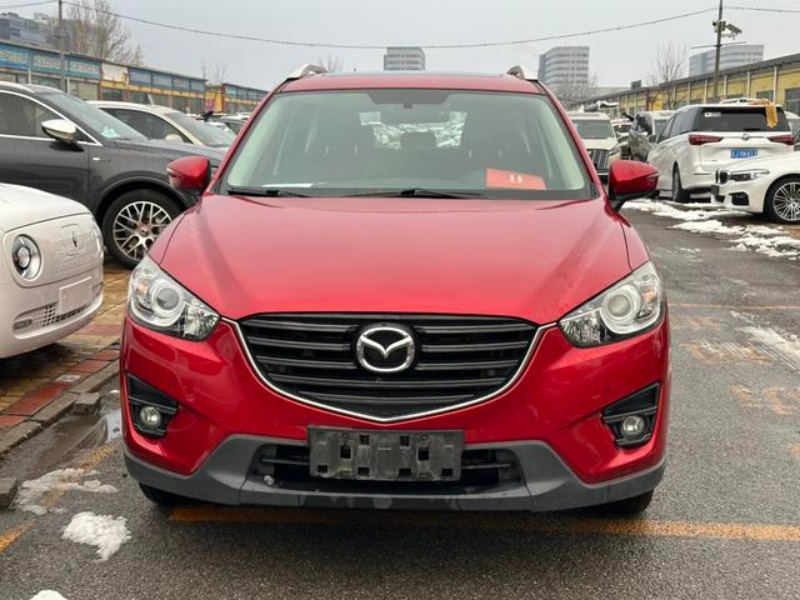
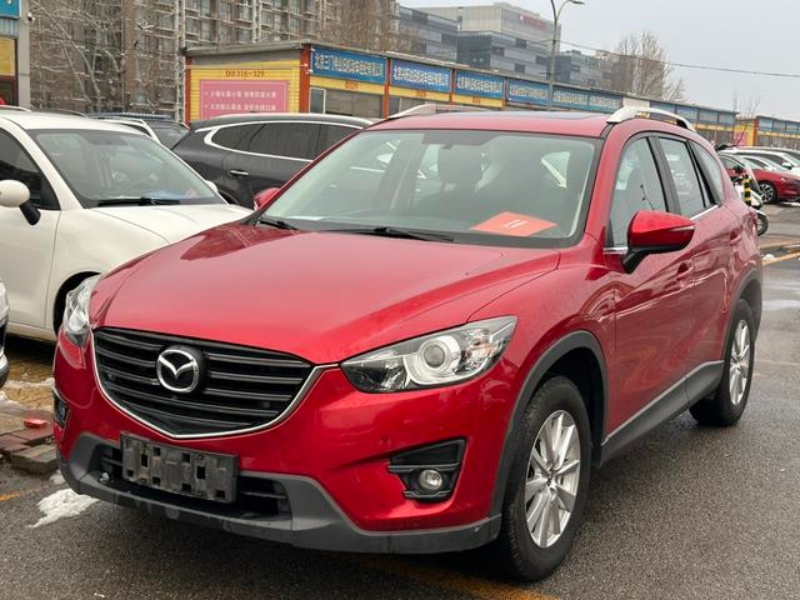
Use the same VIN, condition report, preparation and supplied items when asking for FOB and CIF alternatives. If the car or inspection scope changes, the price difference cannot be attributed solely to freight and insurance. Include the origin location, port movement and applicable export handling in the comparison. The vehicle quotation review keeps mechanical and equipment costs separate. Specify dates and validity for both alternatives. A low FOB amount with undefined origin charges can be less useful than a clearer offer, while a higher CIF amount may include a better or simply different carriage arrangement.
Read the actual insurance proposal rather than the word insured
ICC’s Incoterms 2020 guidance identifies a minimum insurance obligation under CIF. That is not a promise that every scratch, handling incident or delay is covered. Obtain the policy or proposed cover details, insured value, covered journey, exclusions, excess and claim contact. Check whether the actual condition and used-vehicle shipment are covered appropriately. If more cover is needed, agree it explicitly with the responsible provider. Do not describe minimum cover as comprehensive or assume a quotation’s insurance line confirms a policy has already been issued for the offered VIN. Keep confirmation with the shipping file.
List destination charges that may remain outside the offer
Ask about discharge-related handling, port services, storage, customs processing, applicable taxes, inland delivery, compliance work and registration where relevant. Allocation depends on the rule, contract, carriage agreement and destination arrangements; obtain the actual terms rather than a universal list of who always pays. The landed-cost worksheet should state where its subtotal ends. A CIF figure can be a useful transport quote without being a complete ownership-ready price. Do not treat omitted or unknown charges as zero, particularly when the buyer is comparing importing with a locally available vehicle.
Check the carrier documents and practical responsibility chain
Identify who books the shipment, supplies export documents, receives notices and coordinates any claim. Reconcile the vehicle, ports and consignment across the approved records. Confirm when transport evidence will be issued and what payment stage relies on it. A shipping document needs appropriate verification; its existence does not certify the car’s current mechanical condition. The handover assessment provides that separate condition record. Keep contractual responsibility and operational contact details aligned, so a delay or document discrepancy does not leave each party referring the buyer to someone not named in the agreement.
Choose the offer whose complete scope is controllable
Compare total expected spend, known exclusions, insurance suitability and the buyer’s ability to manage the allocated tasks. A buyer with an established freight arrangement may prefer one structure; another may value a coordinated carriage offer. Neither is universally cheaper or safer. Ask qualified advisers to resolve mismatches and any mandatory local requirements before acceptance. The price worksheet is a decision aid, not a legal interpretation of every shipment. Preserve the complete written quotation and its version, then approve the vehicle, preparation and transport arrangement together rather than relying on a three-letter label.
Decision record
Evidence checklist
- Rule edition and named location
- Same inspected vehicle in both offers
- Origin and destination charge schedule
- Actual insurance scope
- Carrier and document responsibility chain
Buyer questions
Is a CIF price the final registered cost?
Not automatically. Identify destination charges, compliance and registration costs separately.
Does CIF settle payment and ownership transfer?
No. Address those matters in the actual contract with qualified advice.
Reference and inspection scope
The ICC references explain trade-rule context. The actual contract, carrier terms, insurance and relevant law require professional review. No complete landed quote or universal charge allocation is supplied here.
Verify the exact vehicle
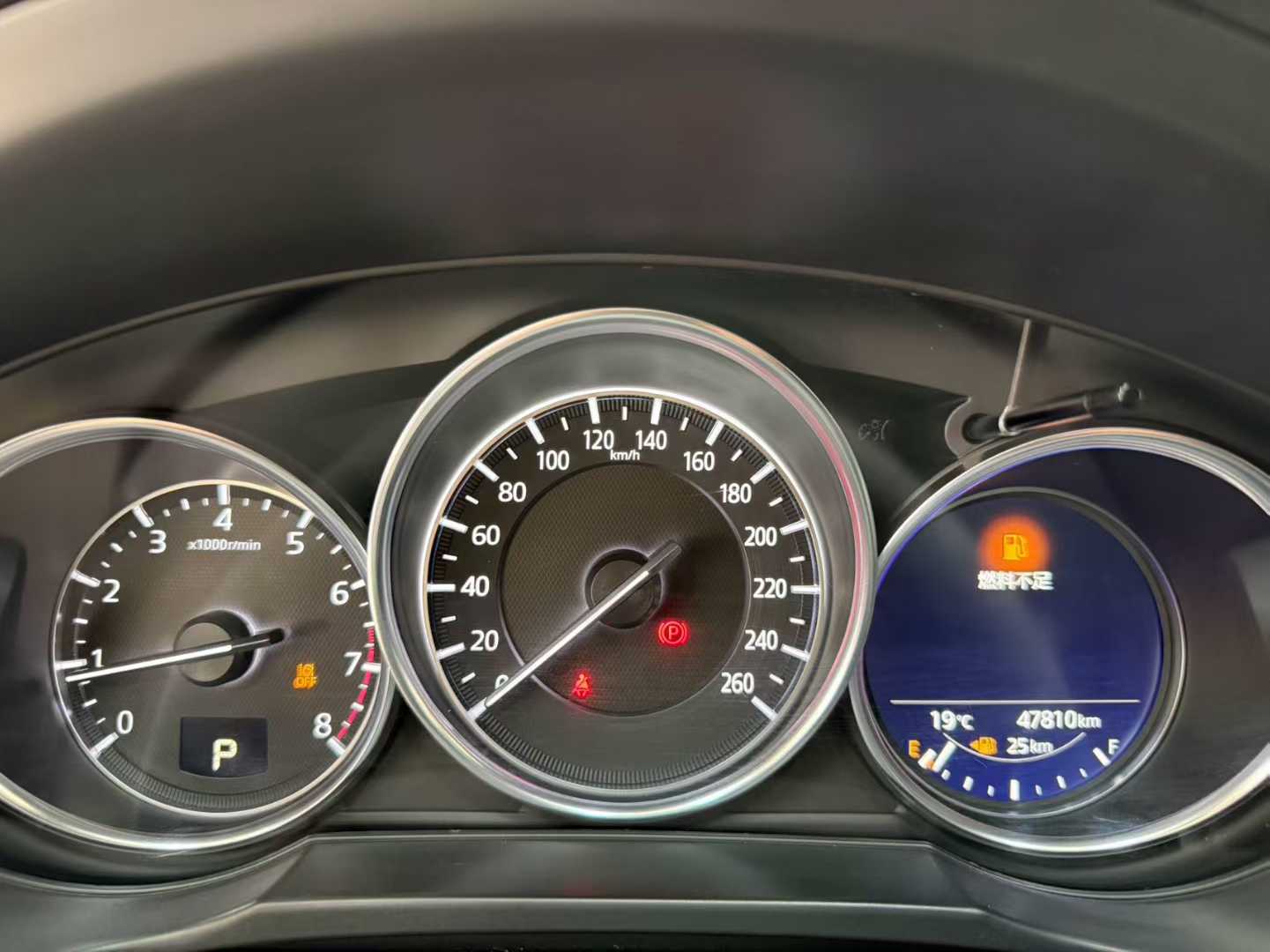
Specifications vary by year and market. Match the VIN, vehicle documents, inspection findings and manufacturer service information before purchase.