
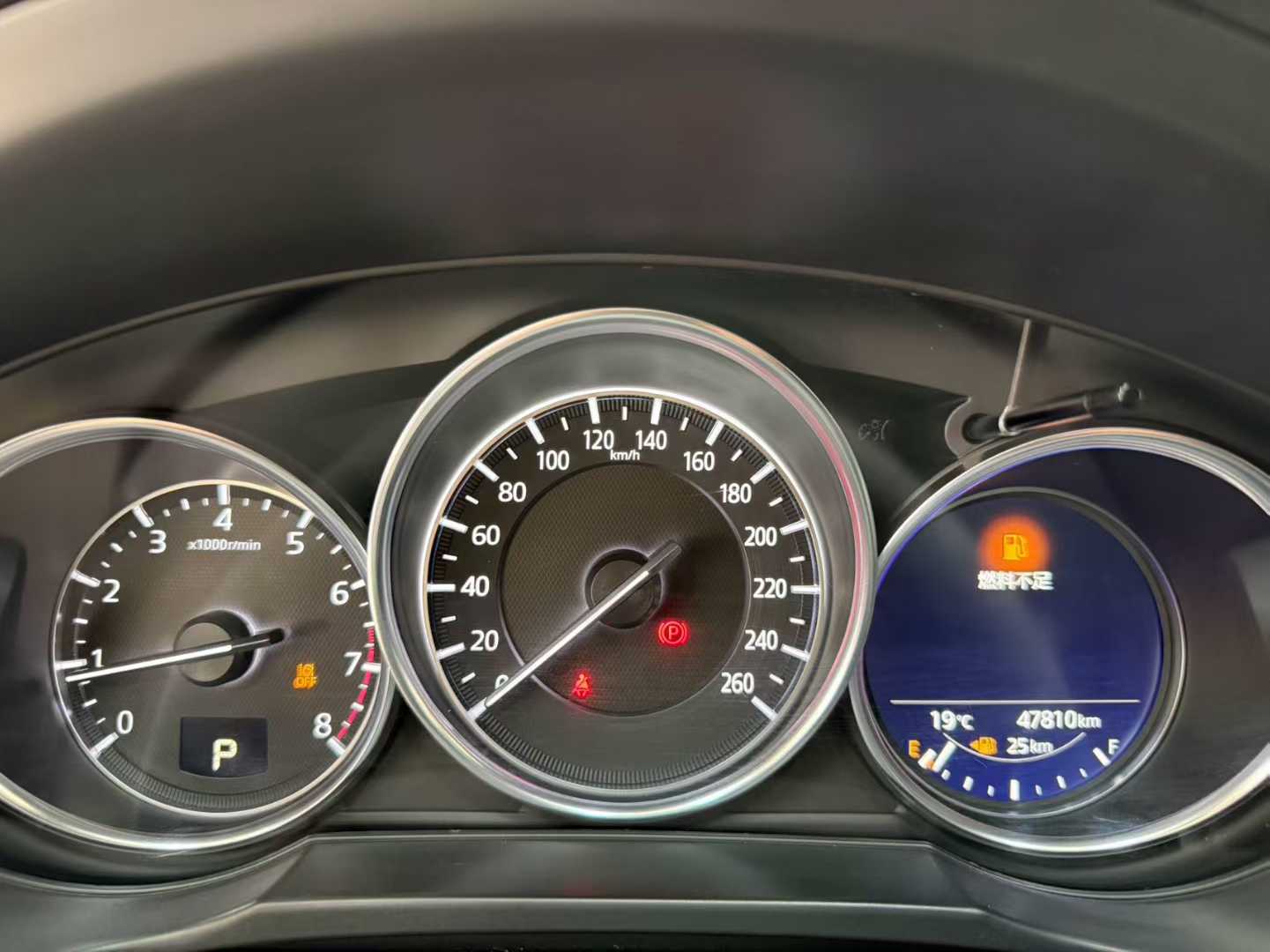
Measure the problem rather than guessing from the screen
Record fuel added and distance over a consistent full-to-full measurement where practical, keeping receipts and the odometer values. Note the fill method and repeat over more than one tank when access allows. A very short test or inconsistent fill level can distort the result. Compare the manual calculation with the trip-computer average and its reset date. The fuel-economy guide explains litres per 100 kilometres, kilometres per litre and the difference between US and Imperial mpg. Do not compare numbers in different units or use a recently reset display as evidence of normal long-term operation.
Document the route that produced the reading
Include journey length, speed pattern, congestion, idling, ambient conditions, passenger load and air-conditioning use. A vehicle that spends time stationary can consume fuel without adding distance, making a distance-based figure look worse. Ask whether the claimed brochure comparison describes the same engine, drivetrain and test cycle. A loaded urban route is not comparable with a laboratory combined figure or an empty motorway journey. For a diesel used mainly on short trips, discuss the emissions-system operating evidence with a qualified technician. Do not call normal route effects a failure or dismiss repeated extreme results without investigation.
Inspect rolling resistance before replacing engine parts
Check tyre specification, condition and cold pressures against the vehicle label and applicable manual. Have a technician investigate uneven wear, alignment concerns and brake drag rather than relying on hand impressions after a drive. An incorrect wheel-and-tyre combination can also confuse comparisons of distance and consumption. Use the tyre and brake condition checks to obtain a measured baseline. Look at roof accessories and unnecessary carried loads when fitted, but do not invent a precise saving from removing them. The aim is to identify plausible contributors and confirm them, not to produce a shopping list of parts from one symptom.
Request engine and temperature evidence
A qualified workshop should review fault information and relevant live data for the identified engine, including whether operating conditions make a test valid. Ask what findings support any proposed repair. A warning light or abnormal warm-up deserves diagnosis; a clean dashboard does not prove all monitored systems are healthy. Retain the original scan before codes are cleared. Fuel choice and maintenance materials should match the exact market documentation. The fuel-grade compatibility guide helps prevent confusion between rating systems. Avoid generic additives, speculative sensor replacement or emission-control alterations as a substitute for an evidence-based assessment.
Retest after a documented repair
If work is performed, preserve the original symptom, the diagnosed cause, repair invoice and repeat-measurement conditions. Compare like routes and units before claiming improvement. A seller can make a dashboard average look lower by resetting it or choosing a favourable drive; that does not establish a resolved fault. Where a longer retest is not practical before export, record the remaining uncertainty and decide whether an alternative vehicle is preferable. Use the remote inspection brief to request the specific data rather than another general walkaround. A test result should say what was actually observed and over what distance.
Decide from cost, safety and confidence together
Separate operating-cost concern from symptoms requiring immediate professional attention. Do not continue a road test when the inspector identifies a safety issue. Compare the vehicle’s delivered price plus the verified repair scope with a candidate that has credible fuel-use records. Allow for diagnosis and downtime where the cause remains unknown. The high-mileage decision guide is relevant when fuel use appears alongside other wear evidence. A modestly inefficient route pattern may be manageable; an unexplained major deviation with poor diagnostic access may not be. Do not approve a purchase on a promise that consumption will improve automatically after shipping.
Decision record
Evidence checklist
- Repeated measurement with consistent units
- Route, idling and reset context
- Measured tyres, alignment and brake condition
- VIN-linked scan and supported diagnosis
- Comparable repair retest or explicit unresolved risk
Buyer questions
Does high fuel use prove that a sensor needs replacement?
No. Establish measurement and operating conditions first; a qualified diagnosis must support any proposed component replacement.
Can a low trip-computer average after reset prove the problem is fixed?
No. Compare a representative route and a sufficient measurement period with the earlier conditions.
Reference and inspection scope
Use the documentation for the actual vehicle, original market and destination. US references do not establish China-market equipment, enrol an offered VIN in a certification programme or confirm destination approval. Inspection questions are not repair instructions.
Mazda US fuel requirements: rating context, not a universal China specification
Verify the exact vehicle
Specifications vary by year and market. Match the VIN, vehicle documents, inspection findings and manufacturer service information before purchase.