Compare generations, not two year numbers
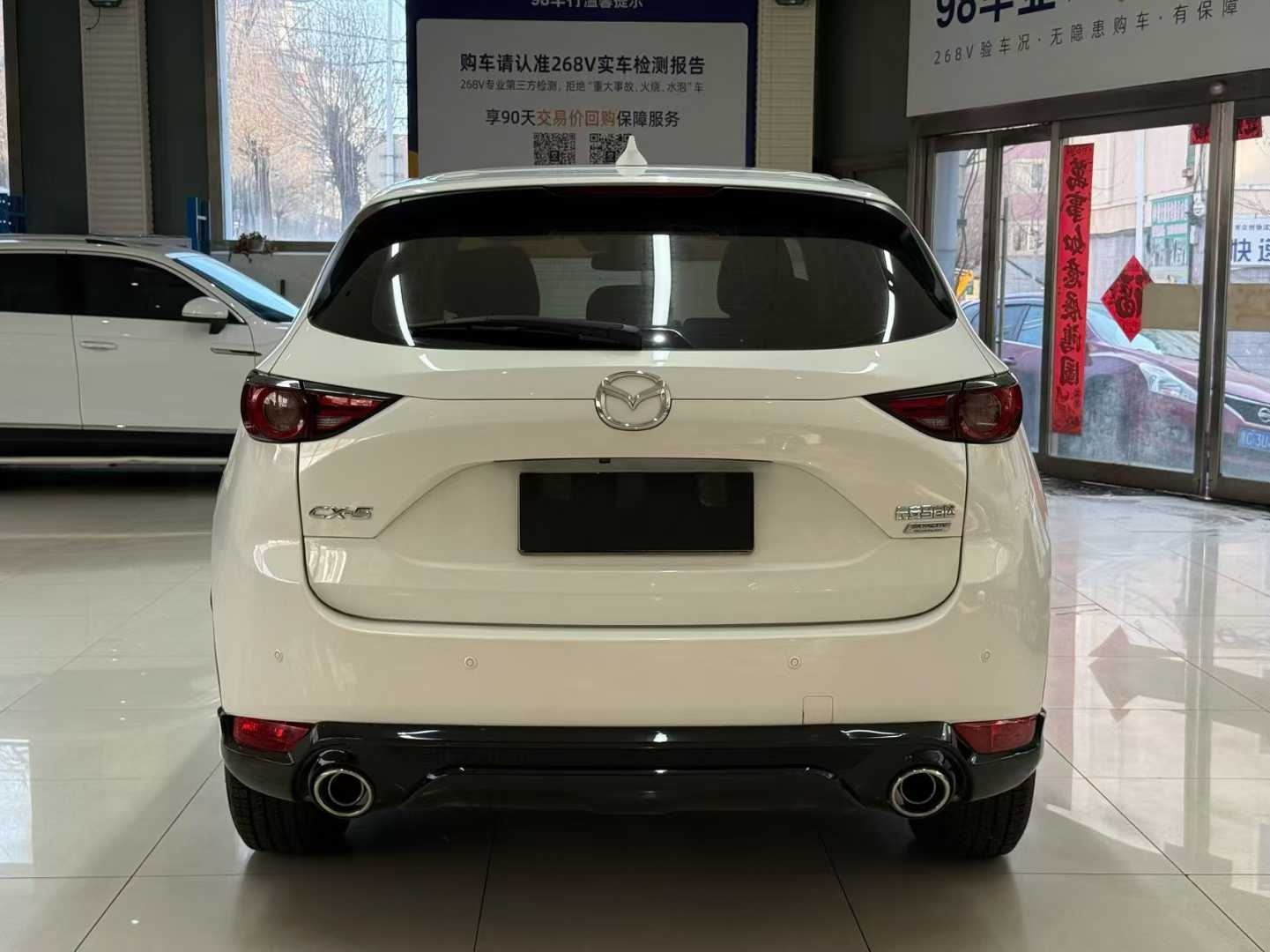
Write the production date, registration date, original market and generation on each candidate sheet. Mazda introduced the third generation in Europe in July 2025 and described a phased market introduction; Mazda USA subsequently published its 2026 range. Those records confirm an overseas redesign, not that every CX-5 sold or registered in 2026 uses it. Request current vehicle identity before paying a reservation fee. The generation record is the starting point for the distinction. A delayed registration, model-year convention or seller shorthand should be resolved before the quotation is accepted.
Test whether the new packaging solves a real problem
Mazda’s US reveal describes increased overall length and wheelbase for the new vehicle. Treat that as a reason to investigate, not automatic proof that your luggage or child seat fits better. Measure the exact loading opening and passenger arrangement with the intended objects and people. Check parking length, garage clearance and door-opening space as well as rear-seat room. A larger vehicle can improve one task while complicating another. Use the cargo measurement method for both candidates, keeping the generation visible beside each measurement rather than combining catalogue figures from different tests.
Assess the controls you will use every day
Different screen layouts and connected functions can change how a driver interacts with navigation, climate settings and phone calls. Trial the installed system before treating a larger display as an upgrade. Check the language, supported phone connection and whether any service depends on an account, subscription or original-market network. Identify which basic functions still operate without those services. The cross-market technology assessment remains relevant for both generations. Do not promise that software coding can make every foreign function work at the destination or that all touchscreen arrangements suit every driver.
Compare actual engines and maintenance access
Obtain the engine and drivetrain information for both offered cars. Mazda’s US 2026 launch specification is not a licence to assume the same engine, output or drive system in China or Europe. An outgoing second-generation turbo reference should not be carried into a new-generation quote without proof. Ask a destination workshop which diagnostics, service information and parts it can support for each exact vehicle. The parts identity process helps separate shared names from compatible components. A familiar badge cannot replace a confirmed repair and supply route.
Price the ownership route rather than the foreign MSRP
Keep the foreign manufacturer price as market context only. The purchase decision requires a dated offer for the actual candidate, plus applicable inspection, transport, preparation and destination costs. Verify any warranty with the responsible provider and the intended country. A lower outgoing-car price can become unattractive if major work is due; a new-generation premium can be hard to justify if support is uncertain. Use the three-year cost worksheet to compare the same driving period, mileage and selling assumptions. Do not count an unconfirmed warranty as money saved.
Separate new-car checks from used-car checks
For a new candidate, inspect manufacturing and storage dates, delivery damage, registration status, battery and tyres, then verify the contractual description. For a used outgoing vehicle, add service chronology, structural assessment, diagnostics and a permitted road test. Neither route should rely on stock photographs. Current availability requires a current offer and clear allocation, not a press release. If the redesign cannot be supplied on suitable terms, decide whether to purchase the available older vehicle or wait without paying against an ambiguous promise. A comparative article cannot reserve a factory production slot or establish a delivery deadline.
Choose an option with explicit reasons to proceed
Prefer the outgoing design when verified condition, sufficient space, local service access and a lower complete cost meet the brief. Consider the overseas redesign when its demonstrated benefits matter, a legitimate offer exists and destination support is established. Avoid the new design if generation or availability is being assumed; avoid the old one if its apparent savings depend on ignoring preparation. Write down the trade-off instead of declaring a universal winner. If a required piece of evidence is missing, keep the decision open rather than treating the newest announcement as the safest purchase.
Decision record
Evidence checklist
- Generation and original market recorded
- Practical space measured on both cars
- Phone and control trial completed
- Workshop and warranty responses obtained
- Dated vehicle-specific offer available
Buyer questions
Does a 2026 registration prove a third-generation CX-5?
No. Production identity, original market and the actual vehicle must establish the generation.
Does this comparison mean the overseas 2026 model is available from China?
No. Supply and export suitability require a current, specific offer and supporting documents.
Reference and inspection scope
These announcements describe overseas introduction and specifications. They are not a China availability statement, a candidate inspection or a binding quotation.
Verify the exact vehicle
Specifications vary by year and market. Match the VIN, vehicle documents, inspection findings and manufacturer service information before purchase.