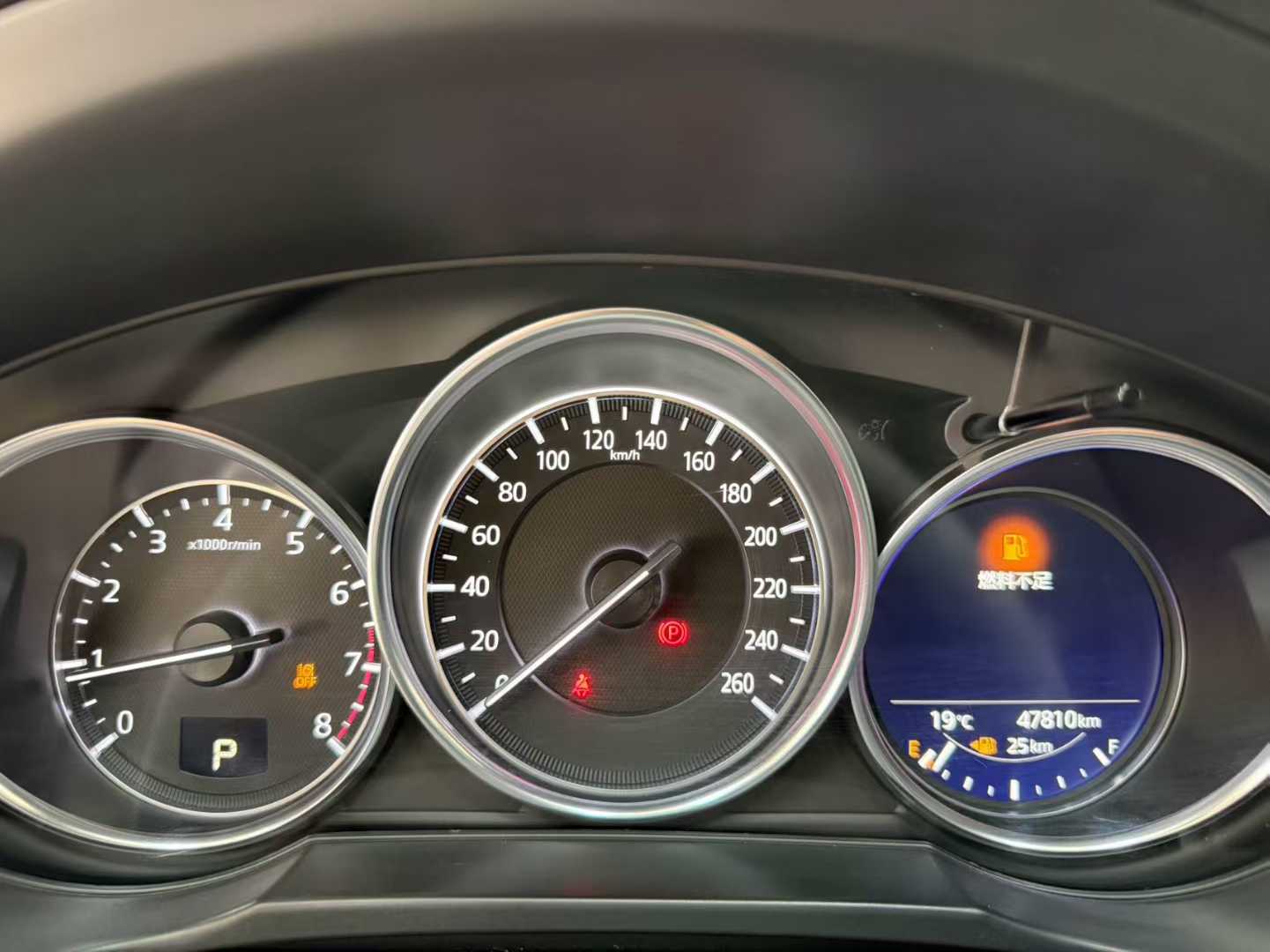
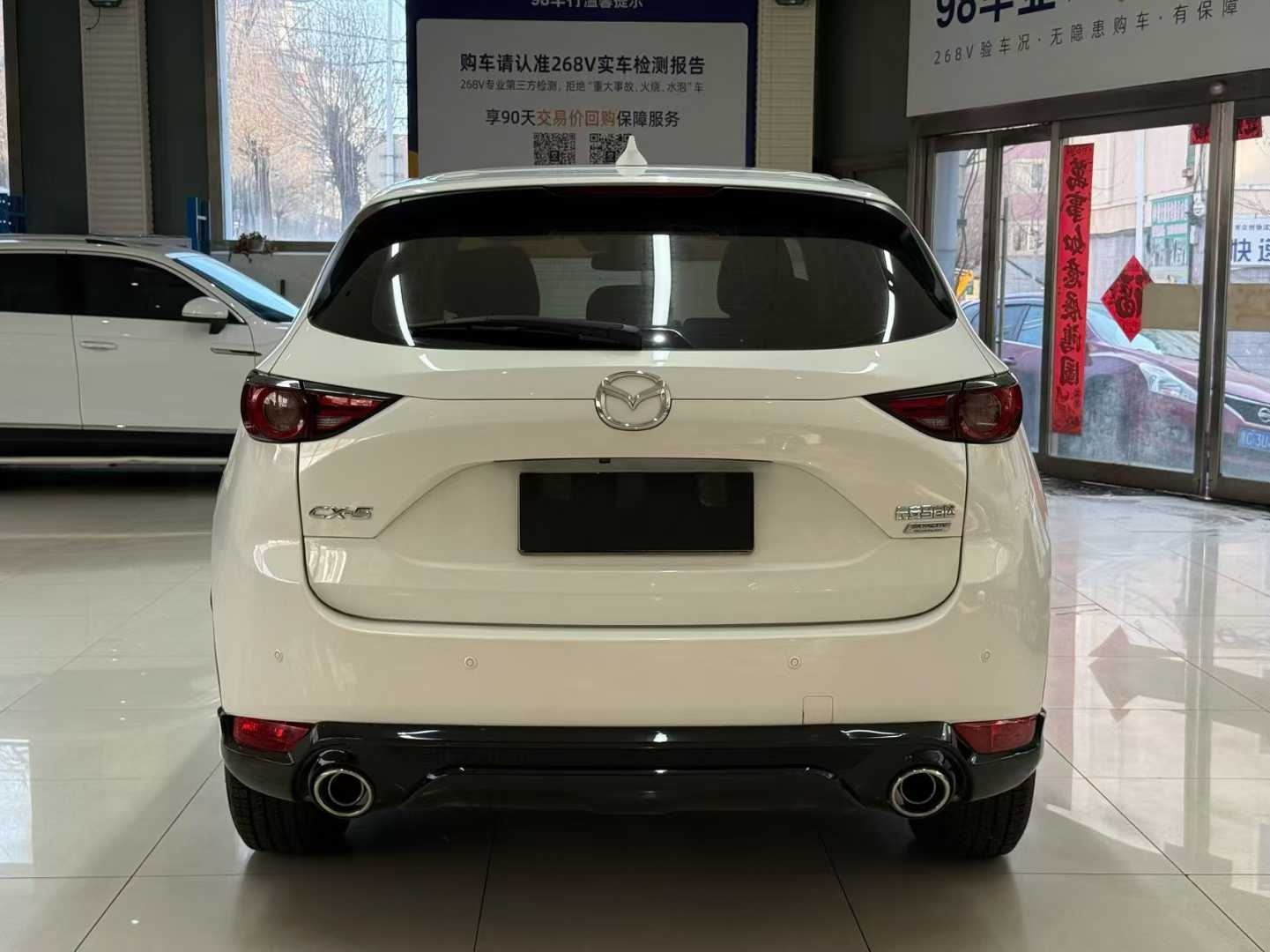
Why consider used
Used cars can reduce the acquisition cost and offer a wider choice of years. The trade-off is the need for stronger inspection, history verification and realistic reconditioning allowances. When valuing remaining coverage, verify imported CX-5 warranty and recall support instead of assuming a domestic warranty survives export.
Why consider new
A new vehicle reduces wear-related uncertainty, but export eligibility, warranty validity abroad, market specification and current factory or dealer availability still need confirmation.
Make a landed-cost comparison
Compare like for like: exact trim, inspection or pre-delivery checks, inland logistics, export paperwork, freight and destination charges. Do not compare a used vehicle-only price with a new-car landed quote.
Quick answer
A new CX-5 reduces wear uncertainty but still requires exact specification, production status, export eligibility and warranty clarification. A used CX-5 can lower acquisition cost and broaden choice, but needs stronger identity, history and condition evidence.
Compare certainty, not only depreciation
A new car reduces wear uncertainty but still needs identity, production-date and specification checks. Confirm whether it is unregistered, whether it was a demonstrator and which export documents can be supplied.
Warranty is not automatically global. Verify transferability, destination service support and regional connected-service limits in writing rather than including assumed warranty value in the comparison.
A used CX-5 may lower acquisition cost or provide a preferred specification. Measure the advantage after inspection, overdue service and reconditioning, using new and used quotations at the same delivery stage.
Verify what “new” means
Ask whether the vehicle has ever been registered, used as a demonstrator, repaired in storage or held for an extended period. Capture production date, odometer and battery or tyre age. An unused older-stock vehicle can still require maintenance and does not necessarily carry a current-model specification.
For the used option, quantify depreciation already absorbed and subtract inspection findings and immediate work. Compare both at the same endpoint and with warranty value limited to written, usable coverage. The better purchase is the one with clearer total cost and support, not automatically the one with fewer kilometres.
Check whether destination rules classify condition by registration, mileage or document status. The commercial description on an invoice may not control customs treatment, so confirm the category before relying on a new-versus-used tax assumption.
Decision table
What to verify before choosing
- 01For new stock, verify the vehicle exists and confirm production date, trim, options and document path.
- 02For used stock, require a vehicle-linked inspection and current condition media.
- 03Ask whether manufacturer warranty is valid, transferable or serviceable in the destination.
- 04Compare depreciation advantage against reconditioning and inspection findings.
A practical action plan
New vehicle focus
For new stock, verify the vehicle exists and confirm production date, trim, options and document path.
Used vehicle focus
For used stock, require a vehicle-linked inspection and current condition media.
Both
Ask whether manufacturer warranty is valid, transferable or serviceable in the destination.
Best comparison
Compare depreciation advantage against reconditioning and inspection findings.
Which buyer profile fits?
Scenario 1
New suits buyers prioritising unused condition and exact current specification.
Scenario 2
Used suits value-focused buyers willing to evaluate condition and model years.
Scenario 3
A nearly new used vehicle may balance depreciation and condition when history is transparent.
How to compare shortlisted vehicles
| Decision area | Target | Weight |
|---|---|---|
| New vehicle focus | Specification, production date, dealer status, export file and warranty | Mandatory match |
| Used vehicle focus | VIN, mileage, history, body, diagnostics and wear | High priority |
| Both | Destination eligibility, landed cost and shipping route | Cost and risk |
| Best comparison | Two complete written quotations with equivalent scope | Final confirmation |
Mistakes that create avoidable cost
- Assuming new means globally warranted.
- Calling dealer demonstrators new without checking registration and use.
- Comparing a new landed quote with a used vehicle-only price.
- Ignoring destination approval for either condition.
Frequently asked questions
Can new cars be exported from China?
Potential routes depend on current rules, documents, supplier status and destination eligibility.
Does a new car need inspection?
Yes, at least identity, specification, damage and pre-delivery checks.
Is used always cheaper landed?
Not necessarily after condition work, logistics, tax and compliance.
Which should I request first?
State your budget and priorities and ask for comparable new and used options where available.
Reference sources
Official information is used to understand the model family. The individual VIN, documents and inspection remain authoritative for a vehicle offered for sale.
Verify the exact vehicle
Specifications vary by year and market. Match the VIN, vehicle documents, inspection findings and manufacturer service information before purchase.