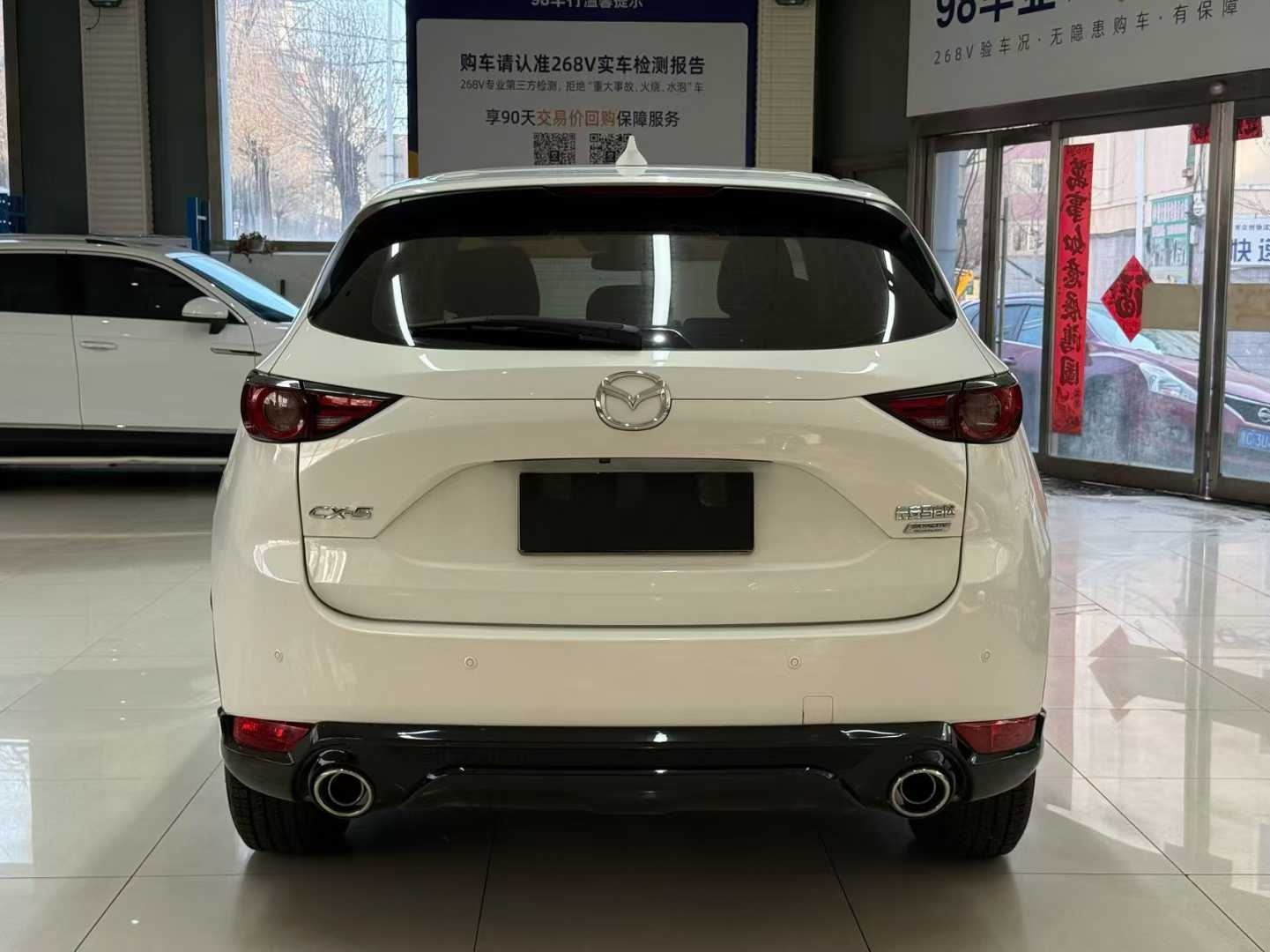
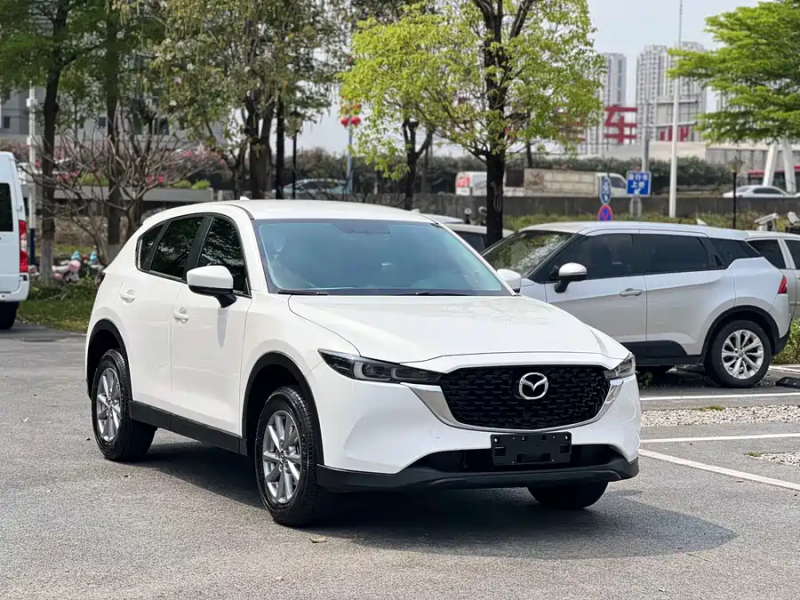
Cabin and everyday use
CR-V variants are often shortlisted for practicality, while CX-5 buyers commonly favour styling and driving feel. Measure the actual cargo and passenger needs rather than relying on category labels.
Powertrain complexity
Engine, turbo, hybrid and drivetrain availability changes by year and market. Identify the exact powertrain and consider destination diagnostic and parts capability.
Export comparison
Obtain the same inspection depth and landed-cost structure for both. Documentation quality and vehicle condition should carry more weight than brand-level assumptions.
Quick answer
The CX-5 and CR-V serve similar buyers but emphasise different qualities. CX-5 shoppers often value driving feel and cabin design, while CR-V shoppers often prioritise packaging and familiarity. Powertrain and generation differences must be compared precisely.
Compare packaging and complexity
The CR-V is often shortlisted for cabin utility, while CX-5 buyers may value driving position, finish and road manners. Verify the generation because passenger and cargo arrangements evolve.
Depending on market, CR-V candidates may be turbocharged or hybrid while CX-5 candidates may be naturally aspirated, turbo or diesel. Local diagnostic and parts capacity can outweigh a small efficiency difference.
Apply identical document and structural checks, then add model-specific tests. Compare insurance, software limits, resale and landed cost; a clean supported vehicle matters more than a brand-level winner.
Test the family-use details
Check rear-seat access, child-seat points, headroom, cargo opening, load floor and visibility using the intended passenger and luggage pattern. Published dimensions do not fully describe packaging. Verify spare-wheel or repair-kit arrangements and whether destination buyers expect particular equipment.
Then compare the exact powertrains: fuel, transmission, turbo or hybrid complexity, AWD, maintenance evidence and local technical support. Insurance and resale can change the rational result. The final recommendation should name the two vehicles compared, because another year or engine may reverse it.
Test the actual assistance and infotainment functions, including cameras, sensors, phone integration and display language. Equipment lists from different markets are not interchangeable, and a feature with no local software support should not receive full value.
Price child-seat, cargo and commuting priorities separately from preference. A cabin advantage matters only if the intended passengers can use it, while a powertrain disadvantage can create recurring service or fuel cost.
Decision table
What to verify before choosing
- 01Compare passenger, child-seat and cargo requirements using the actual generation.
- 02Identify the exact engine and transmission rather than comparing model names.
- 03Check destination access to parts, software and diagnostic knowledge.
- 04Apply the same structural and mechanical inspection depth to both.
A practical action plan
CX-5 emphasis
Compare passenger, child-seat and cargo requirements using the actual generation.
CR-V emphasis
Identify the exact engine and transmission rather than comparing model names.
Complexity check
Check destination access to parts, software and diagnostic knowledge.
Export check
Apply the same structural and mechanical inspection depth to both.
Which buyer profile fits?
Scenario 1
CX-5 suits buyers prioritising conventional driving character and cabin feel.
Scenario 2
CR-V suits buyers placing greater value on packaging or local familiarity.
Scenario 3
An older simple powertrain can be preferable where specialist support is limited.
How to compare shortlisted vehicles
| Decision area | Target | Weight |
|---|---|---|
| CX-5 emphasis | Road manners, styling and Skyactiv powertrains | Mandatory match |
| CR-V emphasis | Cabin utility and broad global familiarity | High priority |
| Complexity check | Turbo, hybrid, AWD and electronics by exact version | Cost and risk |
| Export check | Parts, diagnostics, resale, documents and condition | Final confirmation |
Mistakes that create avoidable cost
- Assuming every CR-V is more spacious without checking generation.
- Comparing turbo, hybrid and naturally aspirated cars only by fuel figures.
- Ignoring software and connected-service limitations.
- Paying a brand premium for a worse vehicle.
Frequently asked questions
Which is better for families?
Define seating, cargo and route needs, then compare the exact generations.
Which is easier to maintain?
The powertrain and local service network decide more than the model name.
Which should be exported?
The cleanest eligible vehicle with suitable local support and landed cost.
Can one inspection template cover both?
The structure can be shared, but powertrain and equipment checks must be model-specific.
Reference sources
Official information is used to understand the model family. The individual VIN, documents and inspection remain authoritative for a vehicle offered for sale.
Verify the exact vehicle
Specifications vary by year and market. Match the VIN, vehicle documents, inspection findings and manufacturer service information before purchase.