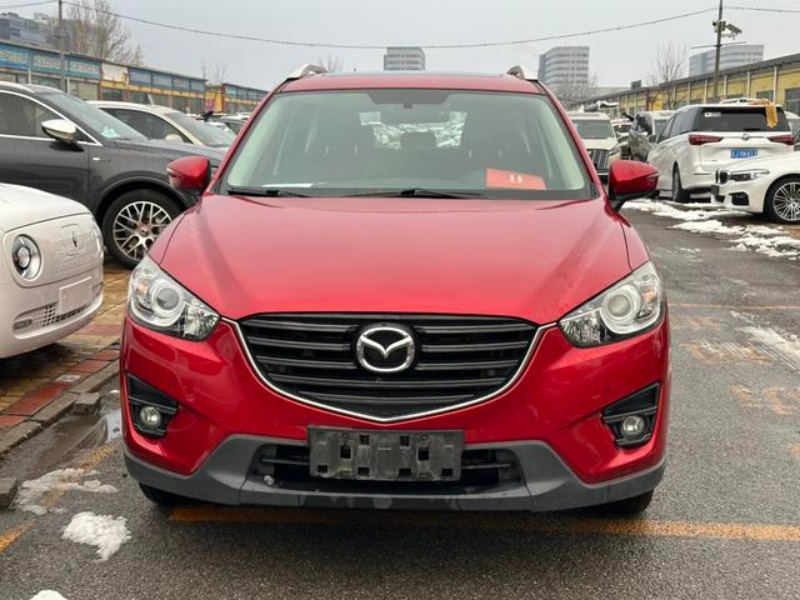
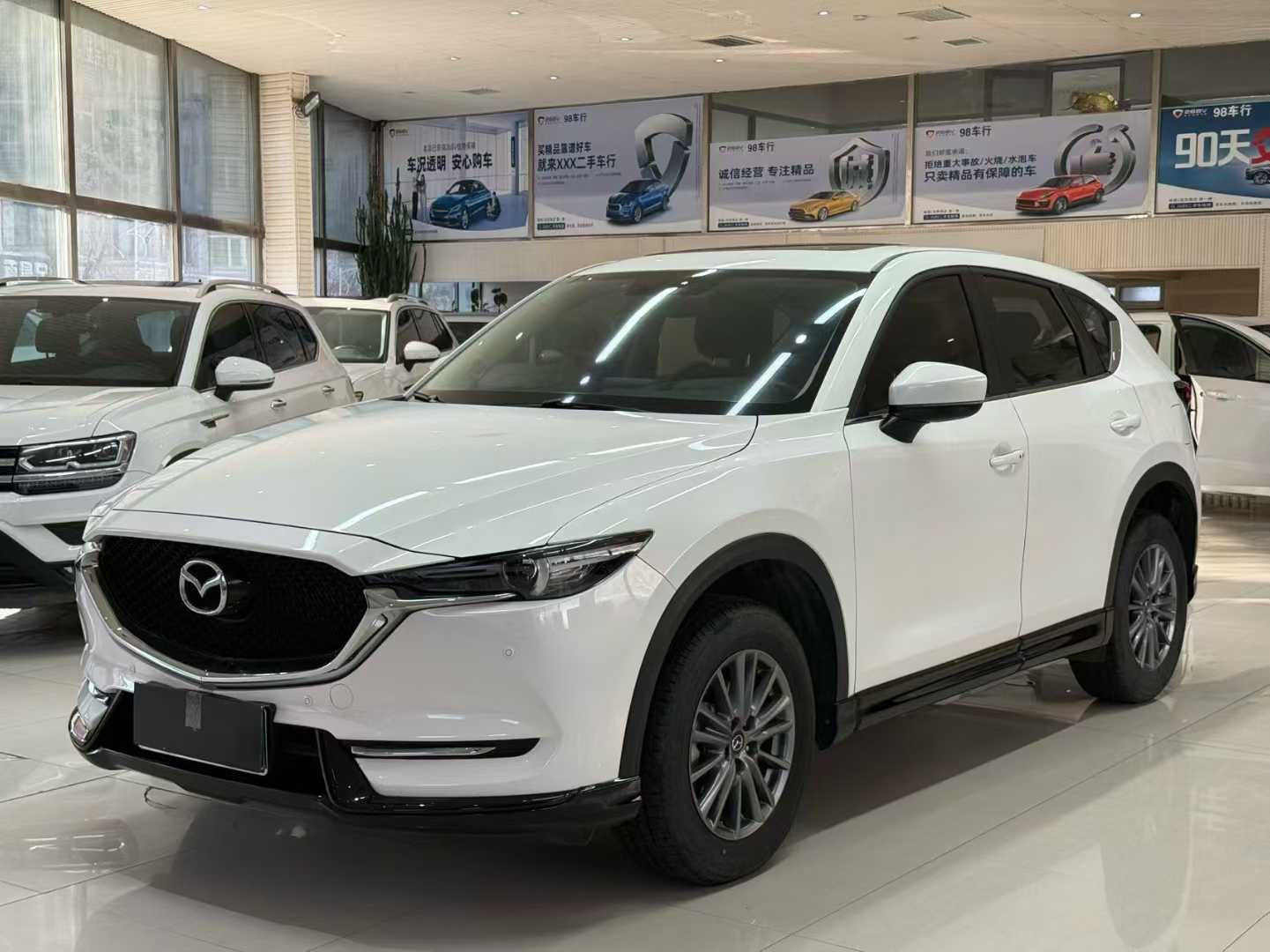
Identify the programme behind the badge
Ask whether certified means a Mazda manufacturer programme, a dealer warranty package, an auction grading report or a third-party mechanical inspection. Request the official programme name and the issuing dealer or organisation. Mazda publishes a US certified pre-owned programme, but its existence does not certify a China-sourced CX-5. A translated advert containing the word certified is not proof of enrolment. Record the VIN, issue date and original country on the supporting paperwork. If the seller cannot identify the programme, value the vehicle as an ordinary used candidate until the claim is resolved.
Read the certificate together with the exclusions
An inspection checklist can describe condition at a particular moment without establishing legal ownership, remaining warranty or export eligibility. Ask which tests were performed, who performed them and what was excluded. A tick against engine may mean a visual check rather than compression testing or internal examination. Review the whole-vehicle inspection scope and compare it with the claimed certification process. Keep diagnostic reports, measurements and photographs where they were part of the assessment. A certificate whose limitations are clear may be useful evidence; a polished cover page alone is not a substitute for the underlying findings.
Verify any warranty with its actual provider
Request the coverage terms applicable to the vehicle, owner and original market. Establish start date, mileage limits, covered components, deductibles where applicable, claim procedures and service obligations. Do not copy a current US warranty duration into a China-export quotation. Obtain a written response about destination support from the responsible provider, using the VIN and intended country. The warranty and recall support guide explains why campaign completion, manufacturer coverage and seller assistance are separate questions. Even a genuine domestic programme may be commercially unsuitable if claims require returning the car to its original market.
Inspect current condition regardless of the label
A certified car can accumulate mileage, damage or storage problems after its assessment. Check when the last inspection occurred and what happened subsequently. Request a current cold start, diagnostic scan and function test rather than assuming old evidence still applies. Compare tyre condition, brake measurements, body repairs and supplied keys with the certificate. For a remote purchase, use the VIN-linked inspection media brief. An independent inspection should disclose its commercial relationship with the seller and acknowledge untested areas. Neither certification nor independence guarantees that every concealed problem will be discovered.
Price usable benefits rather than a reassuring word
Compare two candidates on a consistent basis: current condition, delivered cost, confirmed repair needs and benefits that can actually be exercised. If one car has enforceable local coverage and the other does not, include the difference in the decision. If both would rely on paid destination repairs, a foreign certification premium may add little practical protection. Ask who pays labour, diagnostics, parts and transport for a claim. Avoid valuing roadside assistance or a replacement-car benefit abroad unless the written terms cover the intended location. Keep every promised service in the quotation, not only in a sales conversation. Request a revised quotation without the certification premium when the claimed benefit cannot be confirmed for the destination.
Approve a clear description in the contract
The final file should say exactly what is being supplied: a used vehicle with an identified inspection report, a named warranty where confirmed, and any genuine programme enrolment evidence. Do not accept blanket phrases such as globally certified when no issuing standard is specified. Reconcile the seller, contracting entity and VIN before payment. If certification cannot be verified, request corrected wording and price the remaining risk openly. The CX-5 buying guide provides the broader approval route. A well-documented ordinary used car can be preferable to an expensive certification claim whose promised protections stop at the border.
Decision record
Evidence checklist
- Named issuing programme and VIN
- Underlying assessment and test limitations
- Written warranty destination response
- Current condition after certification date
- Contract wording matching verified benefits
Buyer questions
Does an independent inspection make a CX-5 manufacturer certified?
No. It provides condition evidence within its scope; manufacturer programme enrolment must be verified separately.
Does a dealer photograph prove that a CX-5 is Mazda CPO?
No. A certification claim requires documentation for the actual offered VIN and programme.
Reference and inspection scope
The linked Mazda programme concerns the United States. It does not enrol a China-sourced candidate or establish transferable destination coverage. Obtain the actual VIN certificate and written provider terms.
Mazda US certified pre-owned programme: US scope, not China-stock certification
Verify the exact vehicle
Specifications vary by year and market. Match the VIN, vehicle documents, inspection findings and manufacturer service information before purchase.