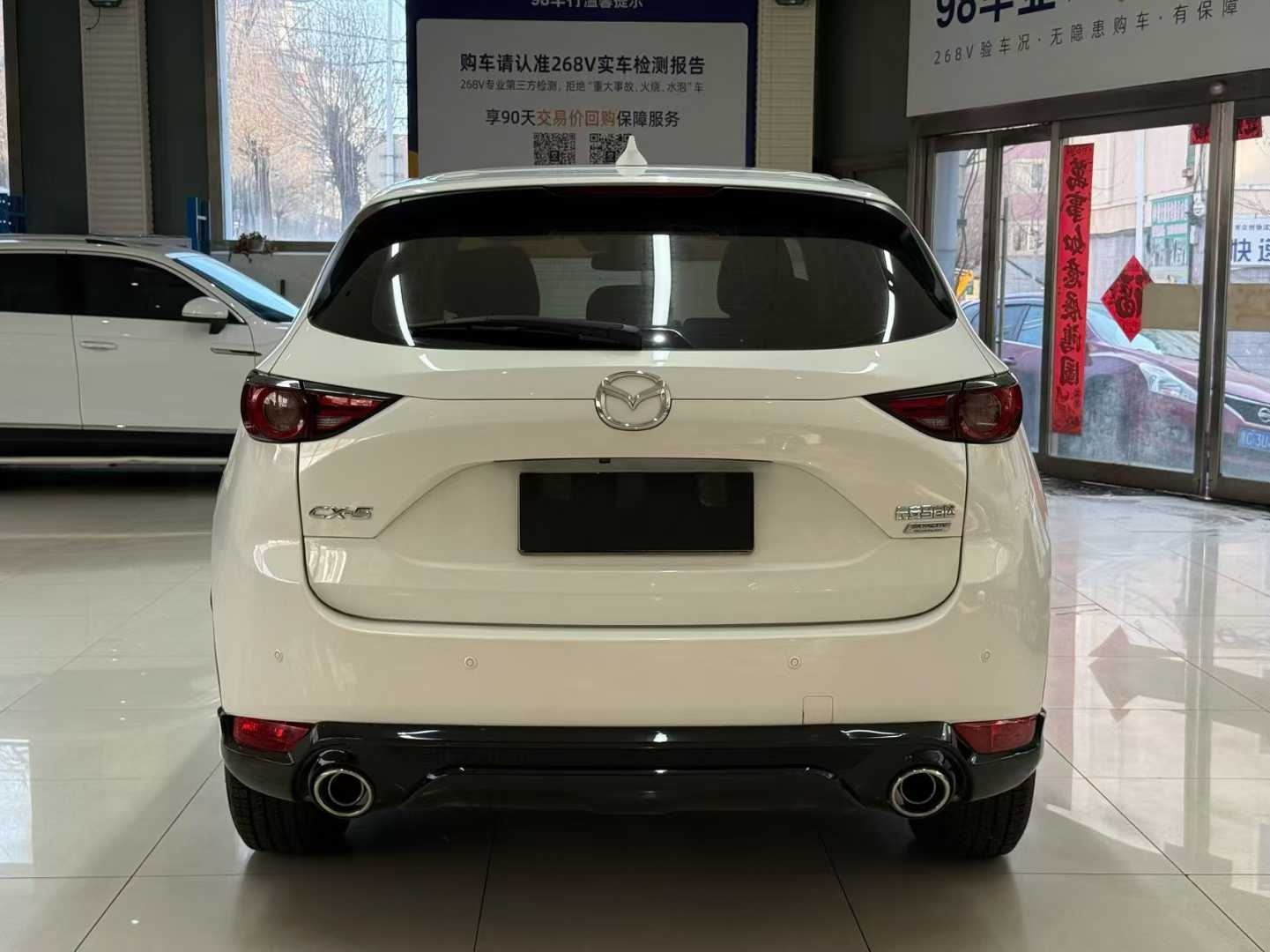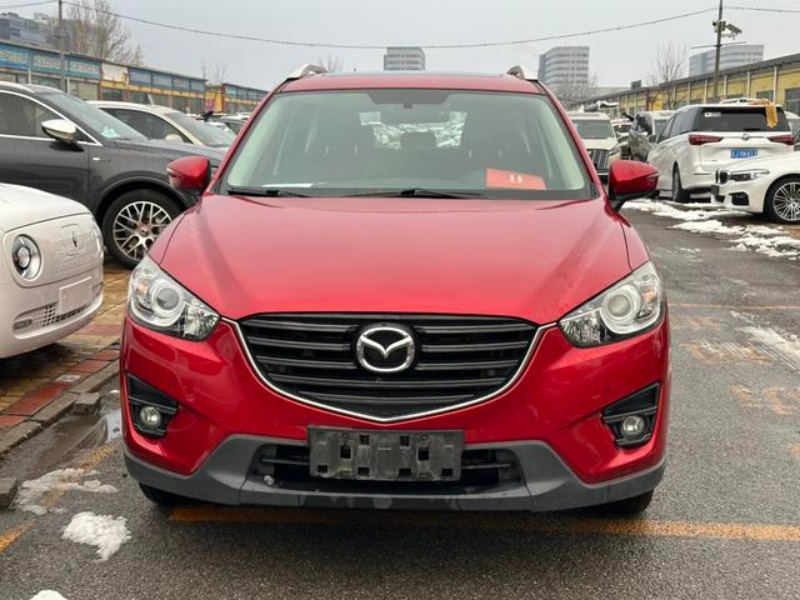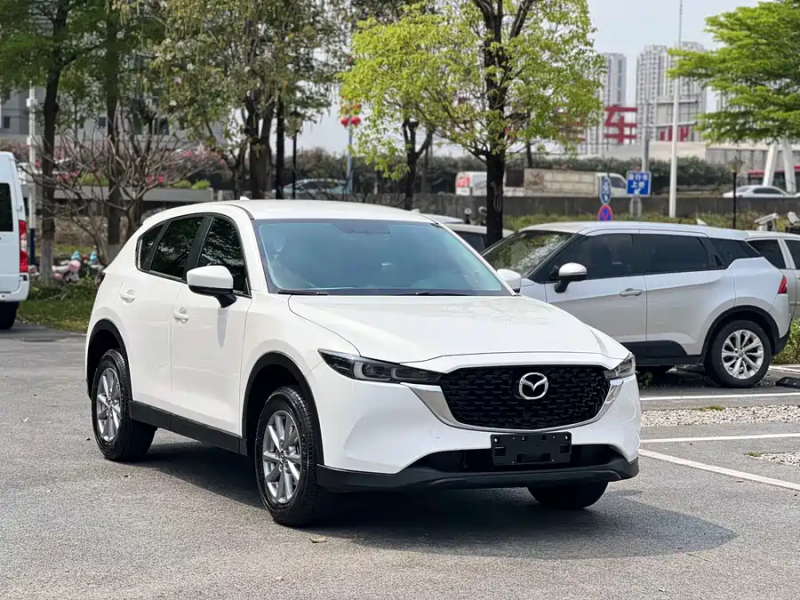
Keep the facelift claim attached to its original market
Mazda announced styling and driving-related changes for the US 2022 CX-5. That announcement supports a US-market reference, not a universal registration cutoff. For a Chinese candidate, request the applicable local brochure or build information and current photographs. Compare the front and rear assemblies, cabin and installed equipment without assuming a replacement bumper makes an older car a factory facelift. Use the generation and facelift guide to separate a revision within a generation from an entirely new vehicle. Ask the seller to correct an unsupported description before discussing a premium.
Turn the advertised upgrade into a feature-by-feature trial
Choose the additions that affect daily use: camera coverage, seat adjustment, climate functions, phone integration and lighting may matter more than exterior styling. Verify each fitted function on the actual candidate. A brochure can show optional equipment that the particular car lacks; a working switch can also conceal a partly functioning system. Record what was tested and under which conditions. The China-spec trim comparison helps structure this verification without translating foreign trim names. If a feature is important enough to justify extra payment, make successful operation part of the acceptance record.
Compare similar powertrains before judging refinement
Different engines, drivetrains, tyre types and wheel sizes can overwhelm a small model-year difference. Arrange a road trial on comparable roads and with similar tyre pressures set to the applicable placard. Record the tyre make, age and condition alongside any ride or noise impression. A worn earlier car is not a fair demonstration of the improvement over a properly prepared one. Check the gearbox, steering and braking as well as comfort. The wheel-size comparison provides a separate way to evaluate a configuration that can noticeably change the replacement budget and ride assessment.
Check that lower age has not disguised hard use
A newer registration can still belong to a rental, fleet or heavily repaired vehicle. Reconcile the owner history, service distances and cabin wear. Look for rapid mileage accumulation, poorly explained maintenance gaps and recently refreshed interiors, then ask questions rather than treating appearance as evidence of gentle use. Request an independent scan and structural assessment. Inspect safety equipment after body or glass work. The whole-car checklist remains necessary even when the car is several years younger. Clean paint and a recent registration do not establish a clean repair history.
Calculate the premium after near-term preparation
Put the earlier candidate and facelift candidate on the same delivered-cost basis. Include known tyres, brake work, fluid service, keys and any unsupported electronic features. Then isolate the remaining premium and list what it buys. Do not assign a fixed resale benefit merely because the lamps look newer. Ask whether the differences remove a real limitation for your passengers, route or destination workshop. When the facelift car uses almost the whole budget, leave room for a later diagnosis or transport change. A purchase that depends on zero unforeseen expenditure is more fragile than its age advantage suggests.
Distinguish a late second generation from the overseas redesign
A 2025 build, a 2026 registration and a 2026 overseas brochure can describe different situations. Check the actual generation before comparing cabin space or ordering accessories. The 2025 versus 2026 purchase comparison explains how to compare an identified outgoing car with the overseas third generation without claiming local availability. A seller must show which vehicle is being offered. If a delayed registration is being presented as a new design, request a corrected quotation. The relevant value lies in the car delivered, not the largest year number in the advert.
Approve only the improvements you can substantiate
List the needed features, delivered cost and remaining service obligations for each shortlisted vehicle. Choose the later facelift when its evidence, useful equipment and preparation exposure justify the difference. Choose the earlier car when the apparent upgrade adds little to the intended use or reduces the cash reserve too far. If two offers cannot be compared on the same basis, request clearer information instead of forcing a winner. Keep the quotation date and any condition-based adjustments together. An attractive facelift is a purchasing option, not a promise of lower repair bills or guaranteed future resale.
Decision record
Evidence checklist
- Facelift evidence for the original market
- Feature trial on the offered vehicle
- Comparable tyre and road-test conditions
- Preparation-adjusted price difference
- Cash reserve beyond purchase and freight
Buyer questions
Did every market update the CX-5 in the same year?
No. Confirm the local specification and production record rather than transferring a US launch date.
Does a later facelift guarantee fewer repairs?
No. Condition, use, repair quality and service history remain important.
Reference and inspection scope
The cited update concerns the United States. It does not establish China facelift timing or equipment. Use build-linked records and comparable real vehicles before assigning a price premium.
Verify the exact vehicle
Specifications vary by year and market. Match the VIN, vehicle documents, inspection findings and manufacturer service information before purchase.