Prove that the candidate is actually the car you want
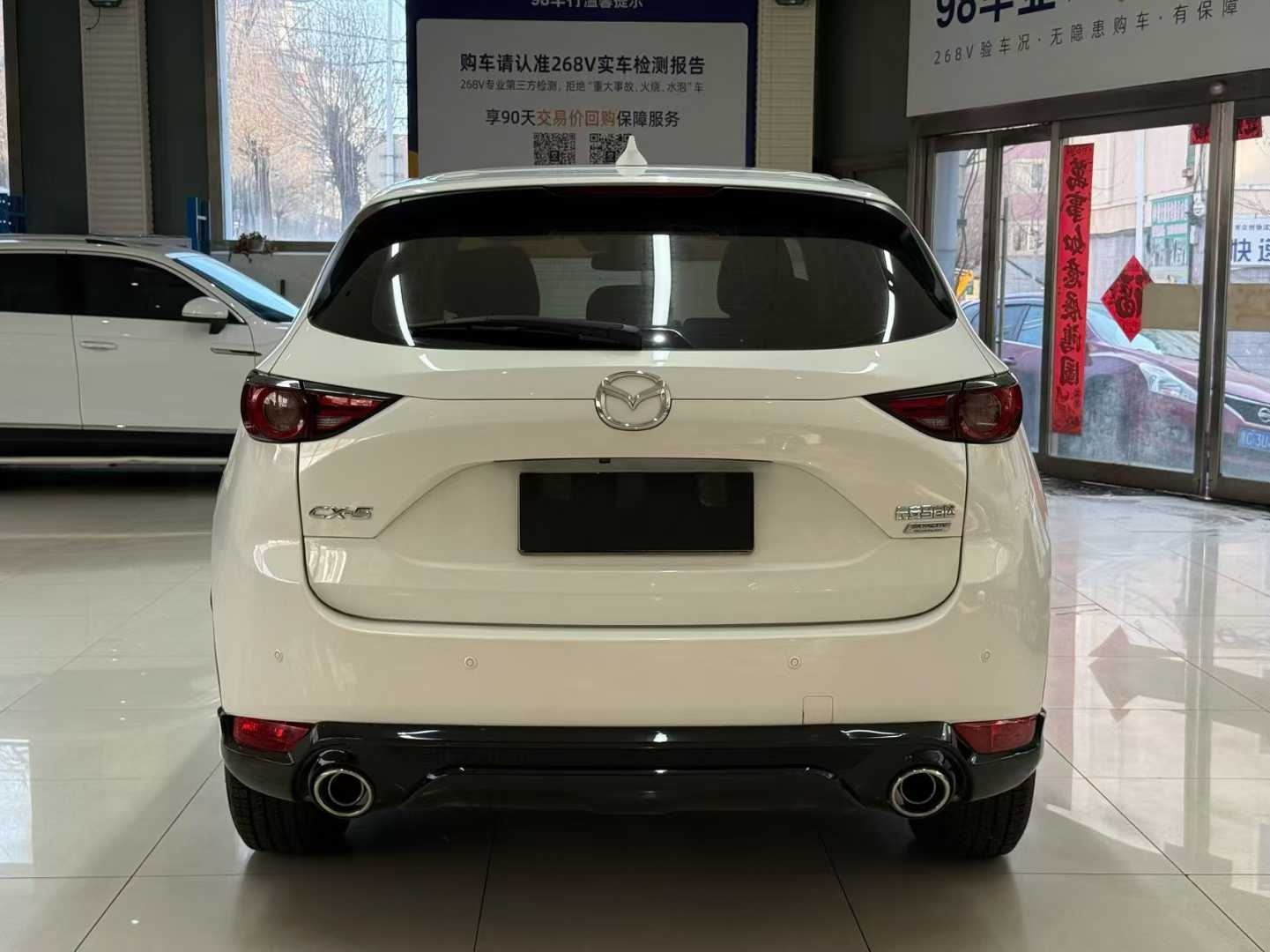
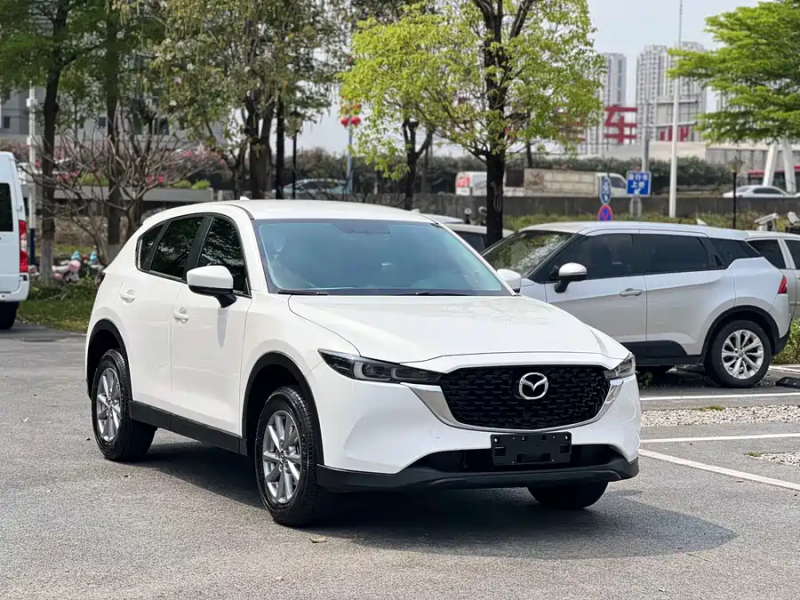
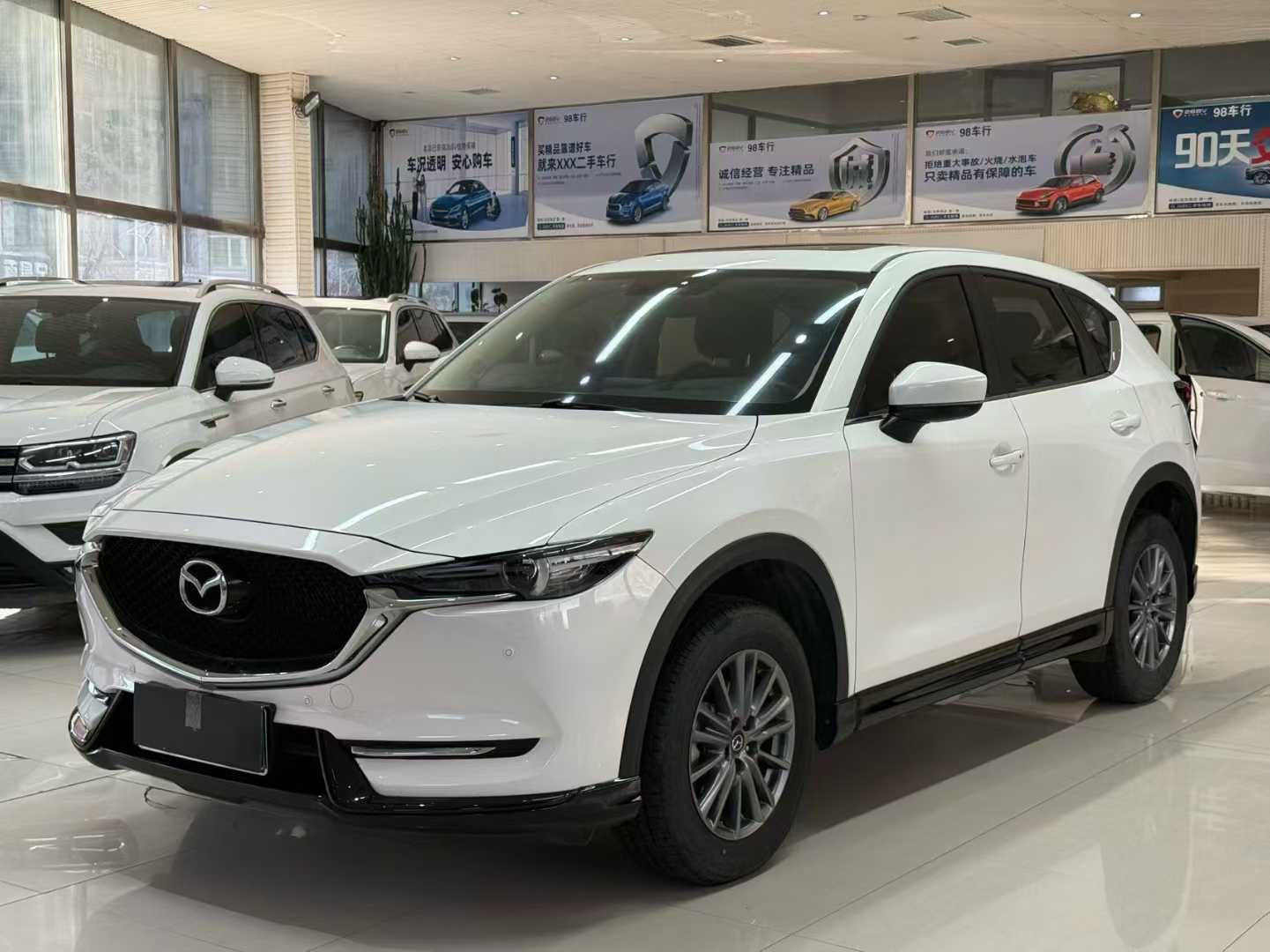
Request the production label, VIN, registration document and photographs of the front, rear and cabin. Compare them with the relevant original-market records. A first registration in 2017 can belong to an earlier build, and overseas model-year descriptions are not interchangeable with Chinese registration dates. Mazda’s US 2017 release identifies an all-new model for that market; it does not identify a particular Chinese vehicle. Start with the CX-5 generation guide, then keep the candidate’s build evidence beside the quote. Replacement exterior parts deserve investigation rather than being accepted as proof of a later specification.
Buy installed equipment rather than a translated badge
Photograph the actual screen, lamps, seat controls, camera views and driver-assistance switches. Make a list of essential features before comparing two offers. A foreign Touring or Grand Touring description should not be used to name a Chinese trim. Ask whether equipment is factory fitted, subsequently installed or simply advertised in error. For navigation and phone functions, arrange a trial with the intended phone and language. An expensive screen replacement may change the purchase calculation without making the whole car unsuitable. The connectivity checks distinguish everyday usable functions from unsupported regional services.
Read the service chronology as an age record
Look for invoices linked to the VIN, not a folder of unrelated receipts. Compare service dates, recorded distances and ownership changes with the odometer. Account for quiet periods: a low-mileage vehicle may have sat unused, travelled only short distances or received undocumented maintenance. None of these possibilities proves a fault, but each changes the inspection brief. Identify fluids and scheduled operations against the proper engine manual rather than a universal internet interval. Use the history reconciliation guide when records disagree. The aim is to understand what remains uncertain, not to award an automatic reliability score to a year.
Give the chassis a real first-year allowance
Have a qualified inspector assess tyres, brake measurements, bushes, dampers, wheel bearings and underbody condition. Ask for photographs of deterioration and distinguish urgent safety work from comfortable-to-defer cosmetic items. Compare all four tyre sizes and the wear pattern; an apparent bargain can need a complete matched set. Include alignment investigation if there is uneven wear or steering pull. On an AWD candidate, extend the assessment to its additional driveline components. A dated local repair estimate is more useful than guessing a fixed allowance from the odometer. Keep this allowance separate from freight and registration costs.
Road-test a genuine cold car and repeat when warm
Arrange the assessment before the seller starts the engine, where practical and safe. Record starting behaviour, warning lamps, idle and instrument readings without interpreting a brief video as a diagnosis. A permitted road test should include appropriate acceleration, steady driving, braking and parking manoeuvres, followed by a warm restart. Explain any hesitation, noise or warning with professional findings before agreeing a repair deduction. Use the automatic-transmission trial for the fitted gearbox. A recently cleared dashboard is not a substitute for a scan and a repeat test under the conditions that produced the complaint.
Compare the early KF against a newer alternative
Obtain the delivered quote for the early car and one realistic later candidate with the same essential engine and drivetrain. Add verified preparation to each quote. For an illustrative decision only, a lower purchase price accompanied by tyres, brake work and a screen repair may leave less saving than the advert suggests. Conversely, paying for a newer year can be wasteful if it does not improve the features you use. Compare the later facelift purchase route when the budget reaches it. Retain the early car only if its lower total exposure remains meaningful after the evidence review.
Write down what makes this particular purchase acceptable
Set approval conditions before transferring funds: confirmed generation, required equipment working, no unresolved structural concern, understood maintenance gaps and an affordable preparation plan. Specify which findings require rejection rather than a discount. The seller should identify any agreed work and provide a new test record afterwards. If an important record cannot be obtained, decide explicitly whether that uncertainty fits the budget. Do not describe a missing invoice as harmless simply because the engine currently sounds normal. The purchase file should let a later workshop understand the car without reconstructing the entire history from sales messages.
Decision record
Evidence checklist
- Production and registration dates reconciled
- Installed features photographed and tested
- Service chronology linked to the VIN
- Chassis and driveline findings costed
- Acceptance conditions recorded before payment
Buyer questions
Is every 2017-registered CX-5 a second-generation car?
No. Check production identity and the actual vehicle. Registration dates and market introductions differ.
Should I avoid the earliest KF vehicles automatically?
No. A year label is not a diagnosis. Compare documented condition, suitable equipment and total preparation cost.
Reference and inspection scope
The Mazda reference describes the US 2017 model. Establish a Chinese candidate’s generation and equipment separately. Inspection findings and repair estimates must come from the actual vehicle.
Verify the exact vehicle
Specifications vary by year and market. Match the VIN, vehicle documents, inspection findings and manufacturer service information before purchase.