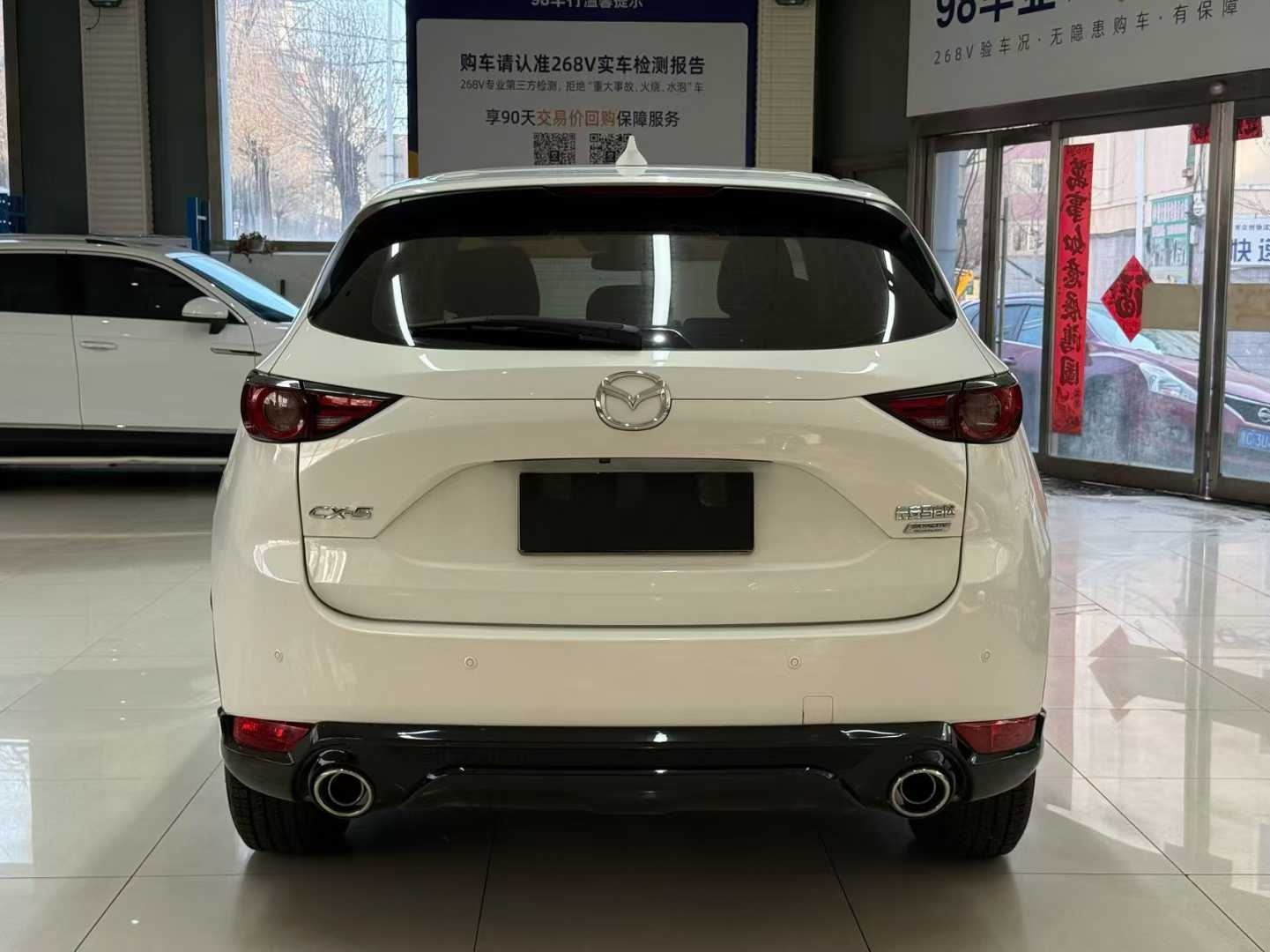
Identify two real specifications before comparing performance
Request the engine identity and original-market documentation for each candidate. A 2.5 badge alone does not prove whether the engine is turbocharged, and a foreign brochure should not identify a Chinese listing. Mazda’s US 2022 packaging release distinguishes the naturally aspirated and turbo alternatives for that market. Retain the applicable year and fuel context when using it. The specification evidence hierarchy remains more important than a seller’s abbreviated description. Do not compare a verified used car with an unpriced theoretical alternative and call the difference an upgrade cost.
Decide whether stronger response answers your driving needs
Describe your usual passenger load, gradients, overtaking environment and trip length. Arrange a legal road trial where the car can be assessed safely without aggressive acceleration. Record responsiveness and gearbox behaviour rather than asking for a maximum-speed demonstration. A stronger engine may be useful on demanding routes, while a simpler purchasing brief can favour a naturally aspirated candidate with better records. For a buyer mainly using steady paved-road journeys, the extra price may be difficult to recover as practical value. Compare the complete car, including tyres and drivetrain, before attributing every driving impression to turbocharging.
Check fuel suitability before valuing an advertised output
Mazda’s US turbo references distinguish output according to the stated fuel grade. That is a market-specific performance context, not permission to translate pump numbers directly between countries. Obtain the actual vehicle’s fuel instruction and determine whether the destination uses RON or AKI. The fuel-grade guide explains the distinction. Include the price and availability of suitable fuel in the budget. Do not assume the highest advertised figure applies to the fuel you intend to use, or recommend additives as an automatic solution to an unsupported local fuel supply.
Make mechanical inspection specific to the offered engine
Both candidates need a genuine cold start, scan, leak assessment and appropriate road test. A turbo candidate also requires an inspector familiar with its intake, boost-control, lubrication and cooling arrangement. Ask what can be verified externally and what would require further diagnosis. Review oil and coolant history, previous repairs and any relevant manufacturer campaign for the actual VIN. The oil-consumption evidence review is useful when a seller reports top-ups. A clean dashboard after codes were cleared cannot establish that either engine is healthy.
Price support, not a presumed reliability ranking
Ask a destination workshop whether it supports each exact engine and can obtain applicable diagnostic information and replacement parts. Obtain estimates for known preparation, not a made-up turbo failure allowance. Keep unconfirmed large-repair exposure visible as uncertainty rather than predicting that every turbo will need work. A well-supported turbo car can be more practical than a poorly documented naturally aspirated import. Conversely, an engine that is rare locally may turn an otherwise minor diagnosis into a long delay. The parts identity guide helps establish this supply route before purchase.
Compare three years of spending with a usable reserve
Add vehicle acquisition, preparation, transport, routine maintenance and route-based fuel estimates for the same ownership period. Include an exit-value range rather than a guaranteed resale premium for the stronger engine. Use two fuel-price scenarios if the choice depends heavily on operating expense. The three-year ownership worksheet keeps the comparison consistent. Do not use a larger purchase budget simply because the turbo test drive felt faster. After allocating the premium, retain funds for diagnosis and service that were not part of the seller’s preparation agreement.
Set the decision around evidence and actual benefit
The naturally aspirated option is attractive when it meets the route, offers a sound condition record and has an accessible maintenance path. The turbo option is worth investigating when its response matters and its identity, history, fuel suitability and support are established. Reject either candidate if unexplained symptoms remain or if its claimed specification cannot be verified. A discount should not replace a safety or mechanical assessment. Write the reasons for choosing one offered VIN rather than declaring an engine type universally good or bad. That makes the purchase more defensible when prices or available cars change.
Decision record
Evidence checklist
- Engine identity and original market
- Destination fuel-rating system
- Cold and warm inspection evidence
- Workshop support for the exact engine
- Condition-adjusted delivered quotations
Buyer questions
Is the turbo CX-5 automatically the better purchase?
No. Useful performance, documented condition, local support and total cost must justify the premium.
Does an overseas turbo brochure prove China-stock availability?
No. Availability requires a current identified vehicle and a specific offer.
Reference and inspection scope
This reference identifies US-market alternatives. It is not a China stock statement or a failure-rate study. Match the engine, fuel instructions and service information to the actual offered vehicle.
Verify the exact vehicle
Specifications vary by year and market. Match the VIN, vehicle documents, inspection findings and manufacturer service information before purchase.